


Brazilian Serie A sees 33% drop in betting shirt sponsors as new financial rules take effect, writes Leonardo Biazzi
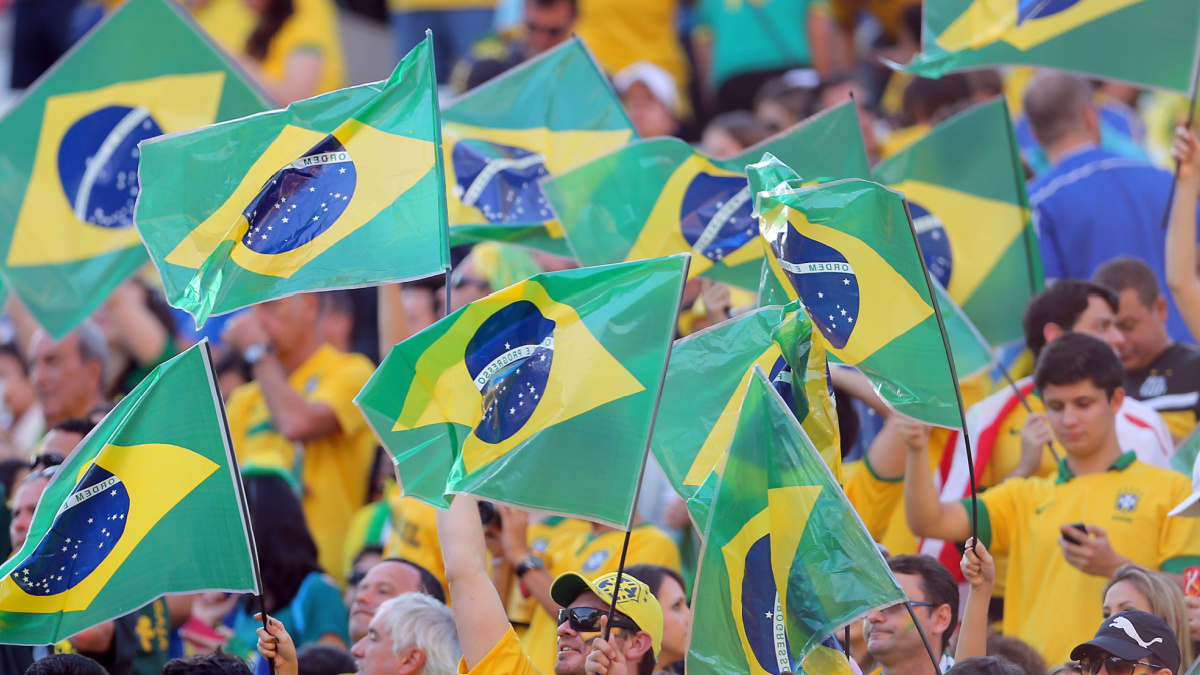
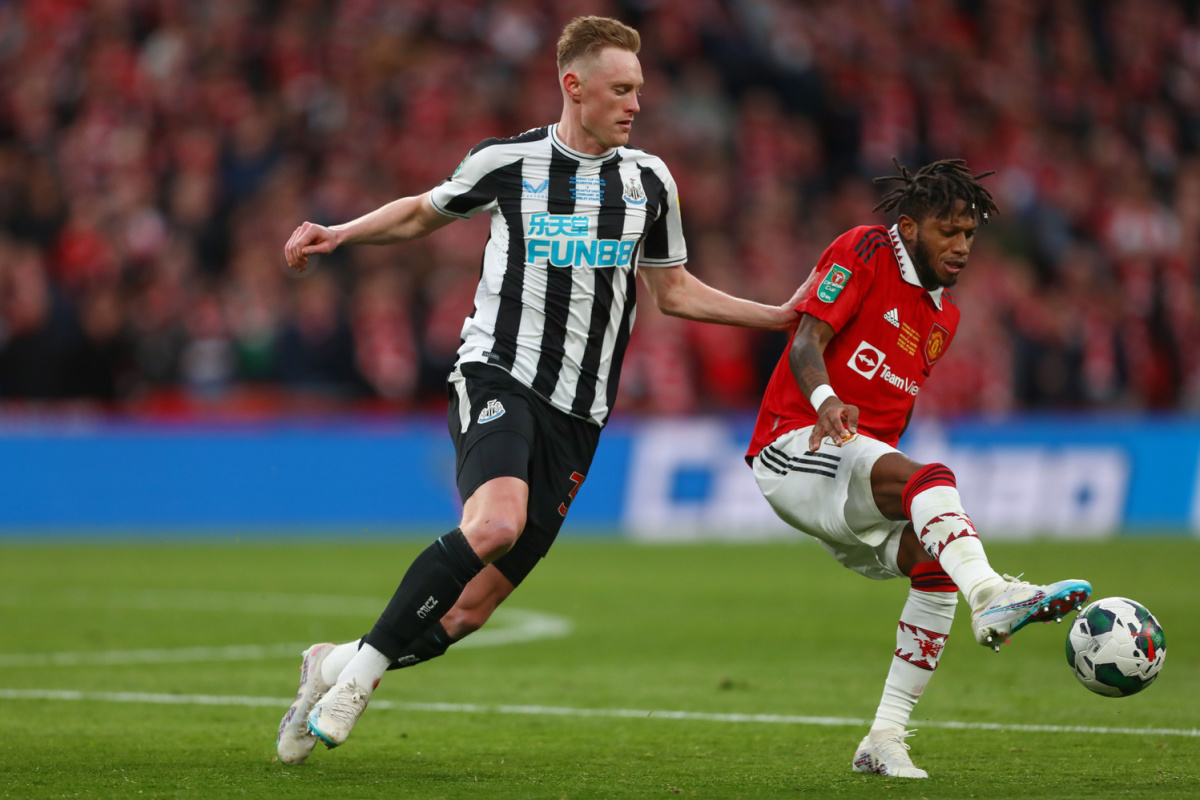
The 2026 Campeonato Brasileiro Série A (Brasileirão Série A) kicked off on January 29, and many football fans noticed a significant drop in the number of clubs featuring a betting company as their main shirt sponsor. In fact, so far in 2026, only 12 of the 20 Série A teams have a master sponsorship deal with a betting operator — a 33% decrease compared to last year’s total of 18.
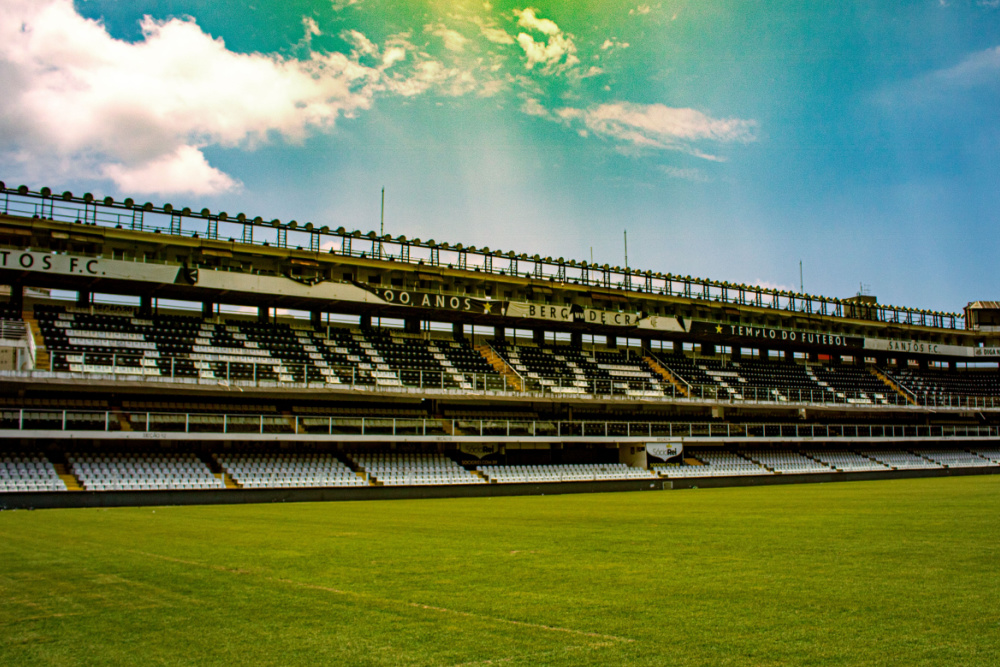
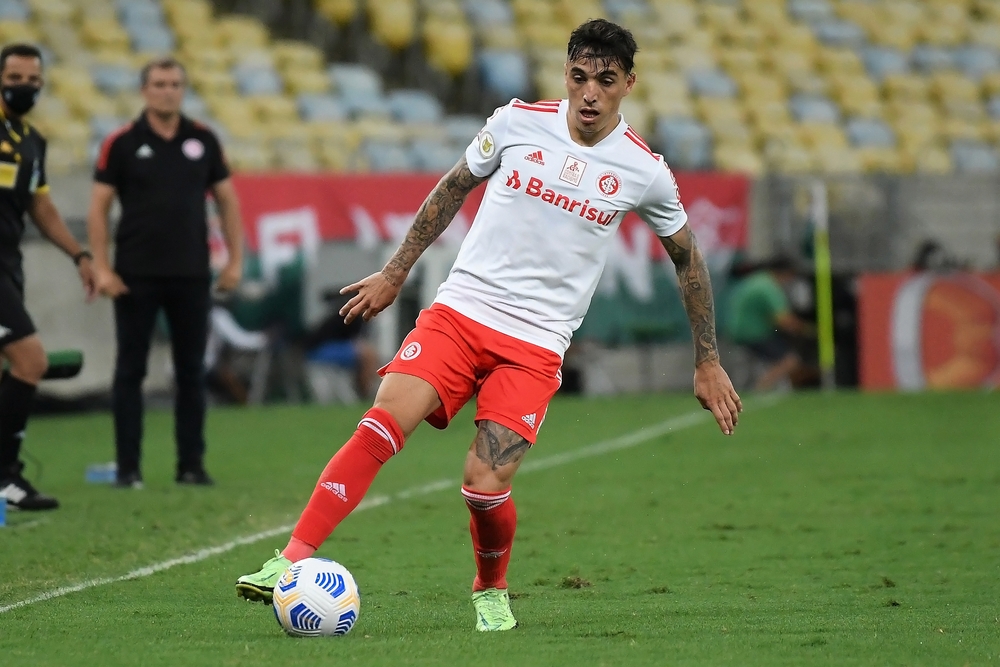
Bahia, Coritiba, Grêmio, Internacional, Santos and Vasco da Gama are among the clubs that terminated or chose not to renew their master sponsorship agreements and are still searching for new partners. Red Bull Bragantino and Mirassol, meanwhile, opted to display the Red Bull and Guaraná Poty brands, respectively, in the main space on their shirts.
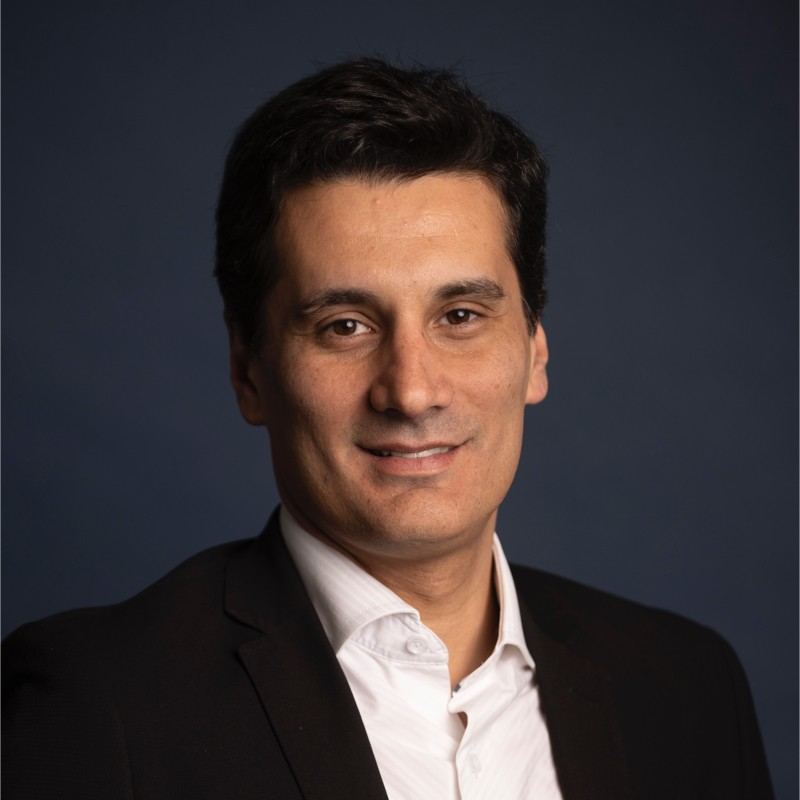
Although many fans interpreted this shift as an exodus, Michel Fauze Mattar, a professor at FIA Business School, views the situation as a “sector adjustment.”
“I don’t see it as an exodus, but rather as a sector adjustment. The temporary absence of master sponsors is the result of a combination of factors: saturation of betting brands in football, changes in the regulatory environment that increased costs and risks for these companies, and a market repricing after an artificially inflated cycle,” Mattar told Insider Sport‘s sister publication SBC Notícias Brasil.
How Brasileirão clubs can adapt to this new landscape
Many supporters are concerned about how clubs will replace the revenue previously generated by betting sponsorships, should the industry decide to scale back investment – especially given that many of these deals were historic in size.
In recent years, betting companies aggressively pursued master sponsorships in Brazilian football, paying significantly more than other sectors had offered. This naturally boosted club revenues, giving teams more resources to invest in new signings.
According to Mattar, if the betting industry does reduce its investment in Brazilian football, clubs will need to adjust: “In this scenario, clubs will naturally have to recalibrate their expectations and operate in a more rational market, diversifying sponsors, expanding commercial packages, and reducing dependence on a single master contract. This process must be accompanied by greater financial discipline and cost control, as financial fair play limits spending that is disconnected from recurring revenue.”
New financial fair play rules will force clubs to spend less
Although many Brazilian clubs have accumulated debt over the past decades and prioritised player spending over balancing their books, that practice is now nearing its end.
This year marks the implementation of the new financial fair play mechanism created by the Brazilian Football Confederation (CBF), known as the Brazilian Football Financial Sustainability System (SSF). While the harshest penalties – including points deductions and even relegation – are only scheduled to begin in 2028, debts incurred before 2026 must be settled by November of this year.
Mattar says clubs will no longer be able to avoid spending cuts: “Financial fair play requires clubs to integrate the generation of new revenue with efficient expense management. It encourages more sophisticated monetisation of fan relationships, better use of media, content and owned assets, expansion into new markets (brand internationalisation), and greater efficiency in youth development — all while imposing strict cost controls, especially on wages.”
He added: “Financial sustainability now becomes a regulatory requirement for sporting competitiveness, not a strategic choice or business decision.”
This article first appeared in SBC Noticias Brasil on February 2
Michel Fauze Mattar holds a Bachelor’s degree in Sport and a Master’s in Administration from the University of São Paulo (USP), as well as an MBA in Marketing from FIA Business School. He has more than 20 years of experience in sports management and specialises in the management of sports institutions, governance, strategic planning, sports marketing, marketing communication tools and sponsorship management. His career includes roles at the São Paulo Football Federation (FPF), the Brazilian Football Confederation (CBF), Grêmio Barueri and Futebol Tour.