







ITV’s makes history in the UK by introducing picture-in-picture adverts during Six Nations games, though experts say its a response to subscription platforms rather than green.
ITV has announced plans to trial picture-in-picture ads during the men’s Six Nations, leading to UK sports fans worrying about the future of broadcasting in the region.
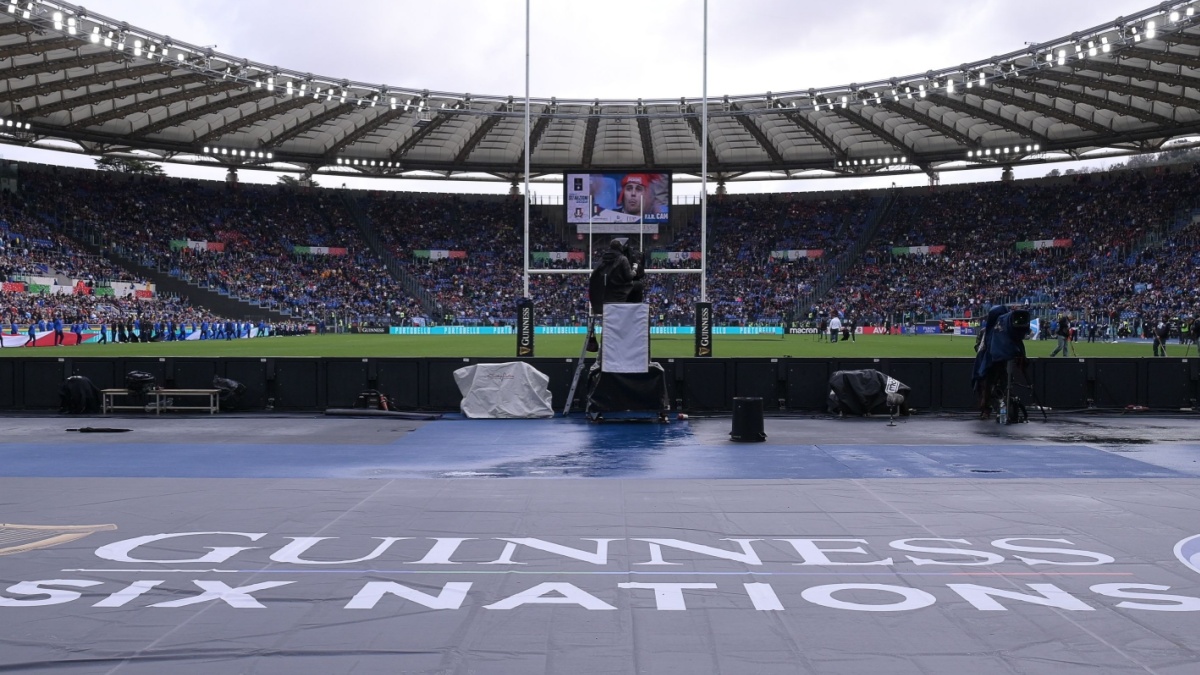
The Six Nations tournament kicks off tonight (February 5) with France taking on Ireland at the Stade de France in Saint-Denis. Viewers tuning in to the first match on ITV will see a UK advertising first, with picture-in-picture ads displayed on screen during the game.
ITV revealed on February 4 that Samsung and Virgin Atlantic will be the first companies to participate in the experiment. The adverts will appear once in each half during natural breaks in play, such as before a scrum.
Samsung has linked its advert for the Galaxy Fold Z7 to the sport by reportedly showing a group of fans watching live rugby together on their phones and asking, “can your phone make you feel this close?” Meanwhile, Virgin Atlantic’s advert shows “the viewer where the airline can take you,” according to an ITV press release.
“At ITV throughout 2026 we’re bringing the most exciting advertising opportunities of the year to brands, live, free-to-air sport on a scale we’ve never seen before,” said Mark Trinder, ITV Director of Commercial Sales and Partnerships.
“I’m delighted to welcome Samsung and Virgin Atlantic as our first partners for the new picture-in-picture offering, which is sure to be a high-attention format.”
Just the Six Nations?
As soon as fans became aware of the plan, concerns and complaints began to surface. One user on X, @Rory_Talks_Ball, wrote: “Catastrophic for the future of sports broadcasting.”
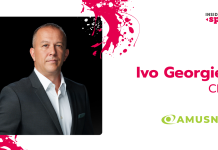
The Premier League is one where supporters are particularly concerned, but Ed Abis, CEO of Dizplai, tells Insider Sport, the league is unlikely to follow soon.

“Not immediately for the Premier League, but it’s inevitable somewhere. I don’t think the question is whether split-screen ads become industry standard, it’s where they work without breaking the viewing experience,” says Abis.
He explains rugby is better suited to this strategy because it has much more “natural dead” time, making the ads tolerable, adding “Football’s far trickier because the dead time is tactical positioning that matters.”
The sports most likely to see this approach are those with longer natural breaks, such as cricket, tennis, and possibly NFL coverage, if ITV proves that the commercial model works and does not hurt viewing figures.
Regarding the Premier League, he says: “The rights are too valuable and too competitive for broadcasters to voluntarily introduce friction points that drive audiences elsewhere. That said, if linear ad revenue keeps declining at the current rate, renegotiating broadcast terms to allow in-game inventory becomes a commercial necessity rather than an experiment.”
Why make the change?
Picture-in-picture advertising is common in the US and has become a standard feature of many sports broadcasts. It is beneficial because it increases the amount of advertising inventory, bringing in more revenue.
Abis explains this approach by ITV is a response to the struggle of traditional ad breaks to cover the cost of premium content in a market where subscription services such as Netflix and Amazon are aggressively entering the space, particularly in combat sports.
“The strategic motivation is survival of free-to-air sport. Without new commercial models, marquee tournaments migrate behind paywalls,” he adds. “This isn’t about greed, it’s about making the unit economics of free-to-air broadcasting actually work in an attention economy where rights costs keep climbing and linear advertising keeps declining.
“Whilst the fans are saying they don’t like it, I think they’ll quickly get used to it and it will become the norm, as long as it doesn’t interfere with the game.”