















The latest financial results from Manchester United, West Ham United, Arsenal and Liverpool once again reveal modern football’s balancing act between record income and rising financial strain.
Last week, UEFA released financial details for the 2024/25 season without warning, leading to a lot of attention on Chelsea‘s record pre-tax loss of £355m ($475.17m), as well as Tottenham Hotspur and Aston Villa’s financial struggles.
While those clubs have yet to release full accounts for the year, football finance enthusiasts don’t have to wait for numbers to feast on.
Manchester United, West Ham United, Arsenal and Liverpool have all published financial results, revealing a mix of record revenues, historic losses and successful commercial strategies.
Manchester United looks good on the surface
Manchester United is currently on an unbeaten run in the Premier League under interim Head Coach Michael Carrick. Just as fans have something to cheer for on the pitch, executives have reasons to celebrate off it.
United returned to operating profitability in the first half of fiscal 2026, posting an operating profit of £32.6m, a significant rise from a £3.9m loss in the same period last year. Adjusted EBITDA rose 9.2% to £102.9m, despite total revenue falling to £190.3m due to the men’s first team not qualifying for any UEFA competitions.
Chief Executive Omar Berrada said the figures are down to the club’s “off-pitch transformation” and a commitment to a “football first” approach, with continued investment in both the men’s and women’s teams.
One of the most notable aspects of United’s financial results is how the club has maximised matchday revenue, despite facing a lighter home schedule this season, a trend also evident in the club’s FY2024 accounts.
Even with three fewer home European games and two fewer domestic cup matches than last year, total matchday income only fell by 3%, suggesting revenue per home game has risen by around £2m.
In addition to raising ticket prices, the club seems to be boosting revenue through hospitality packages and premium seating. Season ticket numbers are down by 3,000 since 2023, though it’s unclear how many of these have been converted into higher-priced hospitality tickets.
Additionally, the financials show the impact of cost-cutting measures introduced since Sir Jim Ratcliffe became a minority owner in February 2024, which have led to a reduction in operating expenses. Adjusted EBITDA for the second quarter reached £76m, up from £70.5m in the same quarter last year.
However, beneath the surface, Manchester United’s debt problem rages on. The club drew an additional £25m on its rolling credit facility, bringing the total to £295.7m, while total liabilities, including outstanding transfer fees and legacy debt from the Glazer takeover, exceed £1.29bn.
West Ham United is preparing for the worst
West Ham United posted a huge net loss of £104.2m for the 2024/25 season, a significant swing from a £57.2m profit the previous year. The club attributed the decline to a disappointing 14th-place Premier League finish and no European competition revenue, as well as a drop in player sales.
Turnover fell to £227.6m, down £42.1m from 2023/24, with broadcasting revenue dropping to £132.4m from £167.0m. Matchday income declined to £39.3m, retail revenue fell £2.5m to £13.7m, while commercial income increased slightly to £42.2m.
The club has a £40m overdraft facility with Barclays and a long-term £124m financing facility with Rights and Media Funding, repayable in 2030. However, forecasts for the 2025/26 season assume the need for mitigating actions, most notably player sales and shareholder support, to cover a projected cash shortfall in summer 2026.
The board highlighted relegation as a major business risk, noting more substantial measures would be needed if the club drops out of the Premier League.
While the losses are record-breaking for West Ham, UEFA data released last week suggests Chelsea made an even larger financial loss of £355m in 2024/25, though the club is yet to publish its full accounts.
Arsenal celebrates commercial wins
Arsenal has filed its accounts for the year ended 31 May 2025, reporting a net loss of £1.4m, which is an improvement from the £17.7m loss recorded in 2023/24.
However, the standout story is revenue growth, with the club generating a record £691m in revenue, up from £616.6m the previous year. Arsenal attributed this to strong performances in both the UEFA Champions League, where the men’s team reached the semi-finals, and the Premier League, where Arsenal finished second.
The football-related income rose to £690.3m from £613.5m the prior year, with matchday revenue climbing to £153.9m from £131.7m, helped by 30 home fixtures across all competitions and consistently high average attendance of 60,047.
Retail revenue surged 27%, broadcasting revenue increased to £272.8m from £262.3m in 2024 and commercial income jumped to £263.2m from £218.3m the year prior, which was boosted by a headline deal with Adidas and an expanded portfolio of secondary partnerships.
Arsenal has recently placed strong emphasis on its commercial strategy. Chief Commercial Officer Juliet Slot told an audience last year at SportsPro Live in London that the club is evolving into a “global brand that plays football” rather than just a football club.
She spoke about Arsenal’s focus on fan experience across digital and physical platforms, describing the organisation as a retailer, events business, experiential brand and ticketing platform.
Liverpool tops two different leagues
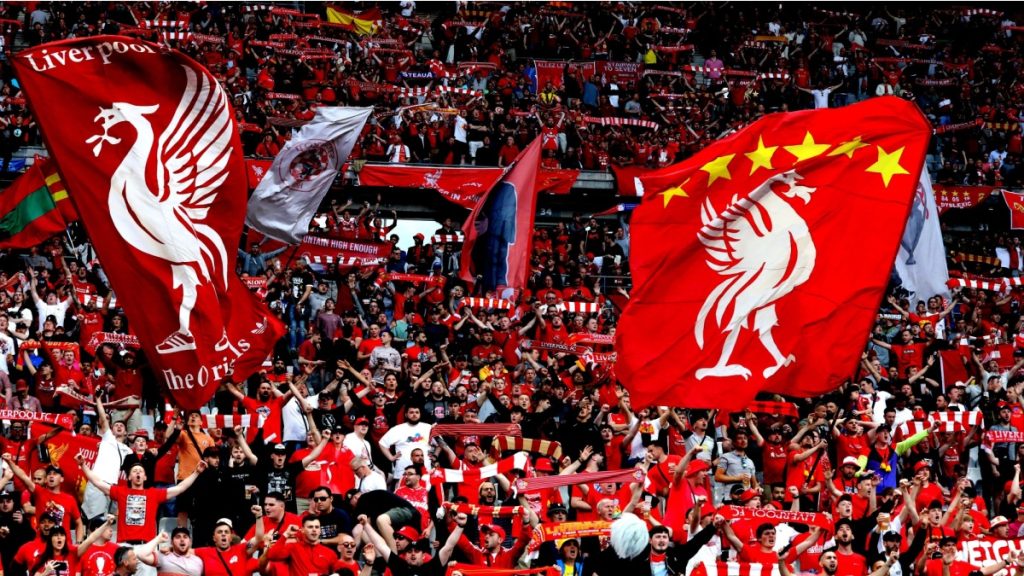
Liverpool FC has filed its annual accounts for the year ended 31 May 2025, in which the club won its 20th league title.
Like Arsenal, Liverpool posted record revenues of £703m, making it the highest-placed Premier League club in the Deloitte Football Money League, as highlighted on the club’s website.
Looking at how the team made this happen, media revenue increased £60m to £264m, while matchday revenue rose £14m to £116m, which was helped by the first full season operating the new Anfield Road Stand.
Commercial revenue also saw a growth of £15m to £323m due to partnerships with Japan Airlines, Engelbert Strauss, Lucozade, and Husqvarna, alongside a 10-year renewal with Carlsberg. Retail and e-commerce performed strongly, with the official LFC Store app contributing almost a quarter of all online revenue, and active weekly users rising 15%.
Despite the record revenue, costs also saw an increase, with administrative expenses rising to £657m, while staff costs increased £42m to £428m. Due to these costs, the club ended the year with a profit after tax of £8m.
Liverpool has been clear in its reporting that improving digital engagement has played a key role. Liverpool generated 1.7 billion social media engagements over the year, with its 20th league title win producing a record 62 million engagements in 24 hours.
Liverpool was also the most-watched Premier League club during the 2024/25 season, reaching a cumulative global TV audience of 588 million, and recorded 87 million visits to its official website.
Insider Sport spoke to Matthew Quinn, VP of Media at Liverpool FC, in October 2025 about the AI in this media strategy. Quinn explained AI was being used to scan, tag and categorise nearly a century’s worth of archive footage, which could then be easily used to engage with fans on social media.
“The 2024-25 season is a great example of how record revenues can go hand-in-hand with on-pitch success,” said Jenny Beacham, Chief Financial Officer at Liverpool FC.
“The challenge ahead is to continue growth through partnerships, retail, and global fan engagement, while managing rising costs and investing in the playing squads. We remain fully committed to financial sustainability and providing the best platform for success on and off the pitch for our supporters worldwide.”