


Bearman’s Suzuka crash has raised huge questions about the risks of high closing speeds under F1’s new regulations.
The FIA has started reviewing Formula 1’s (F1) 2026 regulations after a crash involving Haas driver Ollie Bearman at the Japanese Grand Prix.
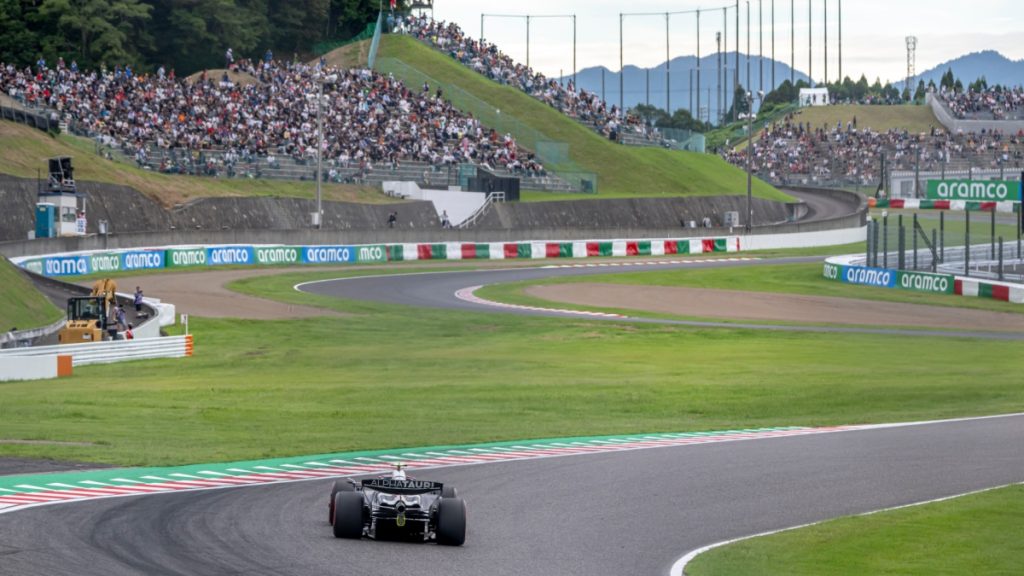
During the race on 29 March 2026, Bearman suffered a heavy impact at Suzuka while attempting to overtake Alpine’s Franco Colapinto.
The British driver approached with a closing speed of around 50kph, a result of the sport’s new energy deployment rules. Forced onto the grass, he lost control, hit trackside boards and slammed into the barrier at approximately 190mph, registering a 50G impact.
Bearman walked away from the crash and later received medical checks, which confirmed no fractures. However, the severity of the incident led to a safety car and scrutiny of F1’s new rules.
In a statement, the FIA acknowledged the role of speed differentials, noting the “contribution of high closing speeds” in the crash and confirmed a review of the regulations is now underway.
The governing body added that “a number of meetings are therefore scheduled in April” to assess how the new rules are operating and whether any changes are required.
The rule in question
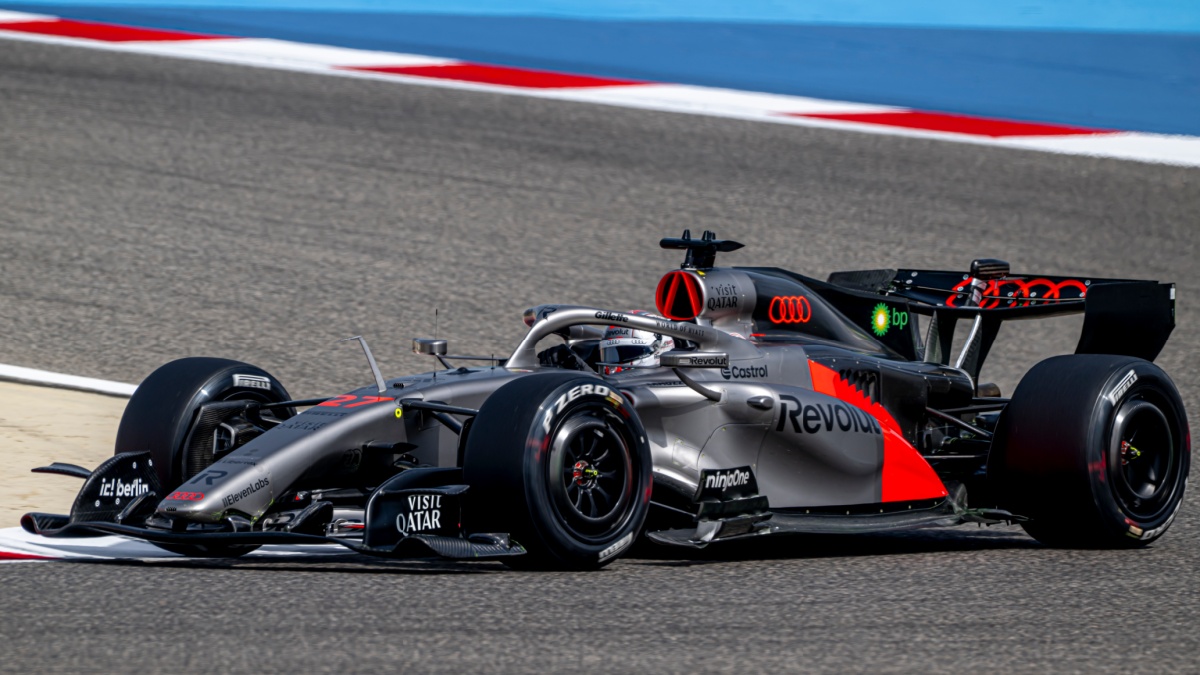
The 2026 season has seen a plethora of new developments to F1, with teams like Audi and Cadillac joining the grid as entrants and fresh regulations, such as renewable fuel mandates, coming into play.
However, the weekend’s events have put the new power unit regulations under the microscope.
These rules have changed how cars use and recover energy, with the 2026 regulations requiring a 50‑50 split between internal combustion and electrical power.
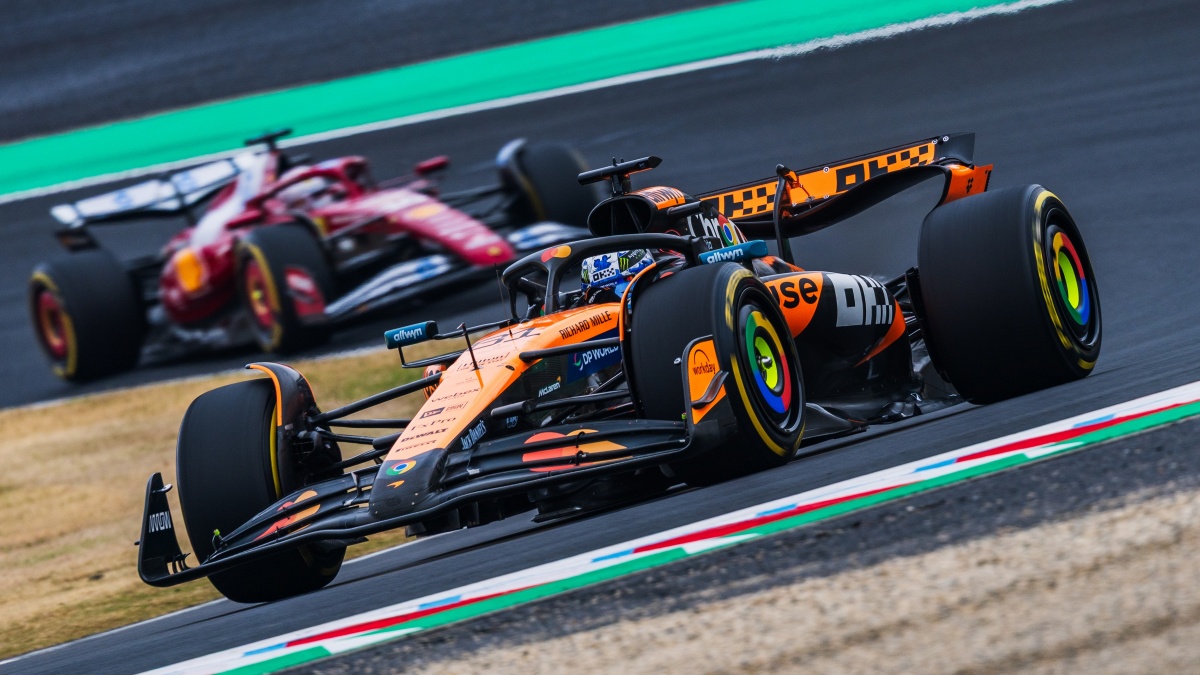
Drivers must manage energy more aggressively, as cars harvesting energy can slow dramatically while others in full deployment can close gaps at speeds of up to 50–60 kph, creating unpredictable differentials on straights.
Drivers have already voiced concerns about aggressive energy harvesting at the end of straights, which can cause sudden slowdowns in high-speed sections.
The FIA has stressed these regulations were introduced with adjustable energy management parameters and that a structured review was always planned once real-world data became available.
“It has been the consistent position of all stakeholders that a structured review would take place after the opening phase of the season, to allow for sufficient data to be gathered and analysed,” the FIA said.
“Any potential adjustments, particularly those related to energy management, require careful simulation and detailed analysis.”
Was the crash predictable?
Stakeholders, including drivers, have said the risks linked to these speed differentials were flagged as potential issues even before the season began.
“We’ve been warning them [F1 and the FIA] about this happening,” said Carlos Sainz, a GPDA Director. “These kinds of closing speeds and these kinds of accidents were always going to happen, and I’m not very happy with what we’ve had up until now.
“Hopefully we come up with a better solution that doesn’t create these massive closing speeds, and a safer way of going racing.”

Other drivers highlighted the learning curve created by the new energy systems, with McLaren’s Oscar Piastri in a post race press conference describing how unpredictable speed differences had already led to near misses.
“I had a pretty close call in free practice… he [Nico Hülkenberg] caught me about three times as quick as I expected,” he said. “Whilst we’re learning that, unfortunately things like this are probably going to happen.”
Ferrari’s Charles Leclerc added that drivers may need to adapt their approach under the new rules, particularly when defending, as speed gaps can be much larger than in previous eras.
However, he also suggested the current balance is not entirely negative, noting while qualifying may need adjustments, the racing itself could improve as teams and drivers gain experience.