


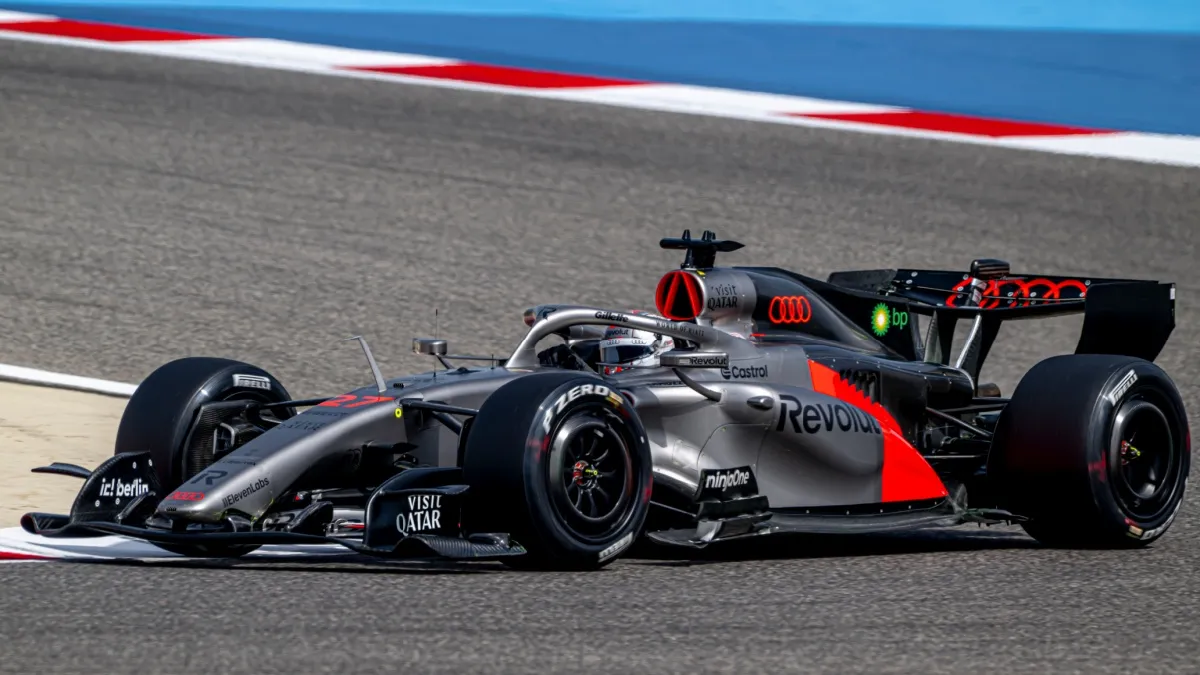
The FIA’s sustainable fuel mandate forced bp to start over on Audi’s power unit. Luc Jolly and Gabriel Bortoleto on what that took – and what’s left to find
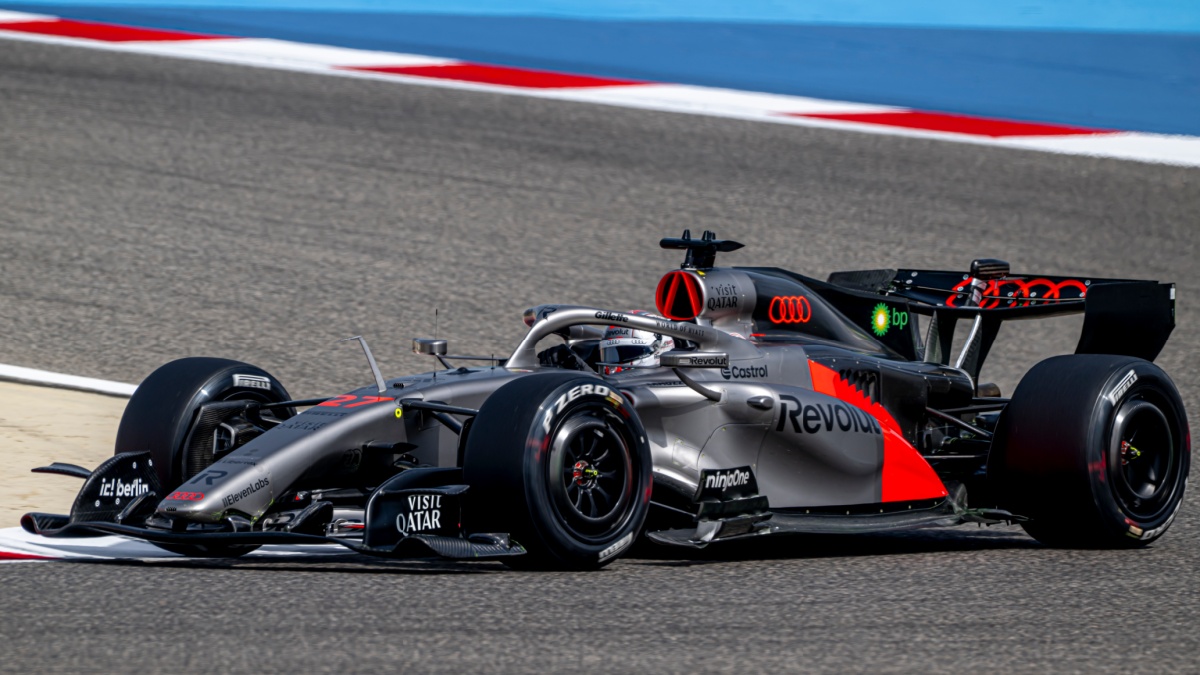
bp could not use a single one of its established fossil-based components in Audi‘s 2026 Formula 1 fuel. The FIA‘s advanced sustainable fuel mandate ruled them out, leaving Luc Jolly‘s team at bp to build bp Ultimate Racing from scratch for the Audi Revolut F1 Team power unit.
“Essentially all of the fossil-based components you would normally use for racing fuel, which are very well established, are not available to us,” Jolly, bp’s Motorsport Fluids Technology Lead, tells Insider Sport. “We’ve had to start from scratch again.”
To rebuild bp Ultimate Racing, bp says it assessed 70 fuel components, none of which were typical fossil-based blends available in the past. This balancing act ran across 400 pilot fuel samples developed for 2026, with around 200 blends tested in the Audi power unit itself, according to bp.
Jolly has been on the fuel since the back end of 2022 and, new this season, also runs the trackside lab that travels to every grand prix. Two other unknowns sat alongside the rebuild; the first being Audi was a first-year team, and its power unit was still being built in at Neuburg an der Donau.
“Because some fuel inevitably ends up in the engine oil and vice versa, the two cannot be treated separately. You really have to think of it as a whole package,” Jolly said. Every fuel decision has to be weighed against its effect on the lubricant and on reliability, and the target kept moving as the power unit developed.
There is a fine balancing act between reliability against outright pace, a line Jolly is keenly aware of. Over-engineer for durability and you give away performance; the aim is a unit that is “just reliable enough, so you unlock the maximum performance,” Jolly said. “That’s not something you necessarily absolutely nail in year one.”

Gabriel Bortoleto, in his second F1 season after a 2025 debut with the Ferrari-powered Sauber, said that from what he had heard about rival manufacturers, bp had produced one of the best fuels.
A driver at one remove
Bortoleto’s own hand in the fuel programme is light; he does not visit the lab or ask for a specific blend. His input is the feedback he gives once the car is on track, which then passes through the engineers before it reaches anyone at bp.
“I just give feedback of what I feel about the engine” he tells Insider Sport, adding that neither he nor team-mate Nico Hülkenberg had cause to complain about the fuel.
Development has not paused now the cars are racing, Jolly said. Information coming back from trackside engineers – which in turn originates with the drivers – feeds the next round of upgrades alongside bench data from Neuburg.
Feeding this bench work, bp says it delivered 240,000 litres of test fuel to Audi‘s Neuburg facility. “It is kind of completing that kind of cycle of feedback,” he adds.
What the fuel does for Bortoleto shows up in preparation, telling him what not to do in the car: push certain things and if “the fuel, the engine, whatever, is going to behave in a different way,” he said. “It’s more about consistency.”

More performance in the tank
There is more performance to come from the Audi Revolut car, Jolly notes. “I don’t think anyone would be in a position this year where they’re thinking, right, where there’s no more performance to be had. There’s plenty more.”
A planned increase in fuel flow, rebalancing combustion power against the electrical side, will change how the fuel behaves inside the engine, which Jolly says is “a lot more complicated than just putting more fuel in.”
The exact F1 fuel would not work in a road car, Jolly said, but the additive chemistry, combustion work, and new feedstocks feed back to the team developing bp’s road fuels. Commercial timelines run slower than F1’s, so any crossover sits “a little further down the road.”