


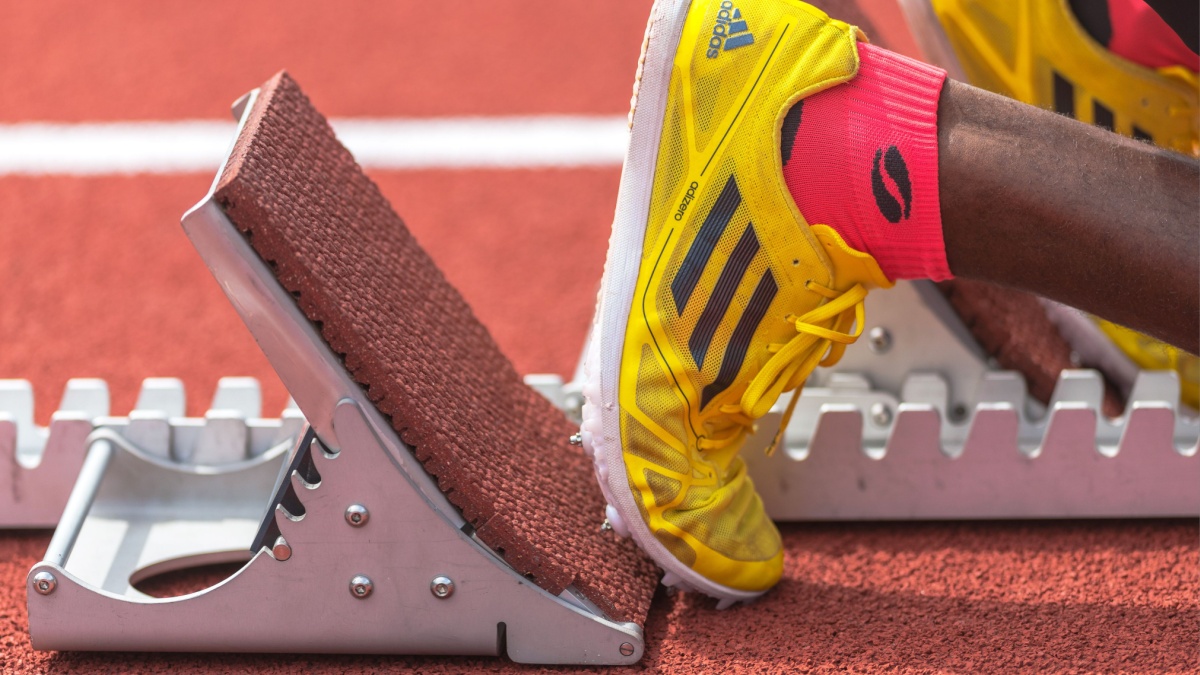
Imagine a packed arena. Noise echoing off every surface. A man in his 50s crouches in the blocks. Then… silence. The gun fires. He begins to sprint and 10 seconds later, he crosses the line. Not only is he victorious, but he has just shattered Usain Bolt’s world record.
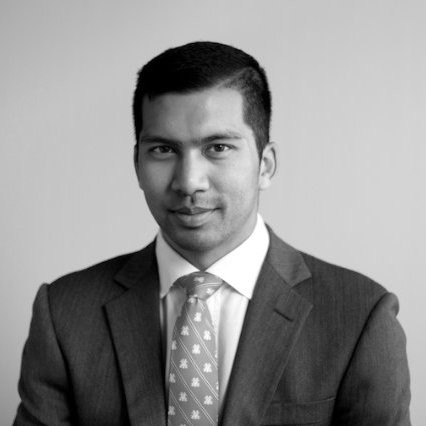
It sounds like a dream or the plot from a Hollywood film. However, according to Aron D’Souza, the Australian-born Founder of the Enhanced Games, it could be a reality as soon as next year.
“This is the greatest gift I can give to humanity,” D’Souza tells Insider Sport.
The Enhanced Games is his vision: a sporting competition designed to rival the Olympics, where performance-enhancing drugs aren’t banned, but embraced. D’Souza explains that it’s not about preserving the natural human form, it’s about discovering what humans are truly capable of when science and sport collide.
The Genesis
D’Souza’s inspiration for the Enhanced Games began nearly two decades ago when he read a paper by Professor Julian Savulescu, a bioethicist at Oxford University, who argued for the creation of an “Enhanced Olympic Games”.
At the time, D’Souza was dissatisfied with the corruption scandals that plagued global sporting organisations. “I read about corruption scandals at the International Olympic Committee (IOC) level, time and time again,” he recalls.
However, one shocking statistic stuck with him which truly made him question the system: “A survey showed that 44% of elite athletes admitted to doping, yet only 1% got caught. And I thought to myself, someone needs to fix this system.”
While D’Souza believes this new event will overtake the Olympic Games, he stressed that he isn’t trying to replace it, as they are both trying to achieve something very different.
He says: “[The Olympic Games] are the guardians of historic, natural sport, taking what was happening in ancient Greece and bringing it to the present. And we are about taking athletes from the present and pulling them into the future.”
A new era of athletics
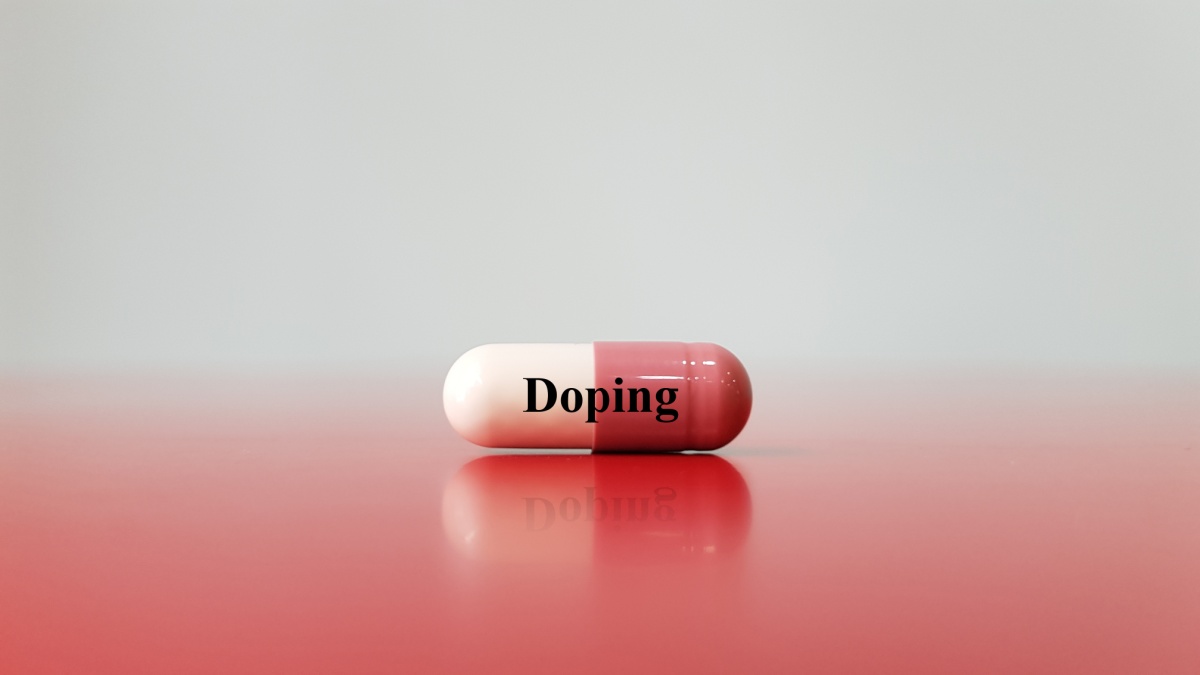
The most striking difference between the two competitions, and the metaphorical elephant in the room, is the use of Performance Enhancing Drugs (PEDs). In traditional sports, doping is looked down upon and seen as cheating. D’Souza, however, sees this as a systemic issue that needs to be addressed.
By legalising PEDs, D’Souza argues that the Enhanced Games can create more thrilling competitions and safer environments for athletes.
Currently, many athletes turn to illegal drugs from the black market, exposing themselves to dangerous substances without proper testing. He believes that allowing regulation and medical monitoring would reduce the risks and enable athletes to push their bodies further without the same dangers.
Beyond PEDs, another area where D’Souza aims to make a significant change is athlete pay, an issue that has plagued the Olympic Games for years.
D’Souza points out the vast discrepancy between the salaries of Olympic athletes and the executives running the sports organisations. “The average US Olympian only earns $30,000 a year and that’s really unfortunate,” he says, comparing this with the high earnings of athletes in other major leagues like the NBA or the Premier League.
“It’s okay if the head of UEFA or FIFA has a private jet because Ronaldo has one,” D’Souza argues. “But I think it’s intrinsically wrong that sports bureaucrats in the Olympic system are better paid than the athletes. The athletes are the core value creators.”
In the Enhanced Games, D’Souza plans to flip the script. “Athletes in our system get paid more than me,” he remarks. “I’m proud of that. I want our athletes to be rich.”
Challenging the status quo
Not everyone is convinced by the Enhanced Games, however. Critics have called the project unethical, unsafe and even dangerous. Travis Tygart, CEO of the US Anti-Doping Agency, dismissed the concept outright, calling it a “dangerous clown show”.
Many in the sports world worry about the long-term health implications of PEDs, especially when used in extreme ways. However, to D’Souza, these criticisms stem from fear and outdated systems unwilling to evolve.
“The Olympics are beautiful because they’re the ultimate avenue of human competition,” he acknowledges. “But the IOC has never had competition itself. We’re the first organisation to challenge it.
“This is the problem with legacy organisations. Why didn’t taxis invent Uber? Why didn’t Blockbuster invent Netflix? Because they aren’t good at innovation.”
He believes the IOC is following the same path, resisting reform while hosting a financially unsustainable model.
He explains: “The Olympics have bankrupted countries like Greece and Brazil. Fewer cities want to host the Games. They’re not innovative enough to come up with a new business model. They’re never going to stop exploiting taxpayers or pay athletes fairly.”
D’Souza insists that while the Enhanced Games are disruptive, they’re also necessary. He states: “The IOC wrote us off as a joke. But you know what? Now it’s too late.”
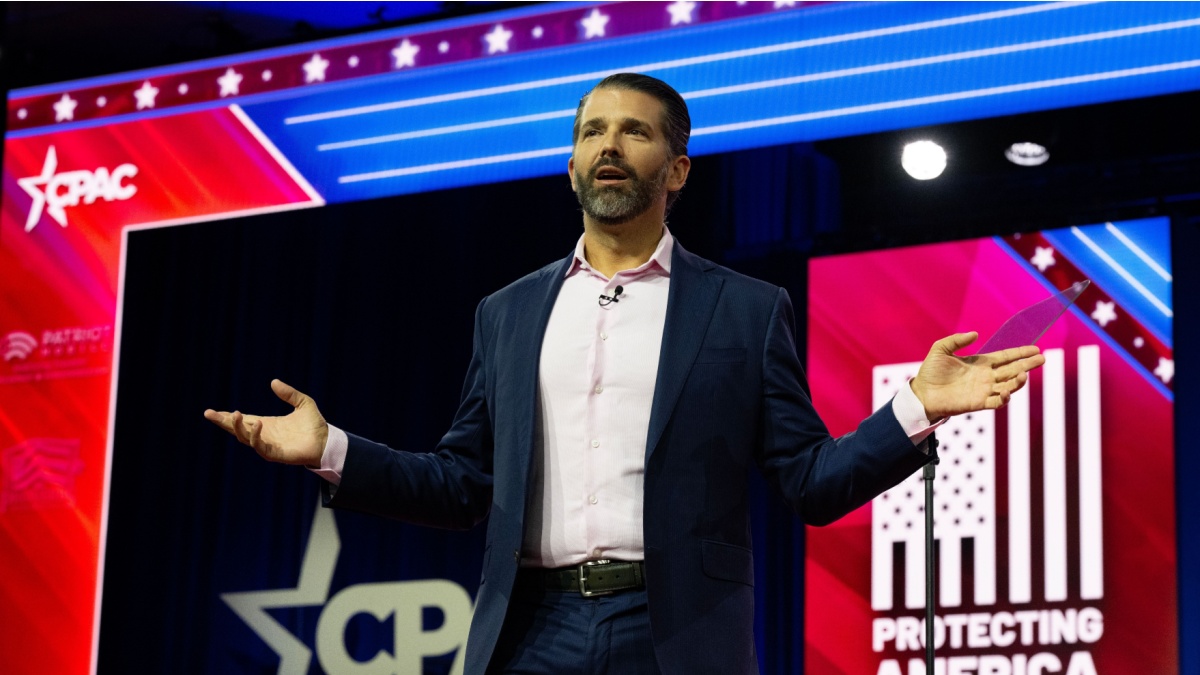
His plan may be a shocking concept to many, but it’s not short on support, especially from big-name investors. The project recently secured funding from 1789 Capital, an investment firm tied to Donald Trump Jr.
D’Souza says: “The overarching thesis of the Trump movement is scepticism of legacy institutions. The IOC fits right into that category – an unaccountable, US-funded, globalist institution. Until we came along, it wasn’t even on their radar.”
The business model for the Enhanced Games breaks from traditional sports, which D’Souza highlights typically relies on sectors such as fast food and alcohol for sponsorship.
“We’re unlocking a whole new sponsorship category,” he explains. “Biotech, pharma, and healthcare don’t usually advertise in sports. Why would they, when science isn’t allowed on the field? But we’re changing that.”
Though this is also about long-term revenue potential. In addition to standard streams like ticket sales, media rights and betting, he’s eyeing up two unique assets: pharmaceutical marketing and biometric data.
“We’re already spending hundreds of thousands each month monitoring athlete health. That data can fuel new clinical discoveries. We’ll be the principal distributors of enhancement drugs”.
The countdown is on
The Enhanced Games is set to debut later this year, with a high-profile announcement expected soon.
D’Souza’s confidence in the project is high and he believes the momentum is already on his side. “At dinner tables all over the world, everyday-people are having this discussion of ‘what does it mean to be human?’ What does it mean to be fair in a world where enhancements are not just allowed, but they’re celebrated?”
Despite the buzz, there’s work to be done. Convincing sceptics, reshaping public perception and redefining what sport can be will take more than just headlines.
However, D’Souza believes that now is the time for change and concluded with a final question. “If you’re an athlete, do you want to be the fastest natural man in the world or just the fastest man in the world?”