


UEFA acts to stem player welfare concerns, while FIFA continues to be criticised by the players’ global union.
David Terrier, European President of global football player trade union FIFPRO, has officially taken his seat as the first voting member of UEFA’s Executive Committee.
The former French footballer joined a UEFA meeting in Istanbul to confirm his seat on the Executive Committee and has now been granted voting rights on decisions to help protect player welfare standards.
This follows a UEFA announcement in February which confirmed Terrier as the committee’s first player representative. He has been President of FIFPRO since May 2023 and on the FIFPRO Global Board since 2021, where has long advocated for player’s rights across Europe.
Having played for most notably FC Metz, the Terrier will look to help provide “long-term sustainability” to players’ welfare, such as health insurance and clearer medical responsibilities.
“Today’s decisions are a positive and concrete step forward for players and for the long-term sustainability of European football,” said Terrier.
“I want to thank UEFA President Aleksander Čeferin’s personal commitment to player-centric protections. Measures such as mandatory health insurance and clearer medical responsibilities reflect the growing recognition that player welfare is no longer treated as secondary within the game’s development.”
A focus on national team scheduling
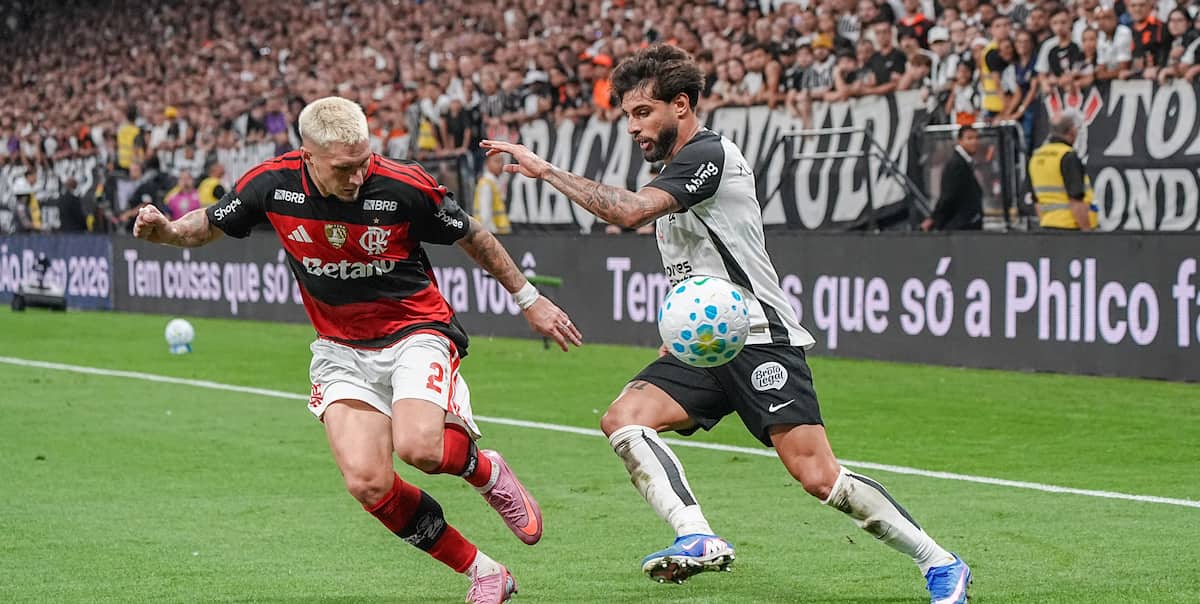
One of the key reasons for appointing a player representative to the Executive Committee was growing concern among players over the increasing number of games being added to the European football calendar.
UEFA has added two additional games to a reformed Champions League group stage phase, with a further two games if players were to compete in the Knockout Play-Off rounds. In a bid to mitigate this, UEFA has introduced a new competition format to the UEFA Nations League from 2028.
The new format will see the Nations League go from four to three leagues, consisting of six teams per league. Teams will play six matches against five different opponents. Quarter-finals, semi-finals and promotion/relegation Play-Offs will complete the format with no change.
FIFPRO Europe and Terrier welcomed the reforms to the Nations League, believing it creates a “more meaningful competitive framework for national players” by reducing additional burden on the international match calendar.
“National team football is at the heart of what players cherish most about their careers,” said Terrier.
“Representing your country remains one of the greatest honours in football and it deserves a competition worthy of that, with no additional pressure on players’ workload. This last point matters enormously to us.”
A long time coming for player representation?
Players such as Manchester City’s Rodri have been criticising the increased amount of games to the footballing calendar for the past several years.
FIFPRO has supported the players’ stance on this, as well as the issue of no player representation or input on Executive Committee meetings and decisions in the past.
The players union accused FIFA of ignoring FIFPRO of not taking into consideration players’ opinions on player-related measures during a FIFA meeting in Morocco in November 2025.
FIFPRO said FIFA did not include any genuine global representation of independent unions which take part in labour negotiations and speak directly for players.
This also relates to similar concerns raised to FIFA in regards to the formation of the reformed FIFA Club World Cup, which added several new games to players from 32 clubs across the world to take part in last summer, which typically would have been an off-season for players.
“FIFA continues to systematically ignore and silence the real issues players face in different parts of the world. It is unacceptable for an organisation that claims global leadership to turn a blind eye to the basic needs of the players,” said FIFPro in July.
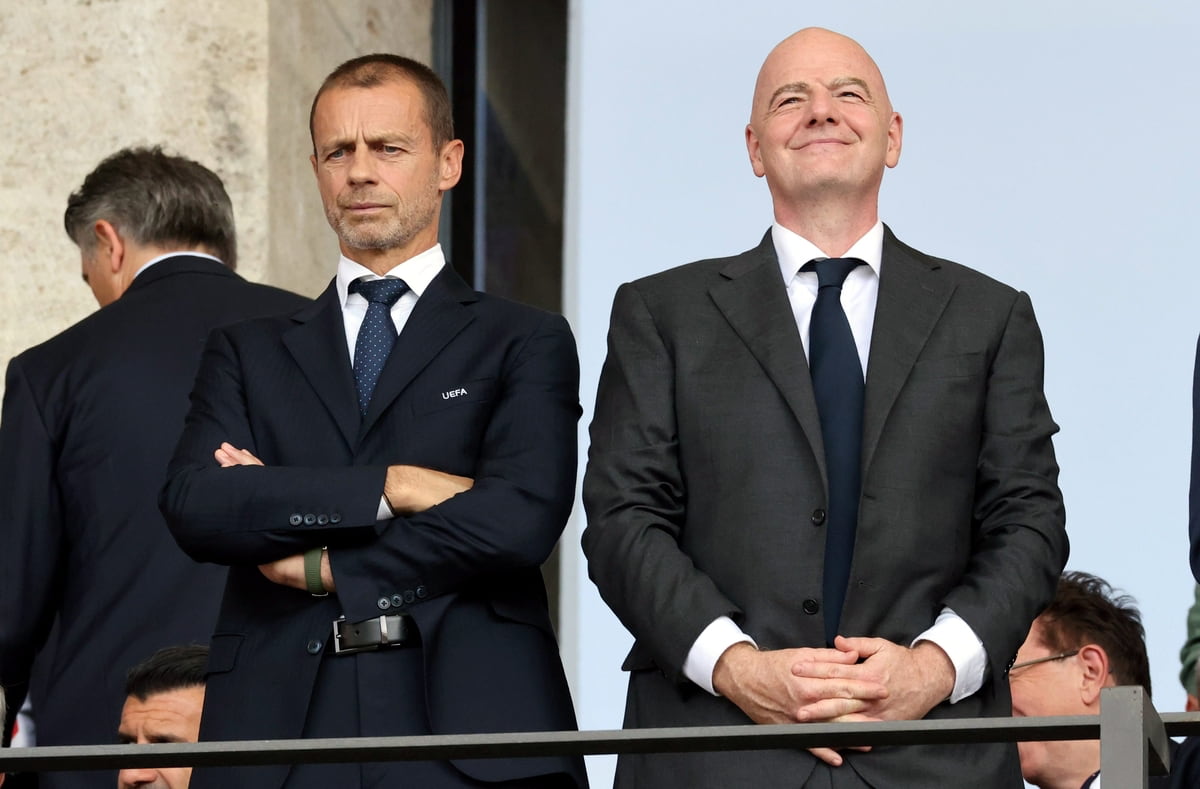
The Global Head of FIFPRO, Sergio Marchi heavily criticised FIFA President Gianni Infantino for his focus on staging “grand spectacles” over player welfare.
“More than half of professional players aren’t paid their wages, thousands are locked into contracts that are violated, many face abuse, physical, psychological, financial, that spills over into their families’ lives,” said Marchi.