


F1’s Mark Wrigley outlines how the sport is building a wagering proposition designed around fan engagement rather than short-term commercial returns
Formula One’s (F1) Head of Betting, Mark Wrigley, says the sport is treating its fledgling wagering proposition as a fan engagement tool rather than a revenue driver, as the series continues refining its betting product following its launch earlier this season.
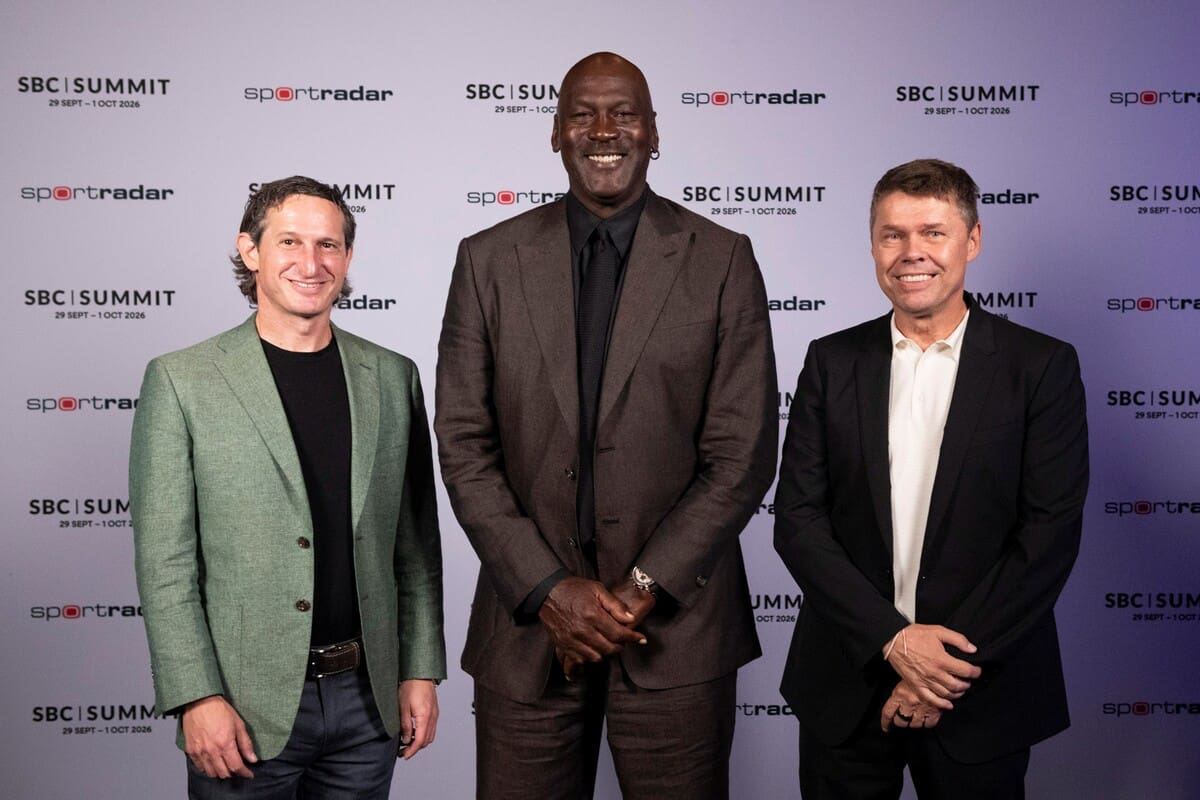
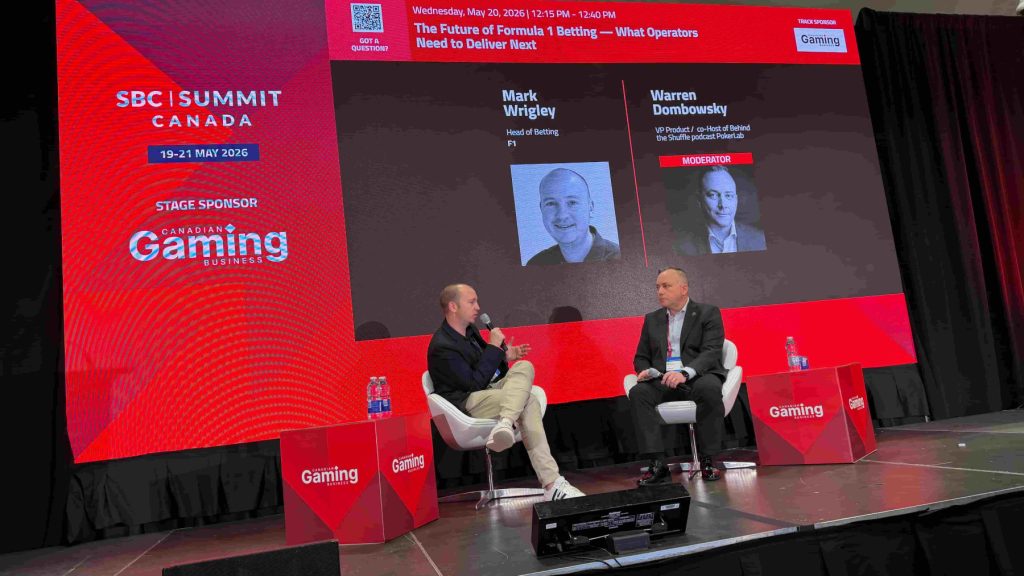
Speaking during a panel at SBC Summit Canada in Toronto this week, Wrigley explained the decision to enter the betting space was shaped by conversations with fans rather than commercial pressure.
“Fans do bet on sport, but they don’t on F1, because the product’s not there,” Wrigley said. “We’re not there to encourage anyone who doesn’t want to bet. We want to facilitate it from a product perspective.”
It is a conscious strategy from a sport that has spent recent years expanding its audience through Drive to Survive, the F1 film, and brand partnerships with Lego and Disney.
F1 Betting: From three markets to hundreds
Wrigley said the state of F1’s betting product prior to his arrival was “pretty poor”, and limited to three live markets covering race winner, podium finish, and fastest lap, with odds that frequently became uncompetitive well before the chequered flag.
The rebuilt proposition, developed in partnership with data and trading firm Alt Sports, has shifted focus to in-race micro markets tied directly to the broadcast narrative: battles for individual positions, pit stop predictions, head-to-head matchups between drivers over short lap windows.
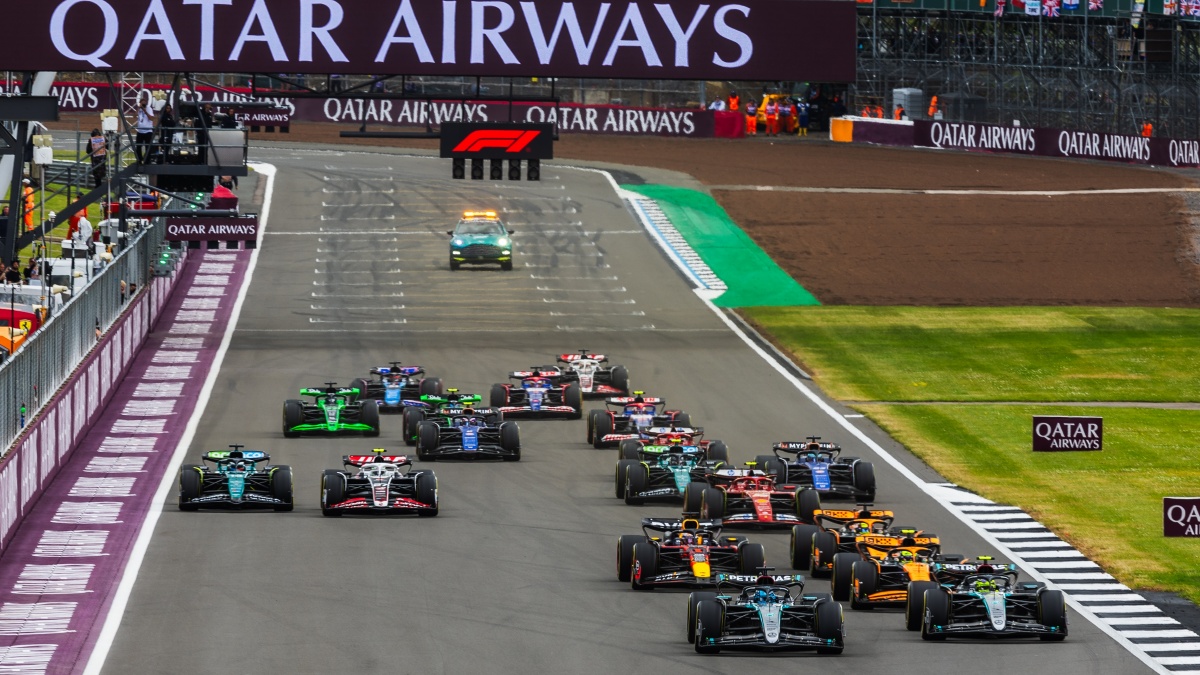
“A lot of the time you know who’s going to win the race quite early on,” Wrigley said. “The most interesting thing might be the battle for fourth, or who’s going to pit next, or will there be an overtake in the next three laps.”
F1 collects 700 data points per second per car via its own telemetry infrastructure, fed to Alt Sports at approximately 200 milliseconds latency – a pipeline Wrigley described as unique and impossible to replicate through unofficial data suppliers. The season opened with three live markets; by the Canadian race weekend, that number was in the hundreds.
Tier-one partners, no trackside ads
On the commercial side, F1 has announced partnerships with Betway and FanDuel as its inaugural tier-one betting partners, with Wrigley indicating the sport is in no rush to expand that roster. The criteria, he said, is a genuine promotion of the F1 betting product, not simply using the sport as a funnel to casino or other verticals.
“We’re looking for partners who want to work with us, not just use our sport as a billboard,” he said. “We want a true partner rather than just a transactional partner.”
Notably, F1 has taken a decision not to place betting branding trackside or within its live broadcasts – a choice Wrigley linked to both brand protection and commercial effectiveness, pointing to historical precedent where sponsorship inventory didn’t translate successfully into handle growth.
Instead, the sport has built a dedicated, age-gated section within its own app and website labelled F1 Betting, restricted on a territory-by-territory basis and accompanied by responsible gambling content. “We only want to speak to those fans who want to bet,” Wrigley said.
Long-term build, not short-term gain
Despite an encouraging early response from operator partners, Wrigley acknowledged race cancellations have disrupted the product’s rollout and that significant development work remains ahead.
Asked to quantify how far along the journey F1’s betting product currently sits, his answer was there is still some way to go. Build-a-bet functionality, free-to-play products, data visualisations, and further market personalisation are all in the pipeline, but the priority remains strengthening the live fixed-odds proposition with licensed operators before expanding into adjacent territories.
Prediction markets, he said, are on a watching brief rather than something F1 is seeking active engagement in.
“We’re thinking about this from a very long-term perspective,” he said. “Not a short-term revenue gain.”