



















Reforms stem from Lassana Diarra’s challenge to FIFA’s transfer rules, yet he remains uncompensated for the losses the court found unlawful
An agreement between FIFA and FIFPRO to adopt a modern governance framework within FIFA’s institutions structures has been welcomed as a governance reset, but a players’ rights group says it doesn’t do enough.
The deal, a new Memorandum of Understanding (MoU) setting out how transfer rules and player‑welfare standards will be negotiated in future, was announced on the eve of the 2026 World Cup (10 June).

The Justice for Players Foundation described the MoU as “a meaningful step” toward strengthening player rights and modernising the transfer system. However, it said the agreement “does not address” the position of players who were subject to FIFA’s transfer regulations between 2002 and today.
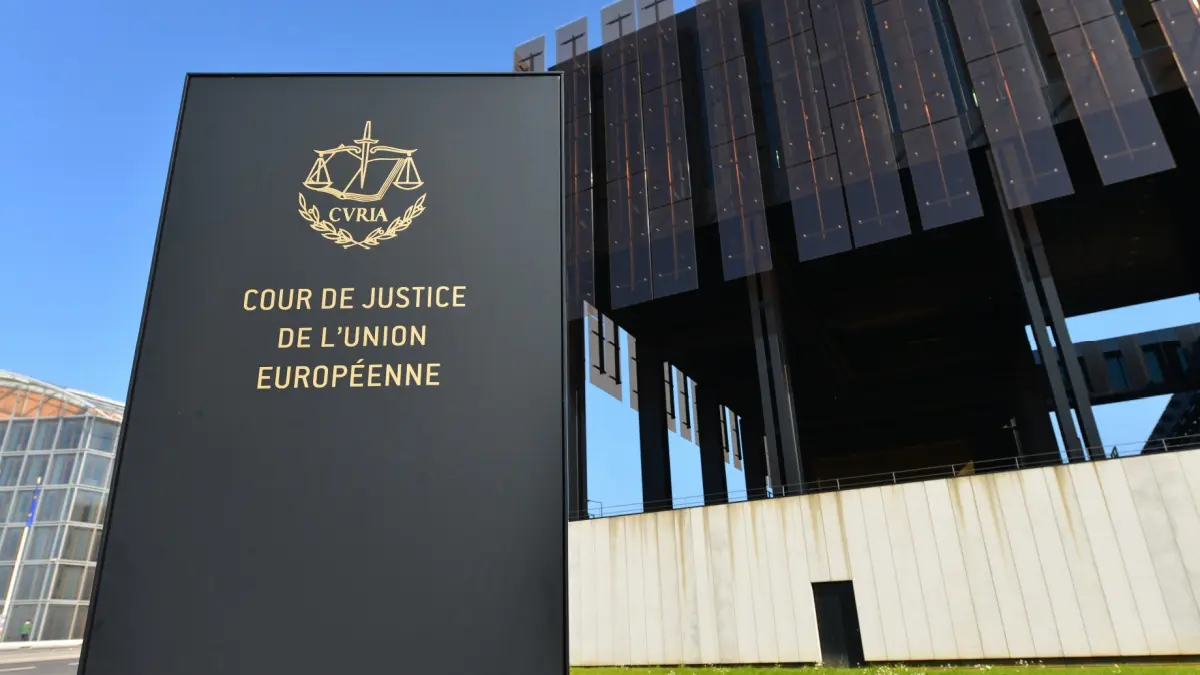
The Court of Justice of the European Union (CJEU) ruled last year that key elements of those rules unlawfully restricted free movement and breached EU competition law.
Independent analysis mentioned by the foundation notes players’ career earnings were around 8% lower under the rules, amounting to billions of euros in losses across the affected group.
The foundation also pointed to FIFA’s recent settlement with former France international Lassana Diarra, whose case triggered the CJEU ruling.
While FIFA has not admitted liability, Justice for Players said the settlement and the new MoU “demonstrate that FIFA recognises the scale of the issue”. The MoU, however, contains no way to compensate players who lost income under the old rules.
“A new era for the future must not come at the cost of justice for the past,” said Lucia Melcherts, Chair of Justice for Players.
“Players who lost income over more than twenty years have the right to seek compensation for the losses they have already suffered. Not only better rules going forward.”
The FIFA-FIFPRO deal
FIFA and FIFPRO have agreed a new MoU running to 2031, introducing a structured governance model based on formal dialogue and bringing an end to ongoing legal disputes. All current proceedings will be withdrawn, with a commitment not to pursue future external cases outside football’s regulatory framework.
A new Global Social Dialogue Platform, chaired by FIFA, will bring together players, leagues and clubs to negotiate reforms across the transfer system, domestic regulations and player welfare standards.
Any future amendments to the Regulations on the Status and Transfer of Players will require agreement between the social partners.
The MoU also strengthens player representation within FIFA governance, with FIFPRO-appointed representatives sitting on the Football Tribunal, key judicial bodies, standing committees and the Human Rights and Sustainability Sub-Committee.
FIFPRO will also hold an observer seat with speaking rights on the FIFA Council when player-related matters are discussed.
Further commitments include $20m (£14.9m) allocated to the FIFA Fund for Professional Players (2026–2029), collaboration on domestic collective bargaining frameworks, global minimum standards for women’s national teams and joint work on medical, technical and youth development programmes.
Lassana Diarra
The dispute traces back to former France international Lassana Diarra, whose move to Belgian side Charleroi collapsed in 2015 after FIFA regulations linked his contract dispute with Lokomotiv Moscow to potential sanctions on any buying club.
Diarra had left the Russian club following a pay dispute, with FIFA subsequently ruling in favour of Lokomotiv and ordering the player to pay €10.5m (£9m) in compensation, as well as a 15-month suspension.
Under Article 17 of FIFA’s Regulations on the Status and Transfer of Players, Charleroi feared it could be held jointly liable for the penalty, leading the club to withdraw from the transfer.
After nearly a decade of legal proceedings, the case reached the Court of Justice of the European Union, which ruled in 2024 that key aspects of Article 17 were incompatible with EU law on free movement and competition.
The Justice for Players Foundation estimates more than 100,000 players may have been affected by the rules in question and says it will continue supporting efforts to secure compensation for those impacted.