


AI is being blamed for an incident linking Eric Trump to alleged insider messages during the White House UFC event
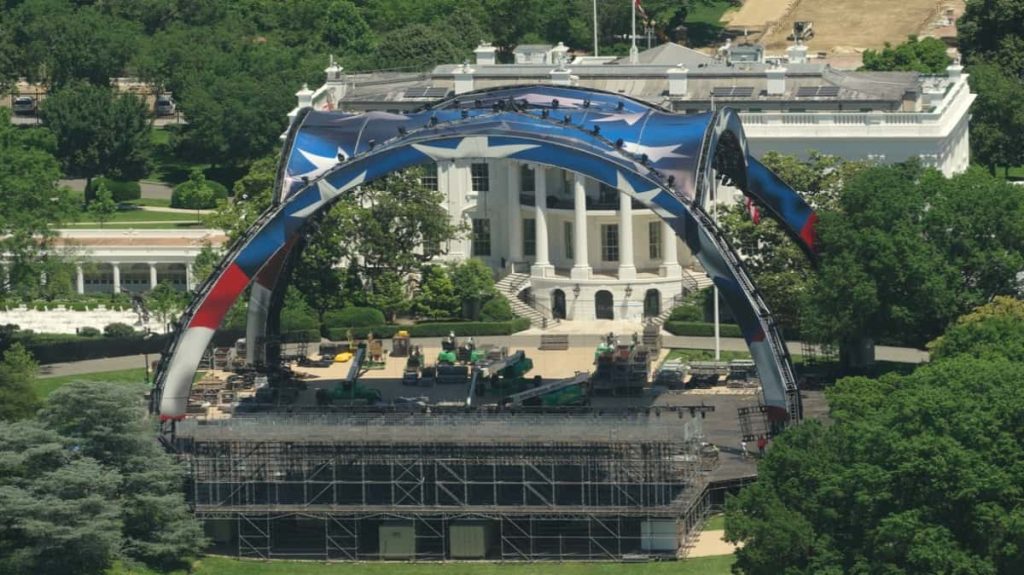
Eric Trump’s denial of match-fixing allegations linked to the recent UFC Freedom 250 event has highlighted how AI is creating a new challenge for sports integrity partners.
The internet was sent into a frenzy on 14 June, when screenshots posted on Daniel Cormier’s X account appeared to show messages from an account under Trump’s name asking whether any of the UFC White House fights were rigged and whether the former champion was placing bets.
The messages included a specific reference to the Diego Lopes bout and the possibility of an upset, which came to fruition. However, both men have since rejected the screenshots as fabricated, with Cormier questioning why anyone would believe them and suggesting he must have been “hacked or something.”
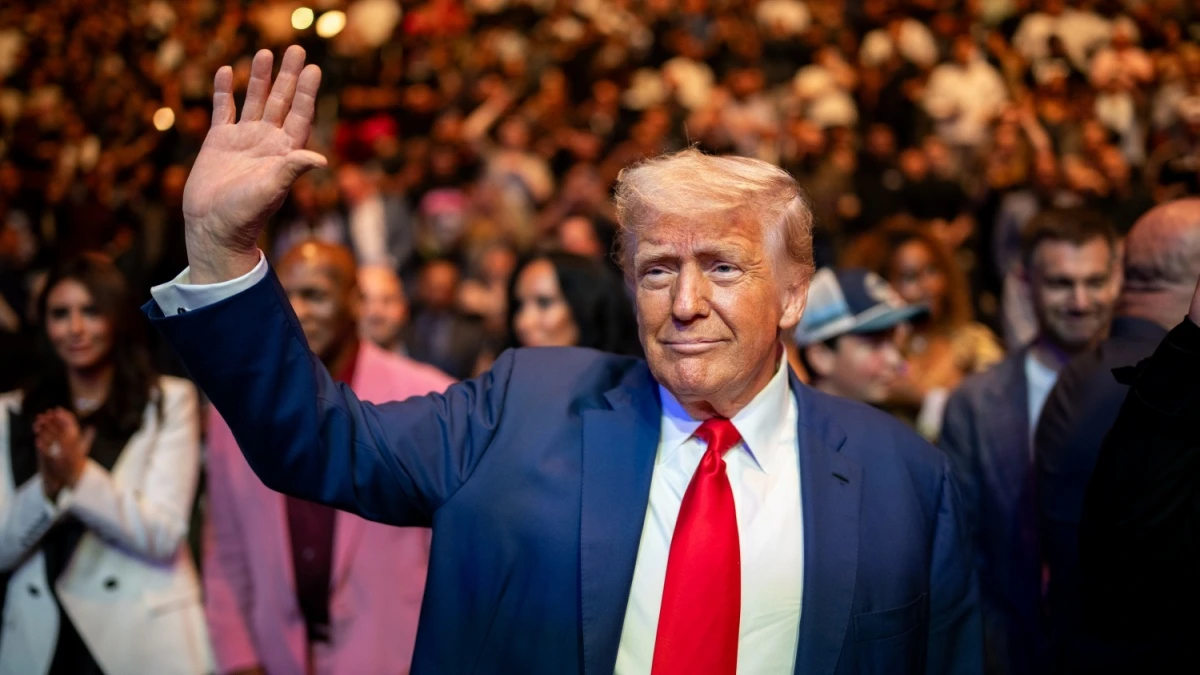
Trump, who was at the centre of attention during one of the biggest sporting events in US history, described the posts as completely fake and AI-generated.
A spokesperson for the Trump Organisation also issued a statement saying the screenshots were fabricated and warned that AI-generated content allows false information to spread quickly when people fail to verify what they are seeing.
Wouldn’t be the first time
The promotion has faced several betting-related concerns in recent months, and the growth of regulated betting across the US has increased scrutiny around suspicious activity.
In January, the UFC removed a fight from its card after betting irregularities triggered integrity concerns, only a few months after a similar situation had unfolded.
The lightweight bout between Alexander Hernandez and Michael Johnson was pulled on the day of UFC 324 after the organisation received an alert from its independent betting integrity monitoring partner IC360.
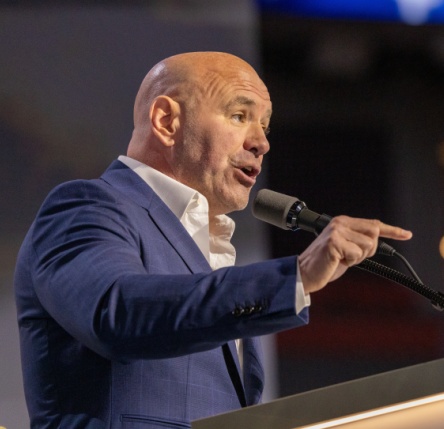
UFC CEO Dana White later confirmed the decision was taken after the gaming integrity service raised concerns and said he was not willing to repeat previous situations.
This was a different approach from November 2025, when sportsbooks suspended betting on a featherweight bout between Isaac Dulgarian and Yadier del Valle following sudden line movement and unusual prop activity. Despite those concerns, the fight went ahead, with Dulgarian losing in the first round.
The UFC has stressed suspicious betting activity does not automatically indicate corruption and has pointed to its cooperation with law enforcement, including the FBI, in previous cases.
Trump’s own links to the prediction market platform Kalshi also influenced some reactions.
Prediction markets have attracted scrutiny from regulators and market participants, who are concerned about insider trading risks and the difficulty of controlling information flows when political and sporting events become tradable contracts.
AI adds to the integrity headache
This latest incident is one of the first that shows AI is adding another layer of complexity to sports integrity.
Services have relied on monitoring betting patterns, enforcing athlete conduct rules or identifying suspicious line movements in recent years. However, leagues, regulators and operators must now also contend with fabricated screenshots, audio and video that can appear convincing enough to create public suspicion.
Organisations like the UFC, which already work with integrity monitoring partners and respond to alerts in real time, now face the risk that AI-generated misinformation can damage trust even when no wrongdoing has taken place.
The financial industry is facing a similar challenge, with bad actors using AI-generated content and deepfakes to carry out fraud and manipulate perceptions.
An additional challenge for sports is that AI-generated claims may not always create an official integrity alert that requires investigation, but they could still influence people into placing bets based on the belief that a fight is fixed.