


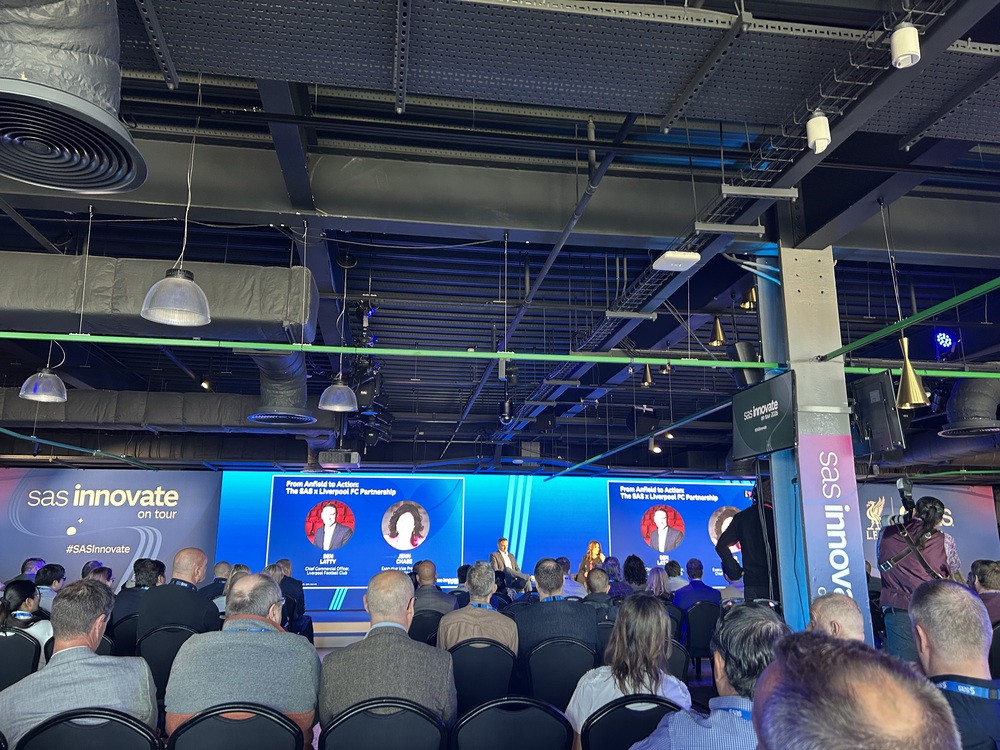
Liverpool Chief Commercial Officer Ben Latty, presenting at Anfield yesterday (16 June), and SAS Chief Marketing Officer Jennifer Chase, speaking to Insider Sport, revealed how complex data sourcing can deliver unique experiences for Liverpool’s global fanbase.
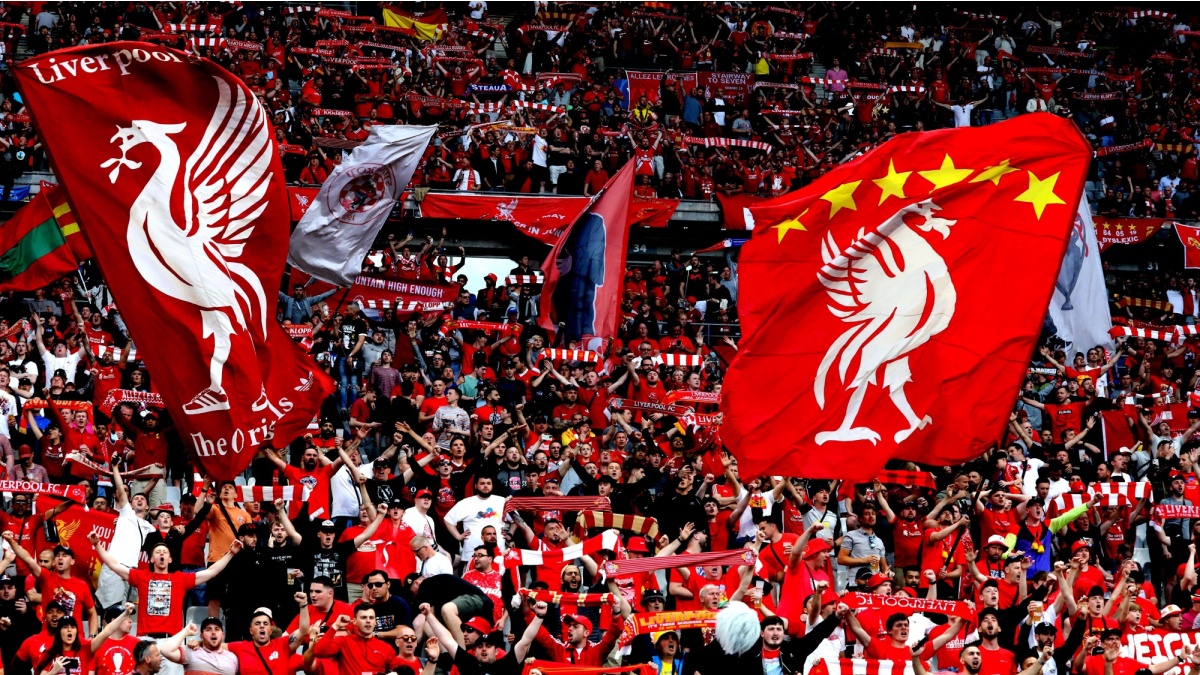
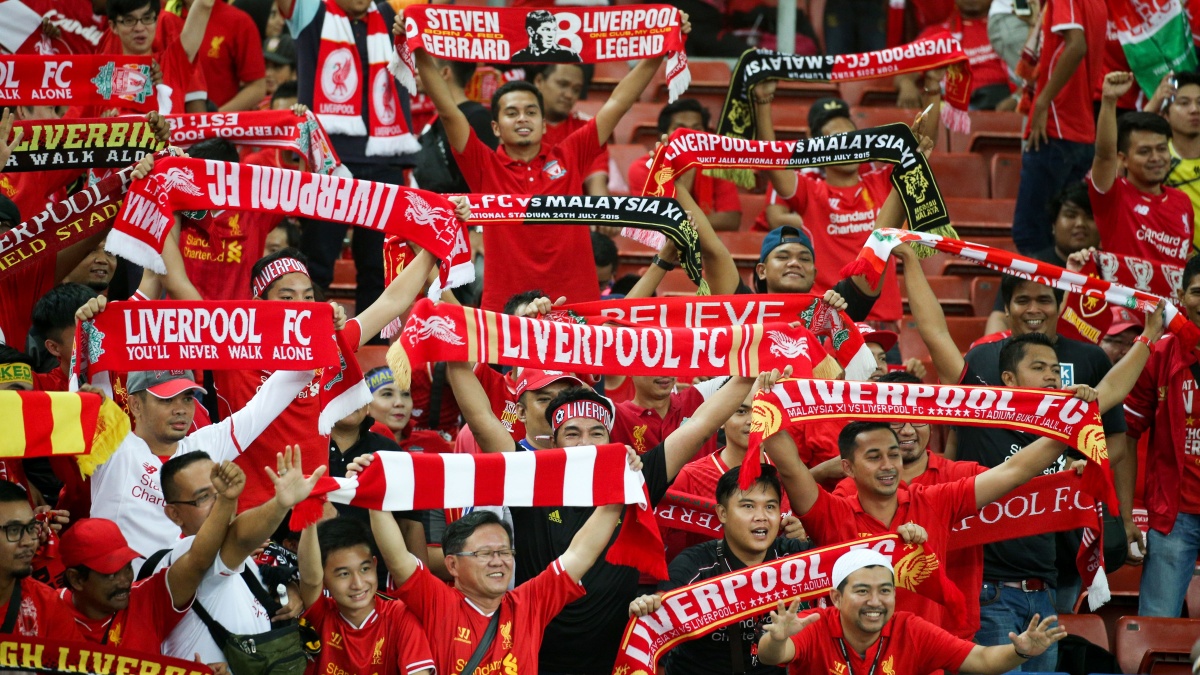
Liverpool Football Club is not just one of the largest footballing establishments in the UK, it is a global powerhouse which connects millions upon millions of fans from all over the world.
From the red brick roads of Boston in the US, to the bustling streets of Indonesia, Liverpool has garnered this mass global fanbase by disseminating its core values: tradition, heritage and success.
These values have enabled the football club to operate fully-fledged businesses. Liverpool now operates in-house catering, social media and retail businesses, which has attracted the attention of new commercial partners.
Ben Latty, Chief Commercial Officer at Liverpool F.C., is the man behind many of the club’s commercial dealings over the past decade-plus, and, speaking at the SAS Innovate on Tour 2026 stop in Liverpool on 16 June, he shared what makes a genuine partner of Liverpool.
“We have really changed the strategy of who we partner with over the last five to 10 years,” says Latty.
“I would say the keyword is partnership. We went through a process five years ago about selecting partners that were going to genuinely add value to the football club. How they can solve a problem and how they can be integrated into everything we do.”
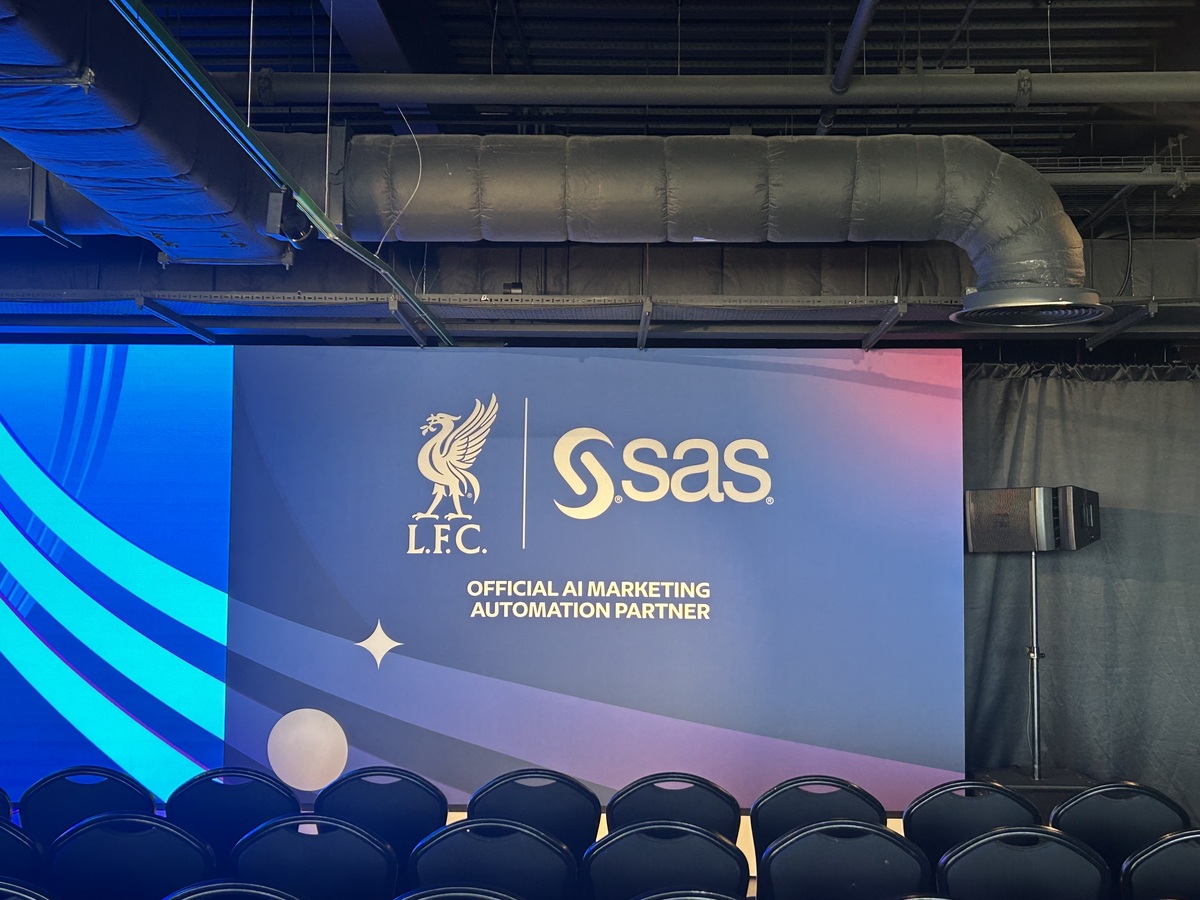
The latest Liverpool partner to the club’s sponsorship portfolio became SAS Institute in December 2025, a data analytics company which leverages AI to solve complex data issues for companies and organisations.
The company has already secured partnerships with the Dutch National Football Association and the NBA’s Orlando Magic, as well as another football club in Los Angeles F.C.
Latty spoke about the value of bringing in a partner like SAS, and what made the company an ideal Liverpool partner not to be a transactional partner,but a value-adding long-term partner.
“One thing that I know is expected is understanding, and SAS came in and the team fully immersed itself in what we can do now and how they can help us in the future,” adds Latty.
So, why was SAS brought on board to help Liverpool both de-fragment its data and get to the heart of each and every one of its global fans?
The data behind the fan
Liverpool generated 1.7 billion social media engagements during the 2024/25 season, a period which ended with the club capturing a record-tying 20th Premier League title.
Liverpool was also the most-watched Premier League club globally during the 2024/25 season, with 504 million viewers and 13.3 billion social media views across all platforms.
The club’s fanbase is global and identifying fans worldwide can become a headache when organising marketing campaigns to personalise individual fan journeys.
Liverpool named SAS as its official AI marketing automation partner late last year in a bid to consolidate its fan data, centralising it to identify each fan across the globe and launch campaigns designed for them, enabling revenue growth at the same time.
Speaking to Insider Sport, Jennifer Chase, Chief Marketing Officer of SAS, explains the early campaigns the club has embarked on already, and why personalisation is becoming an increasingly important part of the club’s marketing campaigns.
“We just started working with them and we have already had success in launching personalised email campaigns, taking the insights from having gathered the data to understand what fan interests are,” says Chase.
“Personalisation always starts with data and making sure you have the right data, because otherwise you can’t personalise the experience. What we’re able to do with SAS Viya and SAS Customer Intelligence 360 (CI 360) is help Liverpool gain a better sense of all the different data they have, and make sure that they’re able to capture the data points which are ultimately going to lead to future personalisation.
“It starts with having a really structured data strategy from which to apply CI360 and then, on top of that, action that data with those personalised communications.”
The SAS use cases
Liverpool will be able to draw on the use cases developed by SAS with their other sports partners.
The Dutch National Football Association (KNVB) utilised CI 360 to connect to 3,150 football clubs with more than 3.6 million fans, representing 21% of the entire population of the Netherlands.
The service enabled KNVB to gain more insights into fan preferences, and share insights with Dutch football clubs to make better data-driven marketing decisions with a personalised customer experience.
“We’ve learned about fans and the different data points you can get from your fans. We looked to bring those learnings to Liverpool, but Liverpool operates at such a different scale.”
Shifting to a different country, and distinct fan culture, the Orlando Magic leveraged SAS services to source 16 different data systems, including retail merchandise and ticketing, to consolidate this data into 300 productionalised target tables, with fans clustered into segments based on their preferences.
The Magic’s team can deploy this into its dedicated app to suggest merchandising or ticket price tiers based on their preferences leveraging the consolidated data, using predictive analytics to personalise offers.
“In each one of those partnerships, we have learned more about what’s important to these clubs as they’re looking to support their product,” says Chase.
“We’ve learned about fans and the different data points you can get from your fans. We looked to bring those learnings to Liverpool, but Liverpool operates at such a different scale.”
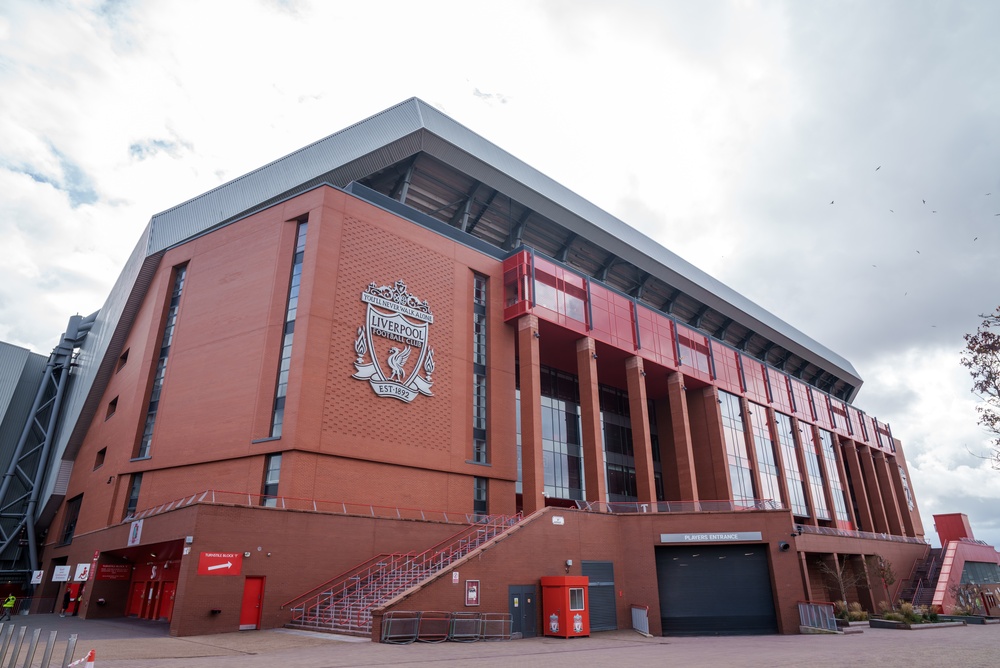
Leveraging Liverpool’s global visibility
Founded in 1976, SAS has spent five decades establishing itself as a trusted name in data and AI, working with some of the world’s most complex organisations across financial services, healthcare, retail and beyond.
For SAS, whose sports partnerships now span national football associations, NBA franchises and Premier League clubs, the decision to work with Liverpool came down to genuine alignment, as Chase explains:
“We’ve spent years building a proven track record across data and AI, and the partnerships we pursue always come down to genuine fit — shared values and a shared belief in what data and AI can achieve. When we looked at Liverpool, what stood out wasn’t just their global reach, it was the seriousness with which they approach data and fan engagement. That’s what makes this the right partnership for SAS.”
For a club broadcast in 189 countries worldwide, the scale of that ambition is considerable. But as Latty highlighted, Liverpool’s appeal lies not just in its global footprint, but in how it balances tradition with genuine innovation, a combination that made the fit with SAS all the more compelling. Both Latty and Chase agreed this helped forge the partnership between Liverpool and SAS.
“Liverpool had a genuine need for the types of solutions that we offer,” concludes Chase.
“They were at a point where they were ready to really elevate engagement with their fans, and to make that far more personalised. There was just this beautiful match of values, audience, and business needs which came together.”