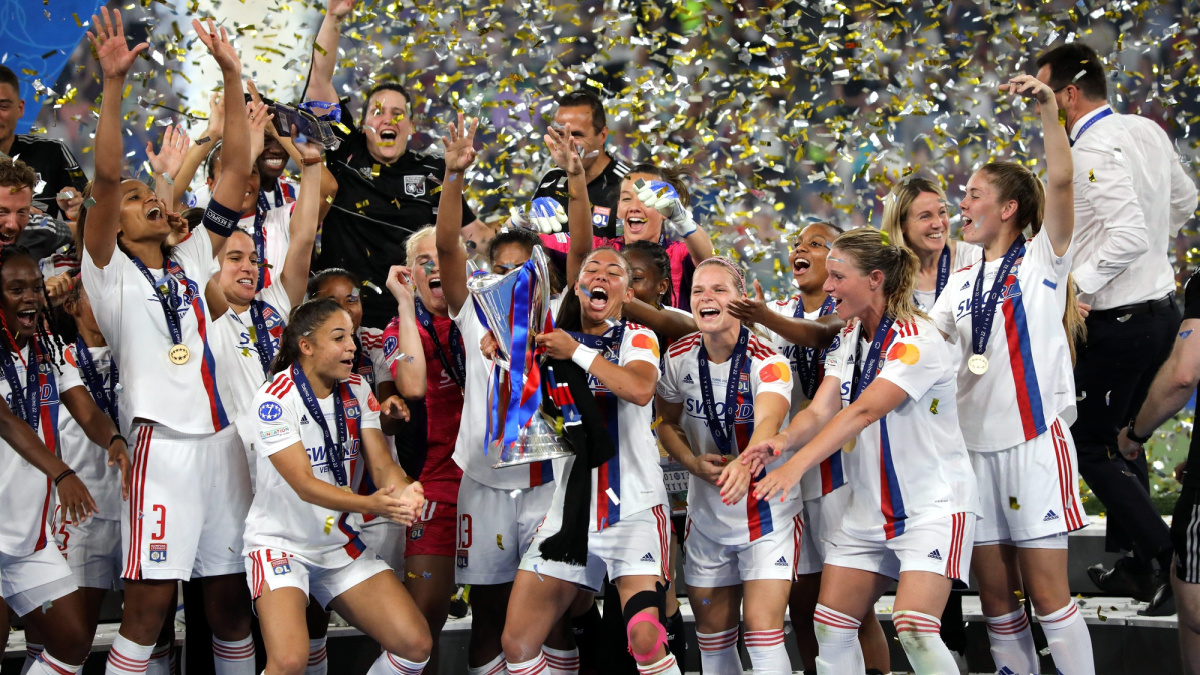



While Europe celebrates record crowds and primetime drama, a parallel story is unfolding in Morocco.
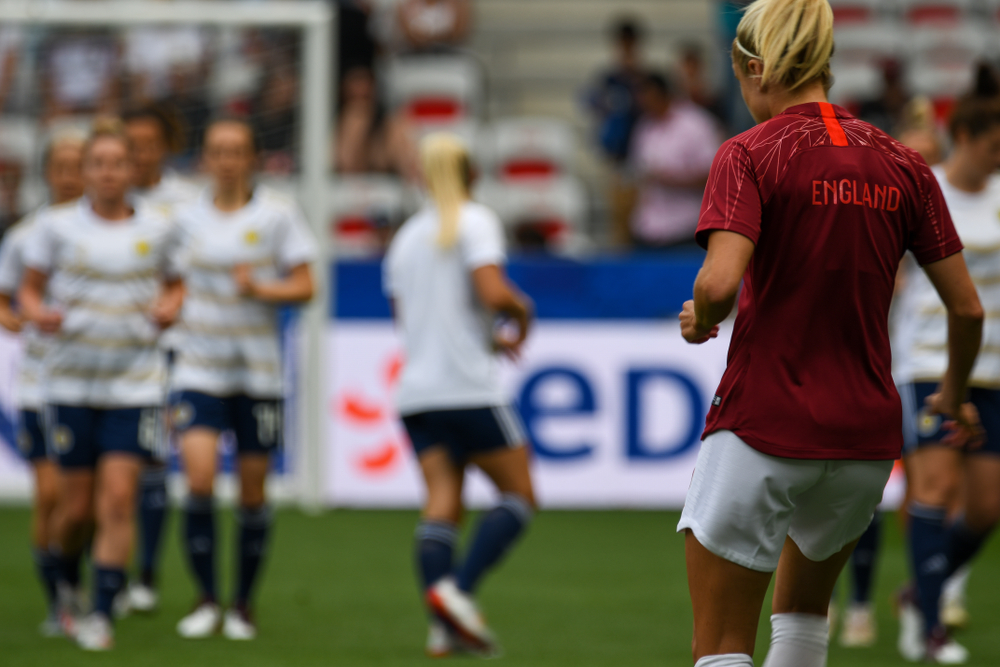
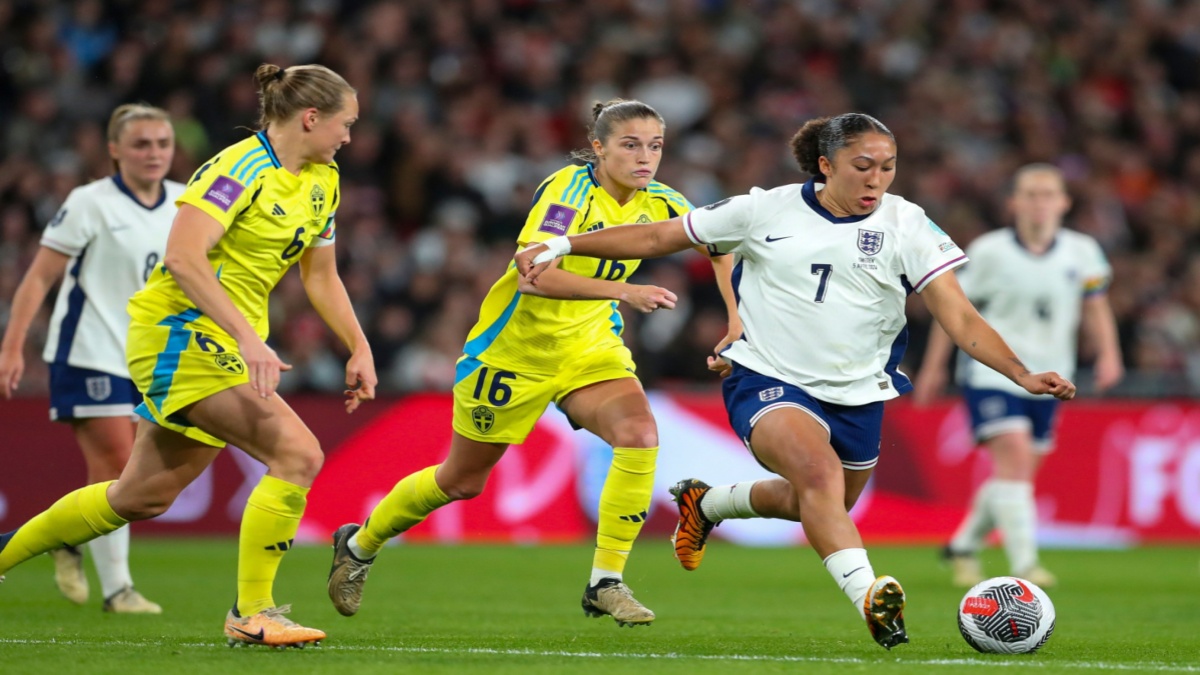
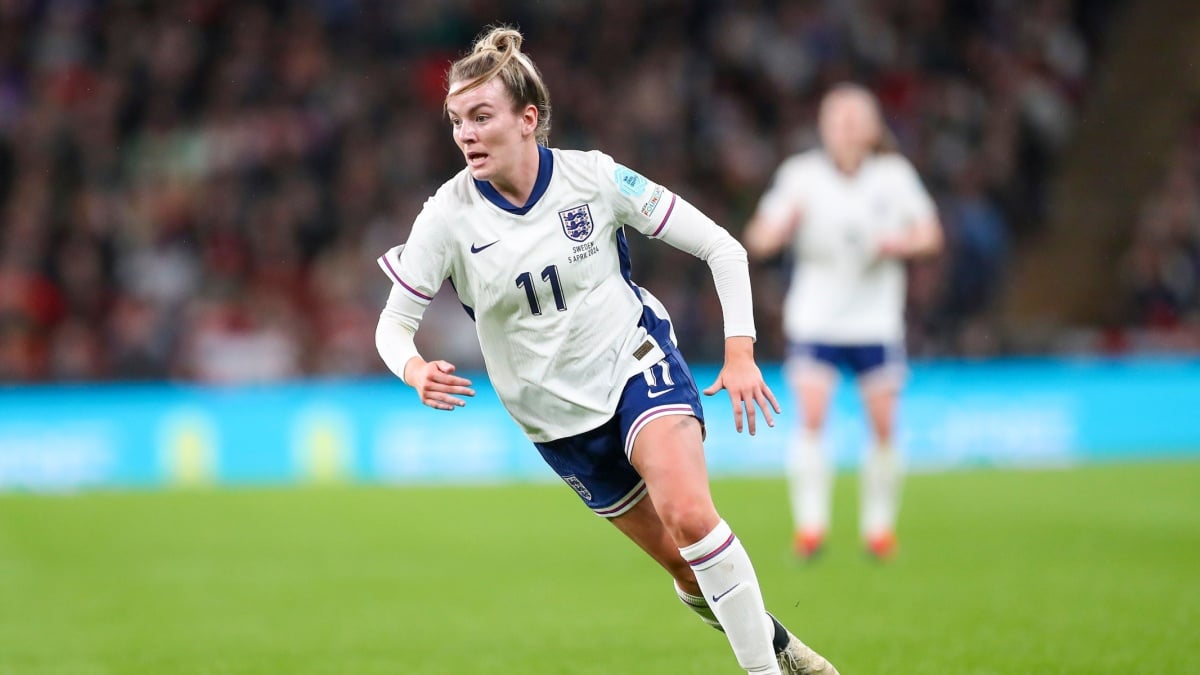
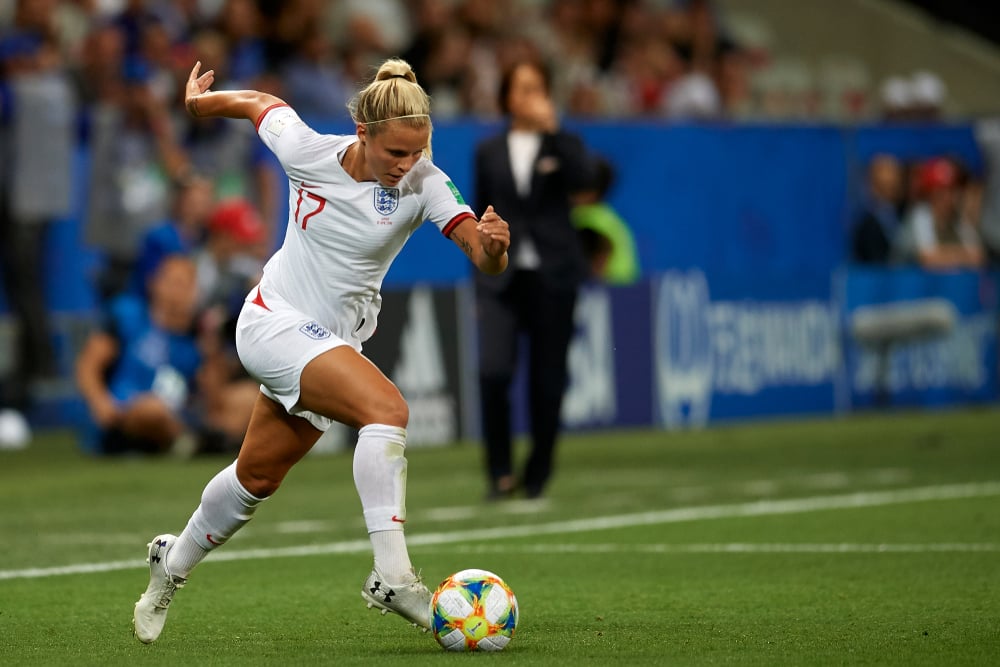
England’s Lionesses booked their place in the final of the UEFA Women’s Euro 2025 on July 22, with a 119th-minute winner against Italy. It was a dramatic finish which captured the passion of the game and reminded the world how far women’s football has come in the UK – and across Europe.
This summer’s tournament has drawn record-breaking crowds, front-page headlines and serious commercial interest. But while the spotlight shines brightly on the Euros, another major women’s football competition is playing out almost unnoticed outside its home continent.
Nearly 2,000 miles away in Rabat, Nigeria’s Super Falcons beat South Africa 2-1, thanks to a stoppage-time goal in the 94th minute. Just as tense, just as meaningful, and arguably with even greater potential for growth.
The win sent Nigeria into the final of WAFCON 2025, the Women’s Africa Cup of Nations, the continent’s flagship women’s football tournament; a tournament whose impact is quietly building.
A TikTok of Michelle Alozie’s goal posted by the South African Broadcasting Corporation has already pulled in over 690,000 views. This is nearly double the 354,000 views of Chloe Kelly’s extra-time winner for England posted on ITV’s TikTok.
Viewership
Of course, comparing TikTok views isn’t a scientific experiment, as platforms, audiences and algorithms all play a part. However, moments like these highlight the hunger and potential of a tournament that’s still in the early stages of commercial and cultural development.
Take the Euros.
UEFA Women’s Euro 2025 has already shattered multiple records. Before a single ball was kicked, more than 600,000 tickets had been sold, with over a third bought by international fans. This figure alone surpassed total ticket sales for the entire 2022 edition in England.
By the end of the group stage, the tournament had drawn 461,582 spectators, making it the highest-attended group stage in Women’s Euro history. Six of the 10 biggest match attendances in the competition’s history have come from this summer.
TV viewership numbers tell a similar story. The Lionesses’ match against Wales averaged 4.2 million viewers on ITV, peaking at 4.6 million.
The competition is even attracting global audiences. In the US, FOX reported a 123% increase in English-language viewers compared to Euro 2022, with France versus England becoming the most-watched Women’s Euro group-stage match ever broadcast in America.
Official viewership figures for WAFCON 2025 haven’t yet been released, but signs of growing digital momentum are hard to ignore.
The Confederation of African Football (CAF) has placed a deliberate focus on platform-native content, partnering with apps like YouTube, TikTok and X to stream highlights, behind-the-scenes access and player interviews to younger audiences. The viral reaction to Nigeria’s semifinal win is proof of the strategy in action.
This push is being supported by more traditional media as well. SuperSport is carrying live matches across sub-Saharan Africa, while beIN Sports is handling coverage in North Africa and the Middle East. National broadcasters in several participating countries are also showing games, and CAF has expanded its digital offering via CAF TV, making selected matches available worldwide.
Commercial momentum
Sponsors are stepping up too. WAFCON 2025’s commercial backbone is anchored by TotalEnergies, the long-time title partner of CAF competitions. Their involvement underpins a record $3.475m prize pool, including a 45% increase in the champion’s payout.
French telecoms company Orange– a familiar partner of the men’s tournament – has deepened its support through “Broadcast Cafés” across Morocco, which act as public viewing hubs aimed at attracting local fan culture and social engagement.
Africa Global Logistics (AGL) has taken on the crucial role of official logistics partner, coordinating the movement of equipment and staff across the five host cities. Meanwhile, Royal Air Maroc has been brought on as official global partner, scaling up flight capacity and helping meet growing fan travel demand throughout the July tournament window.
AcrossEurope, the UEFA Women’s Euro 2025 has attracted more than 20 global sponsors, marking its largest-ever commercial programme.
Names like Amazon, AXA, Booking.com, Lidl, PepsiCo, Unilever and Visa are not only activating their brands but also injecting digital innovation into the fan experience. Amazon’s streaming and data tools power UEFA’s content operations, while Visa’s Click to Pay has been integrated into ticketing.
Visa has even published spending insights from the tournament, showing measurable boosts to retail, food and travel sectors in Swiss host cities, further evidence that women’s football is no longer just a cultural force, but an economic one too.
More still to come
Tonight (July 23), Germany faces off against Spain in the second UEFA Women’s Euro semi-final. Meanwhile, in Africa eyes will turn to July 26, where hosts Morocco will take on Nigeria in the WAFCON final. The day after, the European champion will be crowned.
Both finals are on track to generate record-breaking viewership and engagement, and while WAFCON may still be playing catch-up in commercial terms, the energy around the tournament is impossible to ignore.
What matters now is ensuring these trajectories aren’t treated in isolation. The women’s game can’t afford to grow in silos. As Europe, Africa and other regions accelerate investment, build infrastructure and inspire new generations of players and fans, the future of football depends on a unified celebration.