


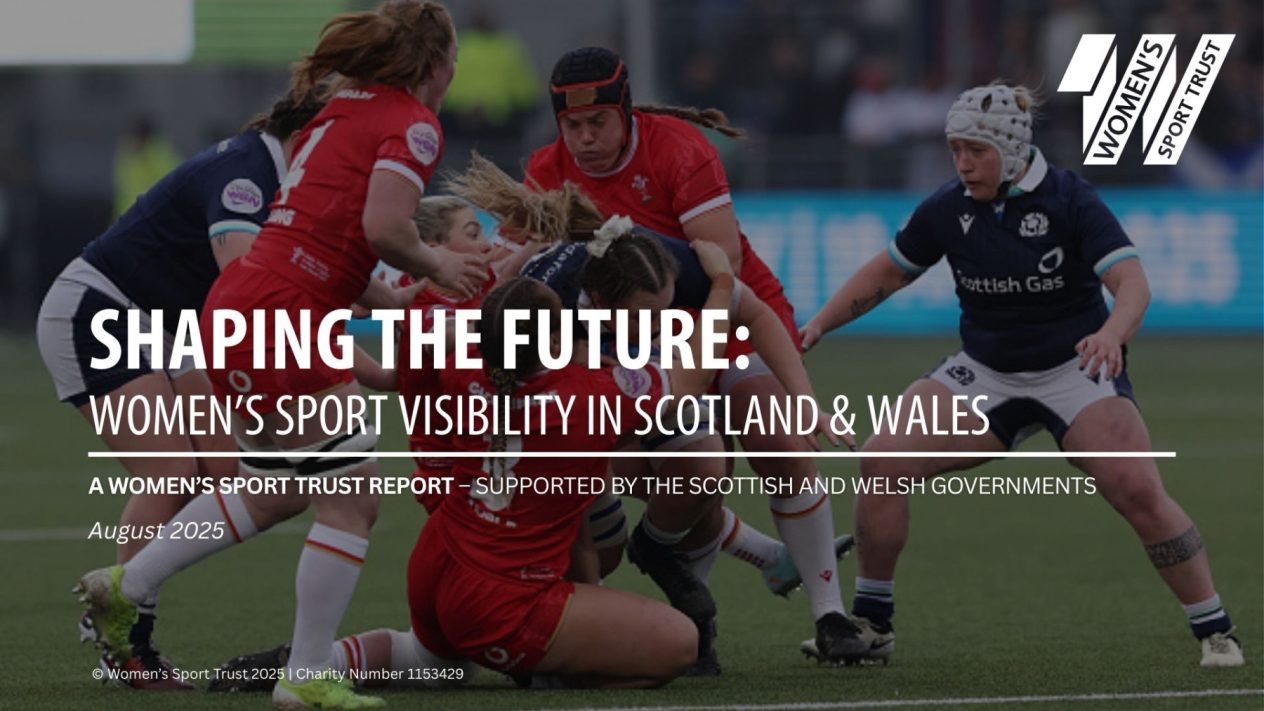
New data from the Women’s Sport Trust shows national-team events driving women’s sport visibility in Scotland and Wales.
National-team tournaments still trump everything else for attention, even when the home nation is not on the pitch, according to new data from the Women’s Sport Trust
Across Scotland, the top 10 women’s sport moments of 2025 were dominated by UEFA Women’s EURO fixtures, despite Scotland not qualifying.
In Wales, where the national team did reach the tournament, group matches averaged 1.8 million live viewers across the UK and doubled Wales’ share of the UK audience compared with non-Wales games.
National teams as the visibility engine
Rugby shows the same pattern. In the Women’s Six Nations this year, Scotland and Wales accounted for 31% and 37% of all UK live viewing hours respectively, with Wales v England the most-watched fixture of the tournament.
This came in a year when overall UK audience for the competition fell, reflecting fewer BBC One windows than in 2024.
The scale of the “event effect” is most striking in Wales. Average live audiences for Wales’ EURO group matches (1.8 million) were roughly 35 times higher than Wales’ Nations League fixtures earlier in the year, which aired only in Wales.
That uplift underlines the value of full national carriage and prime tournament framing for home-nation teams.
Coverage contracted, attention didn’t
Domestic broadcast supply tightened early in 2025. Sky’s UK coverage hours for the Scottish Women’s Premier League between January and May fell 78% year on year, alongside declines across other pay-TV properties.
Yet national-team windows still delivered outsize reach. The divergence hints at unmet demand for women’s sport when domestic league exposure softens.
Away from linear TV, short-form video and player-led feeds are carrying increasing weight. Welsh and Scottish women’s rugby squad members were far more active on TikTok during the Six Nations than their male counterparts, and women’s footballers in both countries posted more often (and reached further) than the men’s squads across the first half of the year.
Individual creators cut through. Wales winger Ffion Morgan generated about 16 million TikTok views year-to-date by July; her gameday outfit clip alone drew 1.9 million, out-performing any single video on FA Wales’ account over the same period.
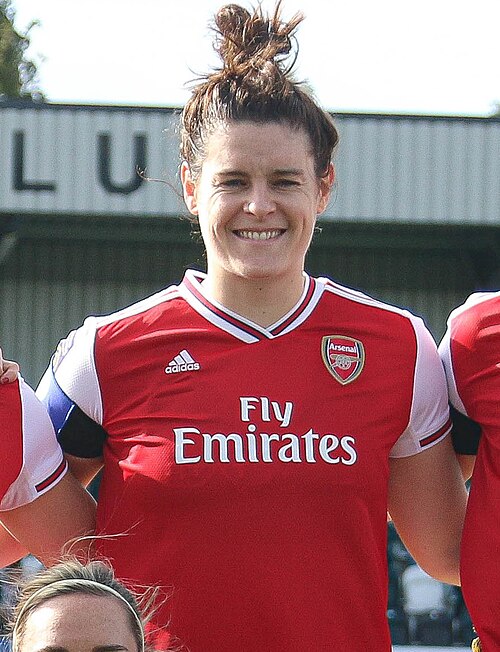
Former Scotland international Jen Beattie, meanwhile, amassed 3.3 million TikTok views since January, more than any current Scotland player, and ex-goalkeeper Kelsey Daugherty drew 25.7 million views across the SWPL season.
Rights-holders are leaning into the shift. During the Six Nations window, women’s content made up three-quarters of Welsh Rugby’s Instagram/TikTok output and more than nine-tenths of Scottish Rugby’s; those allocations accounted for the vast majority of each union’s TikTok views in the period.
FA Wales also recorded its highest monthly TikTok views in July, aligned with EURO 2025.
Golf shows the multi-platform upside
The AIG Women’s Open at Royal Porthcawl illustrated how a tent-pole can scale across platforms.
An official tournament promo became the most-watched Instagram video for any major global women’s property in July (46.1 million views), while the event’s accounts generated 70.6 million Instagram video views and 19.3 million on TikTok across the tournament window.
On site, more than 47,000 fans attended over five days – a record for a women’s sporting event in Wales – and Sky’s average live audience rose 18% year on year, with BBC Two highlights averaging 111,000.
What this means for bigger markets
For North American and larger European audiences used to club-first consumption, the findings are a useful corrective. Eventised, national-team windows continue to draw casual and non-core viewers at a scale domestic competitions struggle to match.
The report’s data suggests that when major-event framing, broad carriage and national identity align, smaller markets deliver disproportionate visibility, and the effect is portable.
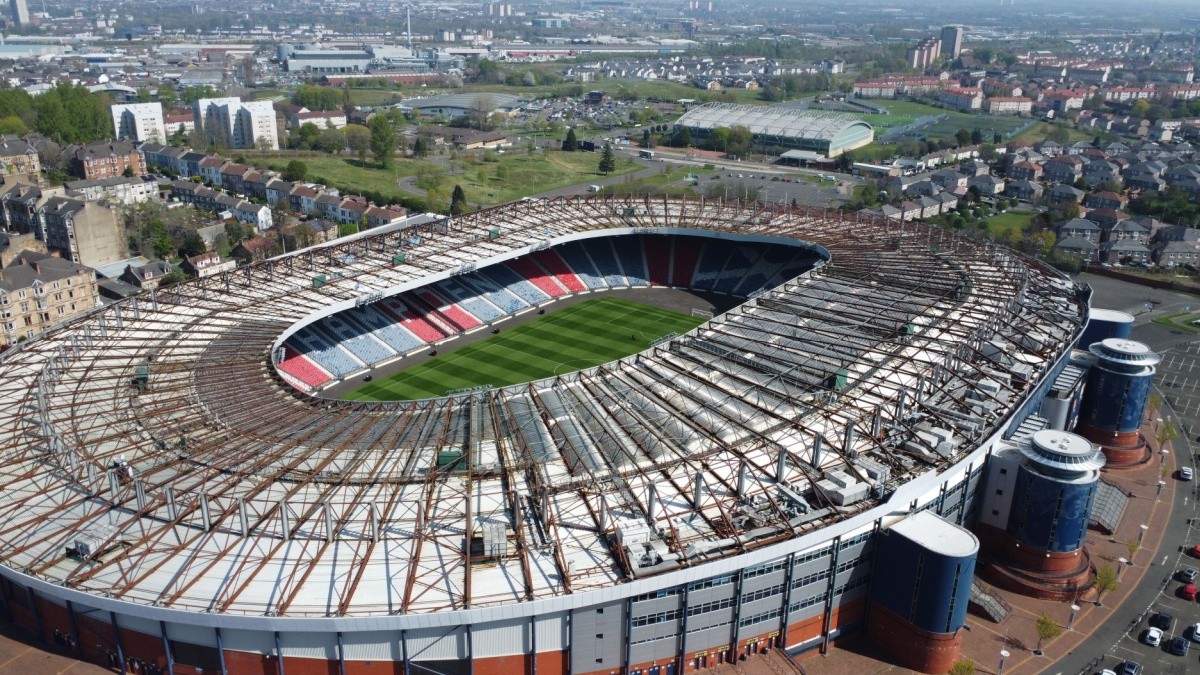
There are also operational implications in that where domestic coverage contracts, demand appears to spill into stadia and digital. One-fifth of SWPL clubs doubled average matchday gates year on year; Wales set new national attendance marks in both rugby and football during the past 12 months, and Scotland Women will stage a standalone Six Nations fixture at Murrayfield next year.
Those trends argue for a balanced mix of free-to-air windows and short-form output to maintain momentum between tent-poles.
Finally, the centre of gravity online is shifting from badges to people. Player-first storytelling – often informal, behind-the-scenes and vertical – repeatedly out-performed official channels. For rights-holders and sponsors, that shifts value towards structured creator partnerships and athlete media support, particularly in the weeks leading into major events.