

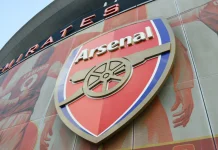






Arsenal’s 4–1 win before 38,142 at the Emirates set the tone for the Women’s Super League’s first weekend, as a new five-year domestic broadcast cycle began and fresh partners arrived.
Arsenal beat newcomers London City Lionesses 4–1 at Emirates Stadium on September 6, before a crowd of 38,142, with debutant Olivia Smith among the scorers. On September 7, Everton won 4–1 at Anfield in the Merseyside derby.
The 2025–26 WSL season is the first under a five-year domestic rights deal worth about £65m with Sky Sports and the BBC. Sky is slated to show up to 118 live matches per season, the BBC 21, with non-televised games available on the Barclays WSL YouTube channel. A regular Sunday 12:00 slot is being established to create appointment viewing.
Sky has also rolled out its MultiView feature to WSL coverage (as used in the men’s game), a production upgrade that should aid discoverability when fixtures overlap. The BBC has appointed Buzz 16 as a production partner for its 21-game slate.
Audio has been bundled in as well. talkSPORT signed a three-year radio partnership through 2028, committing to live commentaries and shoulder programming that should lift casual reach beyond TV windows.
WSL Football (the governing company for the WSL and Championship) appointed IMG to sell global rights and confirmed 13 new broadcast partners for 2025–26. New deals include Stan Sport (Australia), Movistar (Spain) and beIN Sports (Southeast Asia). Territories without a partner – plus selected games – are carried via the league’s YouTube channel.
The season behind the season
The WSL now trades under a new banner, WSL Football, an independent company running the top two tiers with clubs as shareholders, Premier League-style. The second tier has been rebranded WSL2 to present a single pyramid and a cleaner proposition to broadcasters and sponsors. It is the structural shift the FA trailed last year.
The format for this season is changing too, albeit on a glide path. This campaign is a transition year before expansion to 14 clubs in 2026/27. Two teams will go up from WSL2, while the bottom WSL side must face the third-placed WSL2 team in a play-off for the final place. That was agreed by league shareholders in June and approved by the FA in August.
Money and labour rules are being modernised in parallel. From this season, minimum salaries apply across both divisions, and clubs move onto a wage-spend framework that ties outlay to income: up to 80% of revenue may be spent on salaries, alongside a capped owner contribution. It is not a hard cap on star pay, but it should curb the riskiest cost inflation while pushing owners to grow topline.
Safeguarding sits higher up the agenda this season too. A new safe-sport partnership with Kyniska Advocacy gives WSL and WSL2 players an independent, confidential support route alongside club provision. It is practical infrastructure rather than a slogan, and it arrives early in the league’s independence.
On officiating, the league is leaning into this year’s IFAB updates. Expect the “captains-only” approach around referees and a tighter handle on stoppages, including the goalkeeper time-limit emphasis. There has been no league announcement of a video review rollout for 2025/26, so the focus is on how those IFAB guidelines are applied on the grass.
The launch-week “Watch This” campaign from Anomaly ran as a full-funnel push around the first round of fixtures, dovetailing with the DOOH plan fans are starting to notice in city centres. And commercial sales are being centralised with Two Circles as the exclusive sponsorship agency through 2028/29, including work on a first-of-its-kind league-wide principal sleeve proposition across all 24 clubs in the top two divisions.
Zooming out, the underlying finances give this season its stakes. Deloitte reports WSL club revenues up 34% to £65m in 2023/24, and multiple analysts now point to a £100m run-rate within this cycle if broadcast, matchday and commercial keep compounding.
Commercial picture
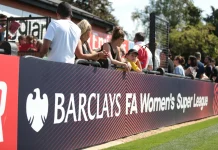
Barclays remains title sponsor, with the agreement renewed last year at an increased value. The title partnership was extended last autumn for three more seasons, widely reported at £45m in total the league’s largest commercial deal to date.
In the week leading into kick-off, WSL Football announced a multi-year Nike partnership that, notably, supplies free boots to players and gloves for keepers without personal endorsement deals and provides the official match balls across WSL, the Championship and the League Cup.
British Gas joined as an official partner. Brokered by Two Circles (now the league’s exclusive sponsorship sales agency), the multi-year deal promises fan activations – free tickets and in-stadia experiences via PeakSave – and sustainability support around pitch protection. The late-week announcement gave opening weekend an extra national-brand headline. Ocean Outdoor, meanwhile, became the league’s digital out-of-home supplier to push highlights and promos across major UK screens.
Panini continues its WSL collectibles (2025 album out), and EA SPORTS FC keeps building the women’s game into Ultimate Team, useful for cross-over reach with younger fans. Subway remains naming partner of the Women’s League Cup.
Club-by-club snapshot (front-of-shirt unless noted)
- Arsenal — Emirates “Fly Better” remains the long-running principal partner; Visit Rwanda continues as sleeve across men and women.
- Aston Villa — Club’s principal partner is Betano (record deal at club level); however, Villa Women opened 25/26 with IWG Global Summit 2026 branding on the shirt for an initial run, with long-term women’s FOS not yet confirmed in comms.
- Brighton — American Express remains the main club partner, with Experience Kissimmee as sleeve across men and women (and active support for the women’s team).
- Chelsea — Front-of-shirt for 25/26 still TBC at time of writing; Škoda UK is renewed and visible on the back of shirt for the women, continuing into this season.
- Everton — Stake.com remains on the front; the club’s retail offers unsponsored variants and the Gambling Commission scrutiny earlier this year kept the deal in the headlines.
- Leicester City — Women’s retail shirts are currently unsponsored on the front; Bia Saigon appears as a sleeve patch option in the club shop.
- Liverpool — Standard Chartered continues as main partner for men and women, with the current term running through 2026/27.
- London City Lionesses — TOGETHXR (the media brand co-founded by Alex Morgan & Sue Bird) lands front-of-shirt with the “Everyone Watches Women’s Sports” message; new two-year Nike kit deal delivered with Pro:Direct.
- Manchester City — Etihad Airways remains the long-standing main partner across the club’s teams.
- Manchester United — Snapdragon (Qualcomm) is now principal across men and women (deal launched 24/25 and continues).
- Tottenham Hotspur — AIA continues as club-wide principal partner; Spurs maintain dedicated women’s partner inventory.
- West Ham United — BoyleSports (bookmaker) is the new multi-year principal/front-of-shirt from 25/26; women’s partners also include Intuit QuickBooks (sleeve) and Modibodi (period-proof underwear, back-of-shorts).
Week-one audiences: what we can (and can’t) say yet
Official overnight ratings for the opening weekend are not yet published by BARB at time of writing; those weekly figures typically follow later in the week.
Last season’s average TV audiences fell year on year as the number of live windows expanded, a pattern the Women’s Sport Trust flagged across women’s sport as availability rises – but total viewing hours and reach still grew.
With Sky/BBC now showing more games and YouTube carrying the rest, expect reach to be the key metric rather than single-game peaks, especially around the new Sunday noon slot.
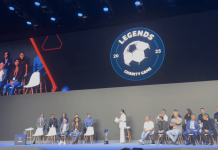
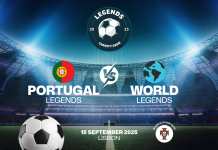
September 15 will see SBC organise a ground breaking charity football event in Lisbon. Make sure you get the chance to see some of the most legendary names in football by securing your ticket today at https://www.legendscharitygame.com/