













British racing will voluntarily shut down on September 10, cancelling four fixtures as the sport rallies MPs over the Treasury’s plan to fold betting and gaming into a single remote gambling duty.
For the first time in its modern history, British horse racing will refuse to race for a day.
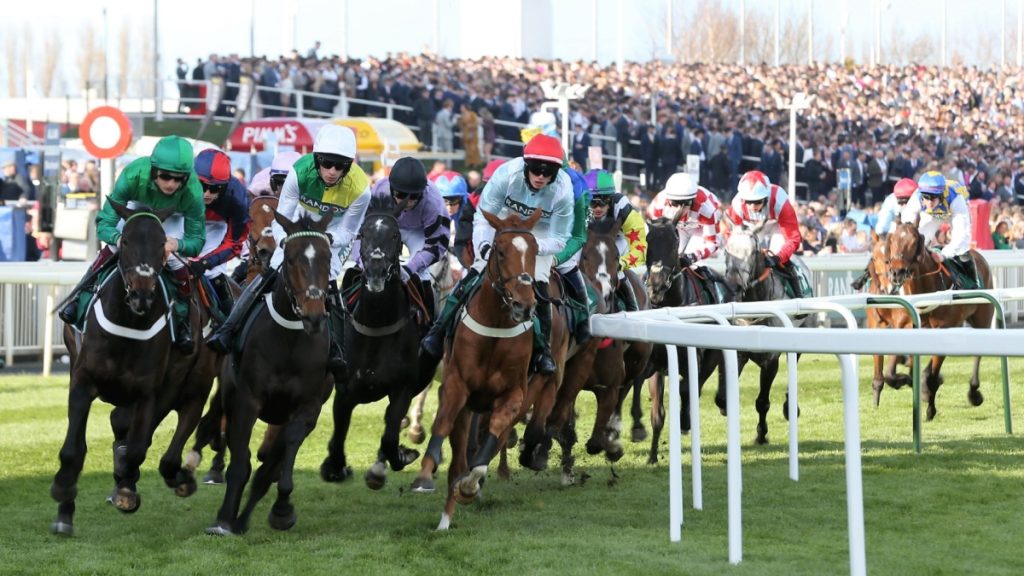
Four meetings – Lingfield, Carlisle, Uttoxeter and Kempton – due to take place on September 10 have been taken off the calendar and moved to 8, 9, 11 and 15 September (with Kempton’s 15 September card pushed to 18 September) so that participants can lobby MPs in Westminster under the #AxeTheRacingTax banner.
The strike lands on the eve of Doncaster’s four-day St Leger meeting, maximising political visibility.
The British Horseracing Authority (BHA) calls the action “unprecedented,” framing it as a coordinated day of engagement with policymakers rather than a walk-out.
“We have decided to take the unprecedented decision to cancel our planned racing fixtures on 10th September to highlight to Government the serious consequences of the Treasury’s tax proposals which threaten the very future of our sport,” said Brant Dunshea, CEO at the British Horseracing Authority.
“British Racing is already in a precarious financial position and research has shown that a tax rise on racing could be catastrophic for the sport and the thousands of jobs that rely on it in towns and communities across the country. This is the first time that British Racing has chosen not to race due to Government proposals.”
The tax proposal that spooked racing
In April, the UK’s Treasury and HMRC opened a consultation on creating a single Remote Betting & Gaming Duty (RBGD) for online gambling, replacing the current trio of General Betting Duty (GBD), Pool Betting Duty (PBD) and Remote Gaming Duty (RGD).
The consultation argues that in a digital environment the long-standing tax split between “betting” and “gaming” has blurred and that a unified regime would reduce complexity. Crucially, the document does not set a rate and says the rate would be decided in a future Budget.
Today, GBD/PBD are 15% for most bets and RGD is 21% on online casino and similar games. Racing fears that “harmonisation” in practice means lifting betting duty toward the 21% gaming rate, eroding bookmaker margins on sports betting and, in turn, racing’s downstream funding (levy, media rights, sponsorship).
Key consultation facts (from the government’s document):
• Replace three remote duties with one RBGD; keep place-of-consumption taxation; exclude premises-based gambling.
• Rationale is to simplify administration; reflect commonalities of remote products; reduce errors/non-compliance.
• The timeline is subject to legislation and systems work, October 2027 or later for implementation.
• Rate setting sits outside the consultation and will be decided at Budget.
The industry’s case
Racing’s governing body and major racecourse groups argue that aligning betting with gaming would depress betting volumes and operator spend that currently sustains the sport.
The BHA cites commissioned analysis suggesting a £330m revenue hit over five years and 2,752 jobs at risk in year one if duty on racing 5m annual attendances.
Stakeholders chose a one-day blackout (estimated c. £200k lost income on the day) to maximise message discipline without permanently sacrificing media-rights value; rescheduling mitigates some commercial pain. The strike’s proximity to St Leger week underscores the stakes.
“By cancelling racing fixtures, we hope the Government will take a moment to reflect on the harm this tax will cause to a sport in which our country leads in so many ways,” says Jim Mullen, CEO at The Jockey Club. “We hope this pause for reflection will enable the Government to truly understand the economic impact of horseracing and its cultural significance to communities across the UK, as well as the world-class racing festivals we host.”
Think-tank support gives the campaign extra cover. The Social Market Foundation urges differentiated duty across products, arguing that remote gaming carries different risks and is currently undertaxed relative to harm, while betting (including racing) warrants a distinct rate.
This is not the government’s position, but it shows an ideational push for product-specific taxation rather than a single blended rate.
Pushback from betting operators and trade bodies
The Betting and Gaming Council (BGC) says the blackout “will only antagonise the Government” and complains of poor consultation. It shares racing’s concern about higher taxes but insists that public gestures risk driving customers to the black market and undermining operator support for the sport.
Large operators have also warned about knock-on effects for investment in racing if duty rises across any part of online gambling. Flutter, for example, briefed that potential increases would force a rethink of UK racing commitments.
“Unlike online casino games, British horseracing makes an enormous contribution to society and employment, has vastly different rates of gambling related harm and is not available every ten seconds, twenty-four hours a day,” says Martin Cruddace, CEO at Arena Racing Company.
“We have always been taxed and regulated differently, and it is imperative for our future that we continue to be so.
What the legislation really says (and doesn’t)
It’s easy to miss the nuance amid the noise.
The consultation proposes a single remote duty and sets out design questions (scope, free-bets treatment, prizes, admin). It does not choose a rate; it explicitly parks that decision to the Budget.
It also excludes shops and casinos (premises-based gambling) from the new duty and keeps spread-betting on a place-of-supply basis. If ministers proceed after analysing responses, officials would target no earlier than October 2027 to switch systems.
Commercial impact: what’s at risk
If duty on remote betting rises, operators are likely to reprice (worse odds), trim promotions/bonuses, and rebalance marketing towards higher-margin gaming products.
Racing fears a chain reaction: lower turnover on racing bets; pressure on media-rights fees; levy growth stalling; and prize-money falling relative to international benchmarks. Those dynamics sit behind the BHA’s modelling of a multi-year revenue squeeze and job losses.
Short-term, tomorrow’s shutdown costs the sport relatively little versus the potential Budget outcome; estimates cluster around £200k in lost income thanks to rescheduling. Medium-term, the Budget decision on the rate matters far more than the administrative reform itself.
The consultation closed on July 21. The Autumn Budget now has a confirmed date – November 26 – where the Chancellor could set an RBGD rate or outline next steps. Racing’s timing aims to shape that decision while MPs are still digesting stakeholder submissions.