


The US debut of Baller League could be the spark American football fans have been waiting for.
The Baller League is going to attempt to rival the FIFA Club World Cup for attention, following its US launch unveiling.
The six-a-side indoor football competition combines skill with gamified entertainment. Originally launched in Germany in 2024, the league quickly expanded to the UK and now makes its US debut in Miami, Florida.
The league features 12 teams of 12 players, each managed by a high-profile figure from sports, music or streaming.
Seven managers have already been confirmed, including Brazilian legend Ronaldinho, Olympic icon Usain Bolt, NFL superstar Odell Beckham Jr., viral entertainer Druski, Twitch stars xQc and Marlon, streaming collective AMP with Kai Cenat and global sensation IShowSpeed, who will serve as president of Baller League USA.
Matches run 30 minutes, split into two 15-minute halves. The final three minutes of each half feature “gamechanger” rules that can dramatically alter the outcome, including 3v3 play, double points for long-range goals and goalkeepers restricted from handling the ball.
The Baller League has proven its appeal in Europe with sold-out arenas, 3 billion weekly social impressions, major broadcast deals including Sky Sports and streaming-first coverage on Twitch and YouTube with behind-the-scenes content for younger audiences.
World Cup ambitions are high
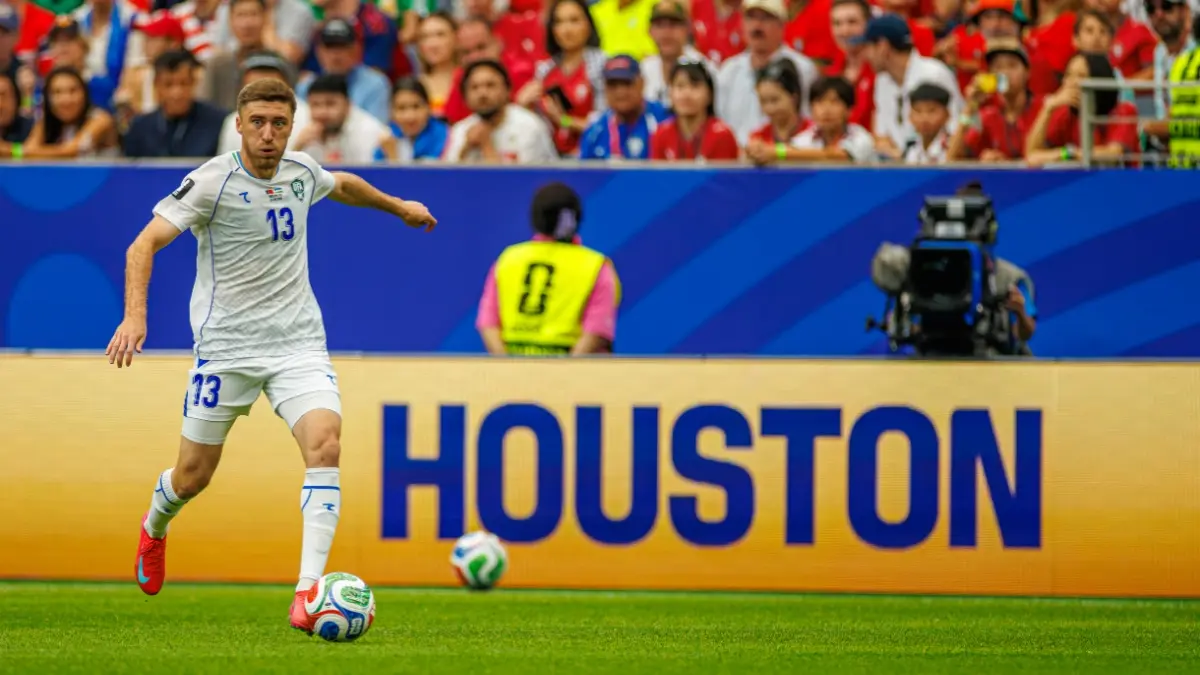
The 2026 FIFA World Cup will see games take place across Canada, Mexico and the US. FIFA knows the US represents the biggest commercial opportunity of the three nations, but also the toughest challenge, as football – or soccer as it is known locally – still trails behind American football, basketball and baseball in popularity.
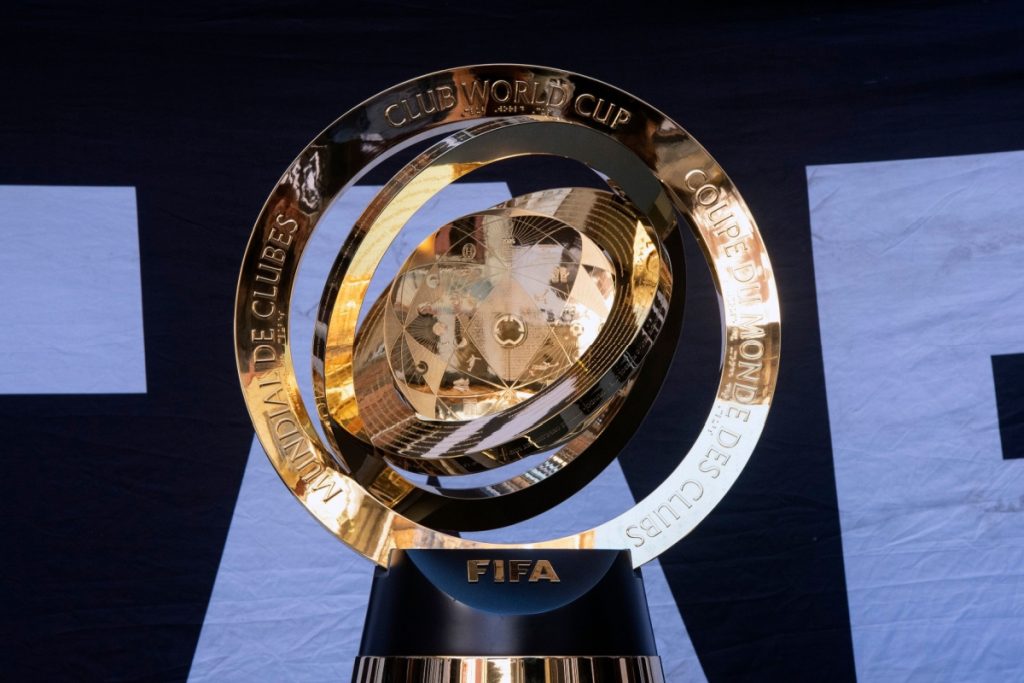
FIFA has been trying to bring the sport closer to American audiences to hopefully build up a stronger US fanbase. Earlier this year, this strategy took the form of the Club World Cup.
The build-up to the Club World Cup was filled with controversy, with FIFA expanding the tournament amid already packed club schedules. However, the organisation remained resilient and pushed hard to maximise commercial impact and draw Americans into the football spectacle.
Where the Club World Cup Fell Short
Despite FIFA’s best efforts, the Club World Cup struggled to fully capture American fans’ attention.
Attendance across US stadiums was inconsistent, particularly during the group stage. Many games were scheduled between 12:00–6:00pm when most Americans were at work or commuting. Only nine of the 48 group-stage matches reached 90% capacity or more, while eight of 15 knockout games hit that mark.
Even with big-name European clubs like Manchester City and Paris Saint-Germain (PSG), local engagement never reached the highs FIFA would’ve hoped for.
TV audiences peaked for the final, with Chelsea’s against PSG drawing 2.4 million viewers on the UK’s 5 network. DAZN, which held global rights, reported reaching almost 80% of football fans worldwide across its digital platforms, including heavy engagement with non-live content.
However, in-stadium atmospheres, a good indicator of local support, felt muted during lower-profile group-stage games, highlighting a disconnect between global digital interest and American fans.
Meanwhile, MLS players raised concerns over prize money distribution under the league’s collective bargaining agreement, with Seattle Sounders players staging visible protests.
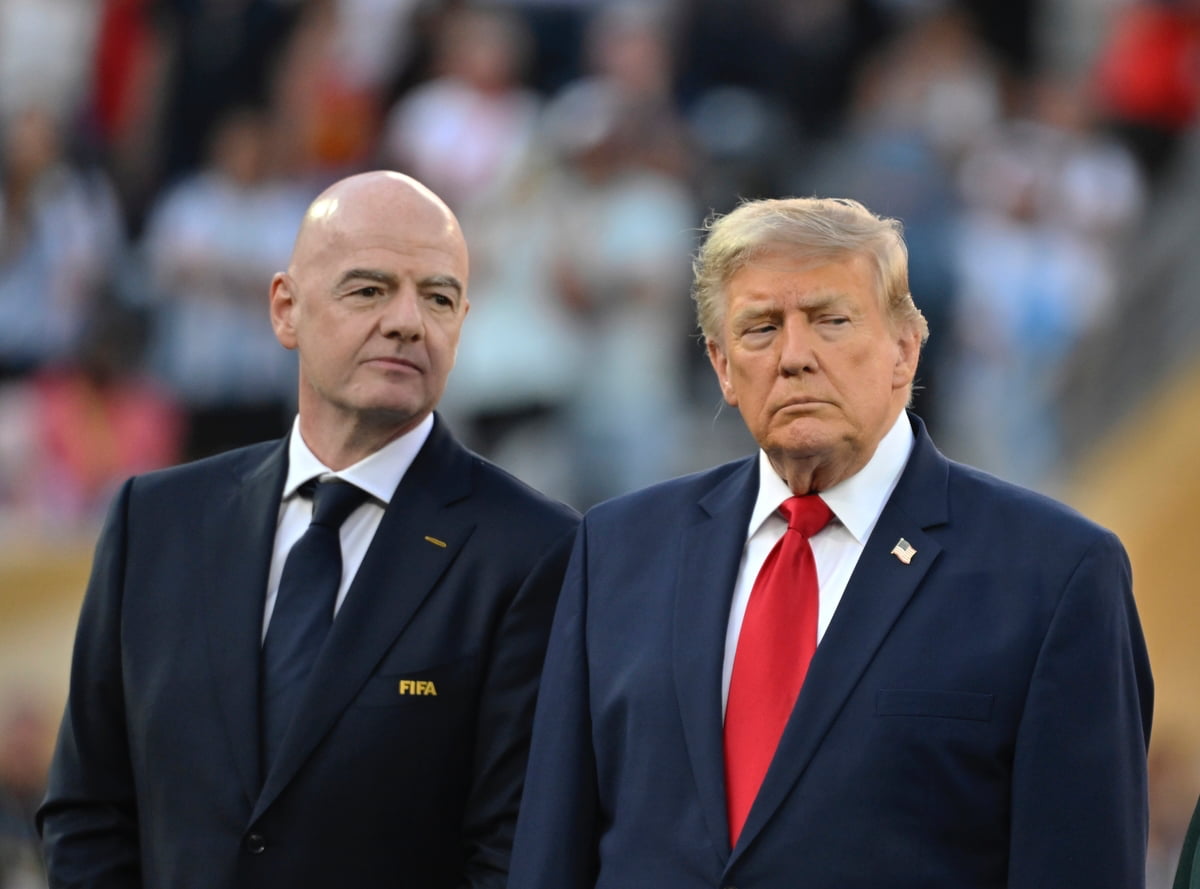
Adding to the awkwardness, the final’s trophy presentation featured FIFA President Gianni Infantino alongside US President Donald Trump. While intended to draw attention, it created an unusual scene on stage, with some players reportedly unsure whether Trump should remain during the ceremony.
So, while FIFA Secretary General Mattias Grafström described the tournament as a “global success”, it arguably fell short of generating real excitement for the World Cup on the streets of America.
Built for US Audiences
While FIFA tried to appeal to American fans with the Club World Cup, adding touches like individual player entrances, the tournament still followed traditional football formats.
The Baller League, however, is built for the US audience. Its 30-minute matches and “gamechanger” moments create nonstop action and highlight-worthy plays, much like basketball’s shot clock.
Celebrity managers boost the league’s reach. IShowSpeed alone has 40.4 million Instagram followers, far more than Chelsea’s Cole Palmer, one of the Club World Cup’s most recognisable players, who has 8.3 million.
Odell Beckham Jr., Usain Bolt and streaming stars xQc and Kai Cenat also bring cultural relevance and built-in fanbases, driving attention across social platforms.
FIFA shouldn’t see the Baller League as a rival. Featuring its stars or leveraging the league’s buzz could help the 2026 World Cup finally connect with American audiences. Done right, Baller League’s energy and celebrity power could draw in casual fans and achieve what the Club World Cup fell short of.