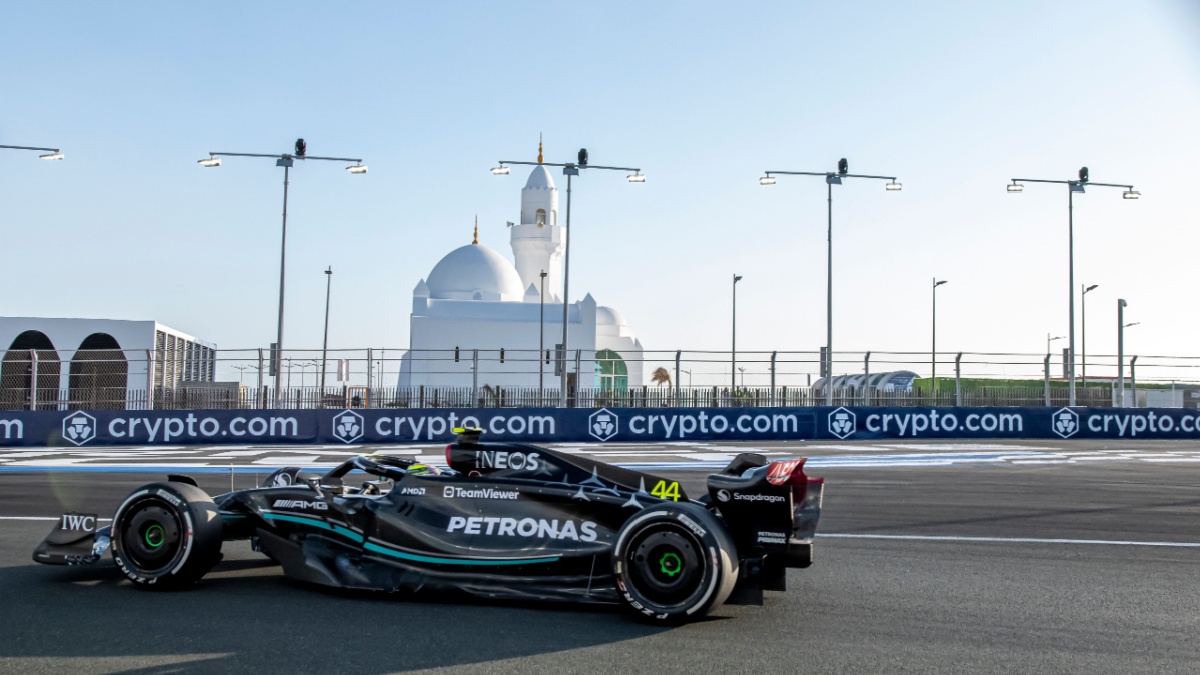



Formula 1 told Insider Sport how team radio and new broadcasting tools are improving storytelling and bringing fans closer to the action.
When Leicester City won the Premier League in 2016, the club’s story captured the world’s attention. Today, sports face the challenge of replicating the same emotional impact in the space of just 90 minutes rather than across an entire season.
Formula 1 (F1) has become a leader in doing exactly that, packing heartbreak, tension and triumph into every race. One of its most powerful tools to so is team radio.
Team radio provides fans access to the sport’s rawest moments. However, what fans do not see is the intense process behind the scenes, with producers having only seconds to choose which clips to air while listening to up to 20 live driver channels at once.
Insider Sport was invited to F1’s Media and Technology Centre in Biggin Hill last week, where Dean Locke, Director of Broadcast and Media, offered a look into the editorial process. He likened F1 to golf in terms of simultaneous action but added with a smile, “we’re a little bit quicker.”
This speed adds complexity which is most evident during qualifying, Dean explained. “We’re lucky if there aren’t two stories happening at the same time. But often, in the last run, you’ve got 10 stories all unfolding simultaneously. Our core part is to go with the best action and show as much of it as possible.”
He emphasised every decision made by producers must balance speed, context and clarity. “It’s about keeping the story accurate and engaging without misrepresenting what’s happening on track,” he said.
Making the right call
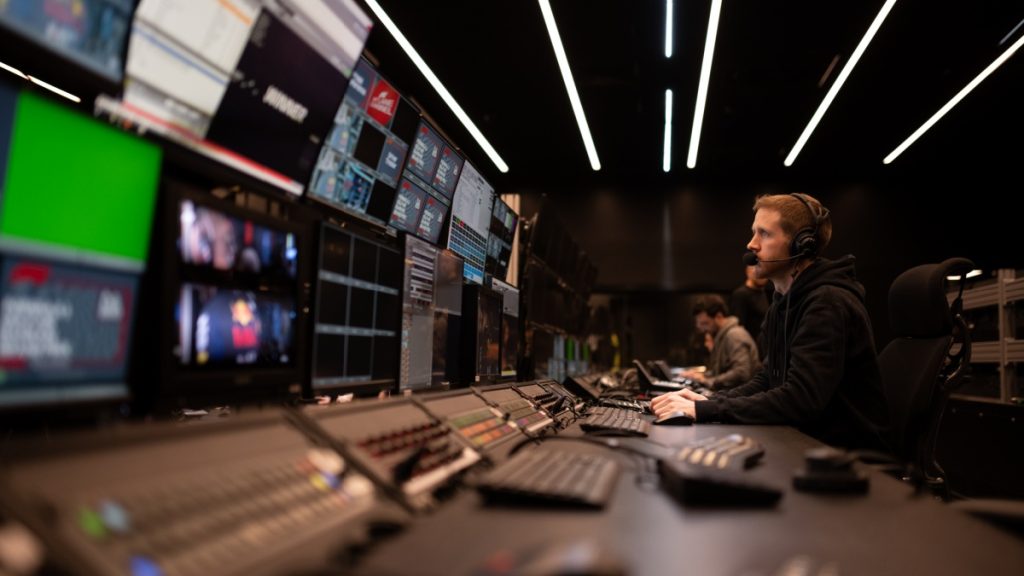
While on its tour of F1’s Media and Technology Centre, Insider Sport experienced what a producer hears when deciding which team radio clips to use, moments which can improve on-track action or reveal new stories.
The following audio clip lets you hear exactly what producers listen to when deciding which radio moments to broadcast.
On top of these split-second choices, producers also carry a weight of responsibility. “Your athlete is in a car with a crash helmet on, in a cockpit going 200 miles an hour, and we have full emotion. So there is a responsibility there. You have to ask, is there something they may regret? We have to protect them a little bit,” Locke explained.
The team works with around a 15-second delay, which allows them to edit clips for clarity and quality before they go live. “It just gives us that time to bring up the radio, possibly bleep the driver if we have to and make an editorial decision. Is this in context? Are we sensationalising it? Or does it actually tell the story?”
Locke stressed the aim is not to chase controversy but to capture truth. “We’re not a mouthpiece for the driver. We’re trying to be honest to the narrative and really engage with the fans. Sometimes a driver might be critical of the team without all the facts, and we have to be careful about misrepresentation.”
Staying ahead of the curve
While team radio provides an element of storytelling not many other sports can offer, sometimes the most engaging content isn’t happening on the track. Locke explained how the broadcast team works to capture the cars as well as the atmosphere around them. Cameras track grid preparations, post-race podiums and the crowds, giving viewers a sense of place at circuits from Monza to Abu Dhabi.
“If we just did tight shots of cars on track, you wouldn’t know what track you’re at,” he said, highlighting how unique Formula 1 broadcasting is compared with stadium sports, where action tends to happen in one fixed location.
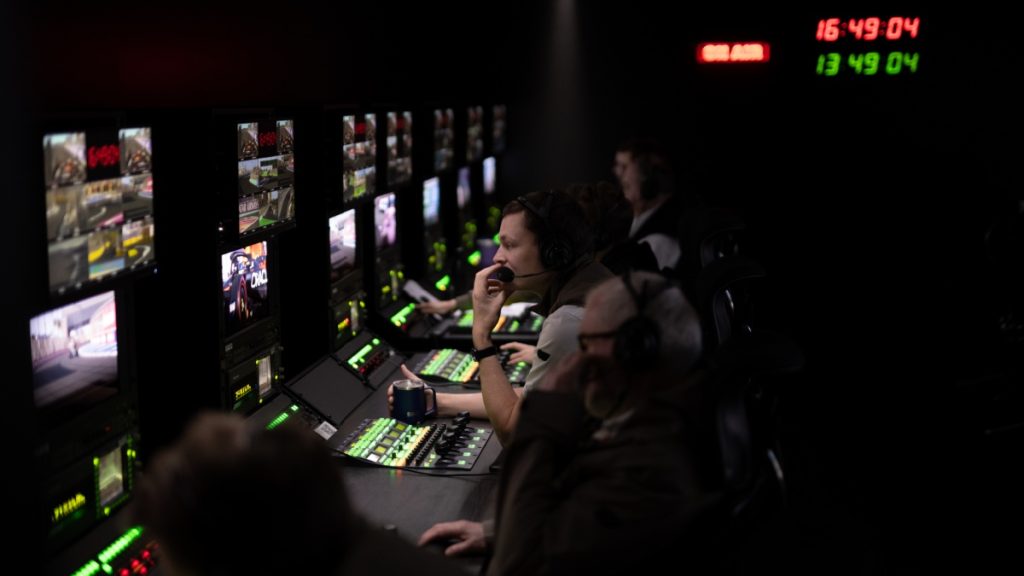
New broadcast tools are helping F1 cover all bases. Picture-in-picture graphics, live clocks and sidebars let producers track several battles at once, keeping an eye on both the leaders and the drama further down the field.
According to Locke, these systems evolve continuously. What works at the start of the season may be redeveloped as technology allows more flexibility and resilience, ensuring broadcasts remain immersive.
“I think there’s an expectation for Formula 1 to be on the front of that curve. Sports broadcasting is generally on the front of technology anyway and for us to be in front of that is the right thing to do and the path forward,” he said.