


Atlético Madrid has joined a growing list of European football clubs under US ownership, but will be there be a certain Chinese-based firm kicking themselves for divesting years ago?
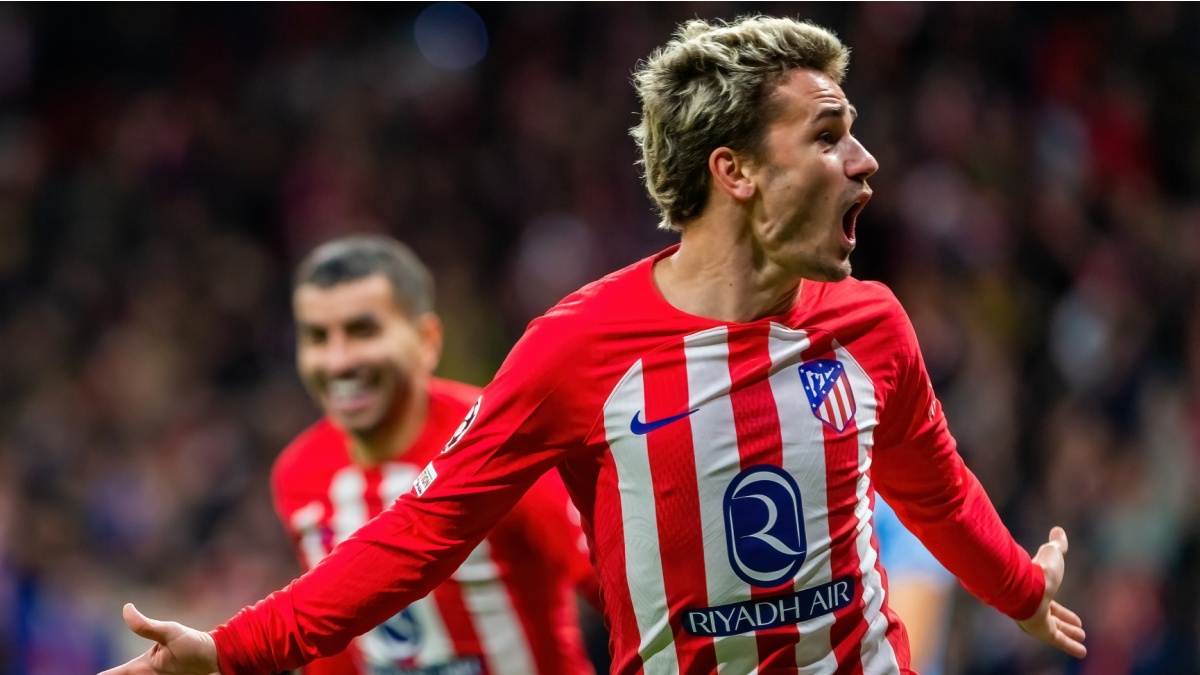
Atlético Madrid has confirmed US-based investment firm Apollo Sports Capital will become its majority shareholder, taking a 55% stake in the club.
Announced on November 10, the deal values the LaLiga side at around $2.31bn and is expected to close in early 2026, subject to customary approvals.
Club CEO Miguel Ángel Gil and President Enrique Cerezo will remain active shareholders and continue to lead day-to-day operations.
“We are very proud to welcome a committed new partner to the club,” said Gil. “Apollo Sports Capital is a powerful ally who respects the history, traditions and defining identity of Atlético de Madrid and its fans, while bringing additional strength and enthusiasm to help maintain our growth and competitiveness.”
He added it was important to select a “long-term investment partner who believes in our strategy,” describing Apollo as an investor with a track record of backing sports, media and entertainment assets with a long-term focus.
Apollo Sports Capital is part of Apollo Global Management, one of the world’s largest alternative investment firms and has previously supported large-scale sports infrastructure and content ventures in the US and Europe.
Atlético’s Ciudad del Deporte vision
John Lambros, Co-head of Houlihan Lokey’s US Technology Group and Head of Digital Media and Entertainment, told Insider Sport football clubs today are about more than what’s on the pitch.
“Private equity now views sport not as a trophy, but as a scarce, IP-rich industry in an ecosystem of global audiences, contractual, recurring revenues, and a finite number of teams with potential worldwide brand value,” said Lambros.
He added that funds increasingly see sport as “a distinct investment category, much like music and other creative industries, where underlying alpha in marketing, fan connectivity, and digital expansion remains largely untapped.”
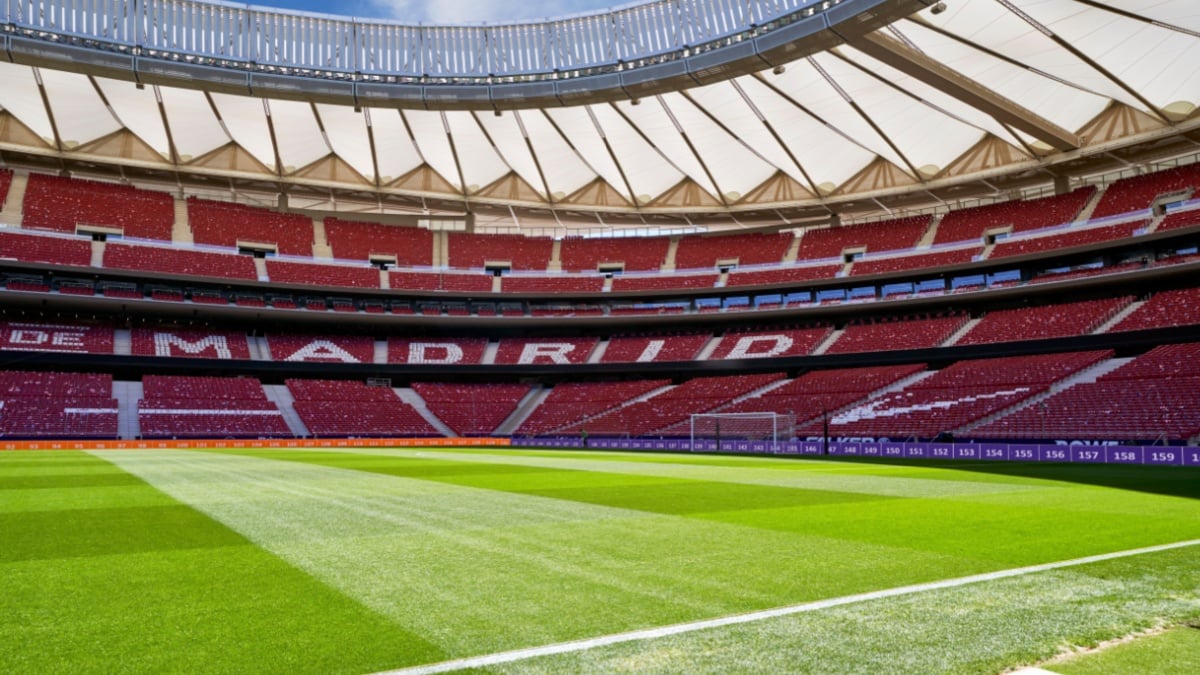
Atlético’s example of this is Ciudad del Deporte, the club’s sports and leisure district project being developed in partnership with the Madrid City Council near the Civitas Metropolitano Stadium. The initiative includes training facilities, retail, hospitality and public spaces designed to generate year-round revenue.
Apollo Partner and Co-Portfolio Manager Robert Givone said the firm’s investment aligns closely with the vision. “We’re excited to back the team and honour its spirit and traditions, and to add value in areas where we excel, such as growth of the Ciudad del Deporte and enhancing the fan experience,” he said.
“Supporting the ambitious plans for the sports city can create significant value for both the club and the local economy.”
Alexander Jarvis, Founder of Blackbridge Sports LLC, a sports investment firm involved in deals with European clubs including Benfica, said projects like Ciudad del Deporte are a major draw for investors.
“Real estate is now a core pillar alongside media rights,” Jarvis explained. “US private equity favours real assets, and Atlético’s ‘Ciudad del Deporte’ by the Metropolitano is a €350m-plus mixed-use plan aimed at year-round revenue. It will not replace the upside from media rights or developing and selling players, but the real estate will support a higher valuation.
“Miguel Ángel Gil Marín has done a magnificent job at driving value and getting the stadium completed to a high standard. For someone who is so quiet, he made quite a lot of noise in the media this week.”
Will Wanda have regrets?
In his statement, Gil also thanked Chinese conglomerate Wanda Group, noting “Atlético would not be in the position it finds itself today without the support” of the company.
Wanda first invested in Atlético Madrid in 2015, acquiring a 20% stake and securing naming rights to the club’s Metropolitano Stadium. The group sold its shares in 2018 for a reported €50m, as part of a wider divestment of overseas assets during China’s clampdown on foreign investments.
Atlético’s valuation at the time was considerably lower than today’s $2.31bn figure.
Jarvis told Insider Sport that Wanda’s exit reflected both internal and regulatory pressures. “They exited before the Metropolitan area really commercialised,” said Jarvis.
“Apollo are latecomers to the current wave of US private capital entering the space, but they are huge, and many will follow on the back of them entering the equity space.”
Jarvis believes Wanda’s decision was driven largely by internal pressures, saying “they may have underestimated the stadium’s commercial potential, but if Beijing wants you to sell, you have to sell.”