


The UK government has highlighted the socio-economic impact expected from EURO 2028, in what will be the first men’s international tournament held in the UK since EURO ‘96.
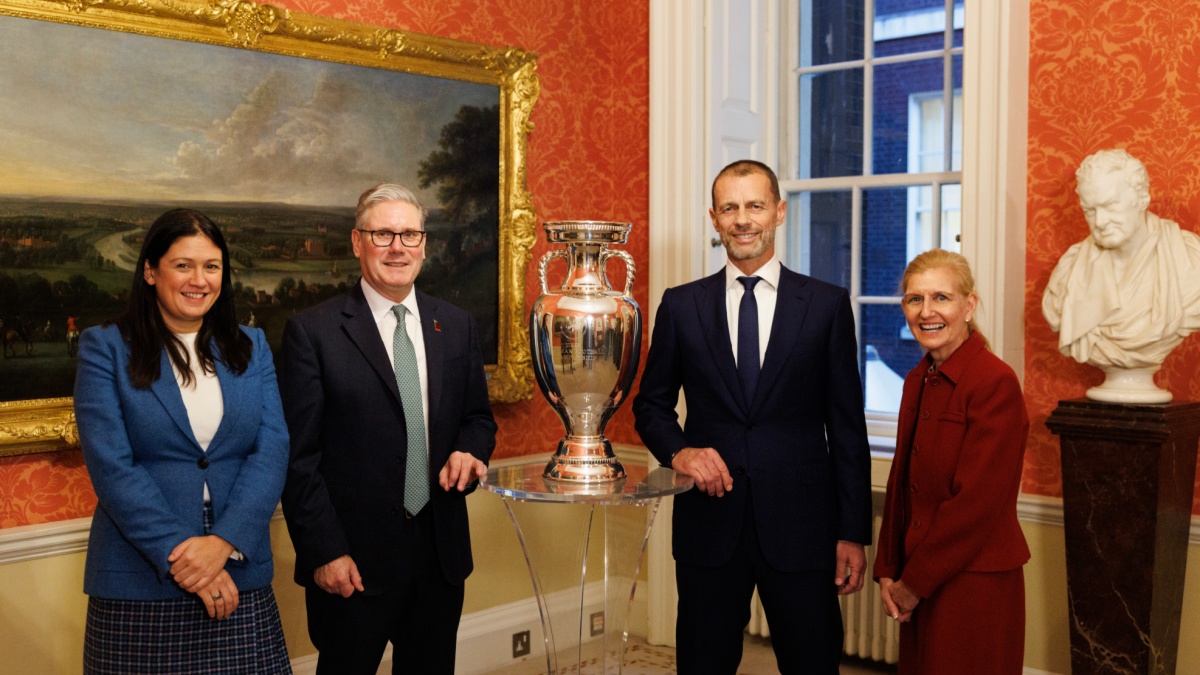
UK Prime Minister Keir Starmer has said the EURO 2028 competition will “deliver billions in economic benefits” after hosting an event at 10 Downing Street on November 12.
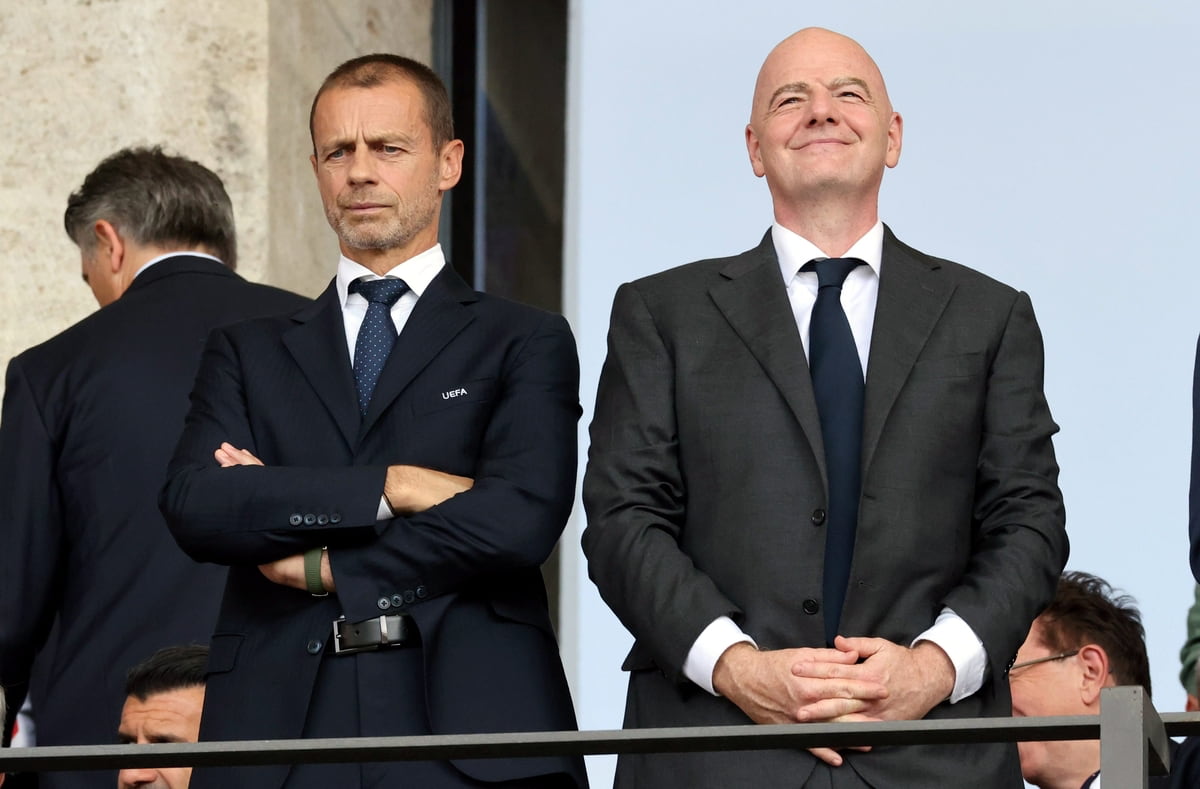
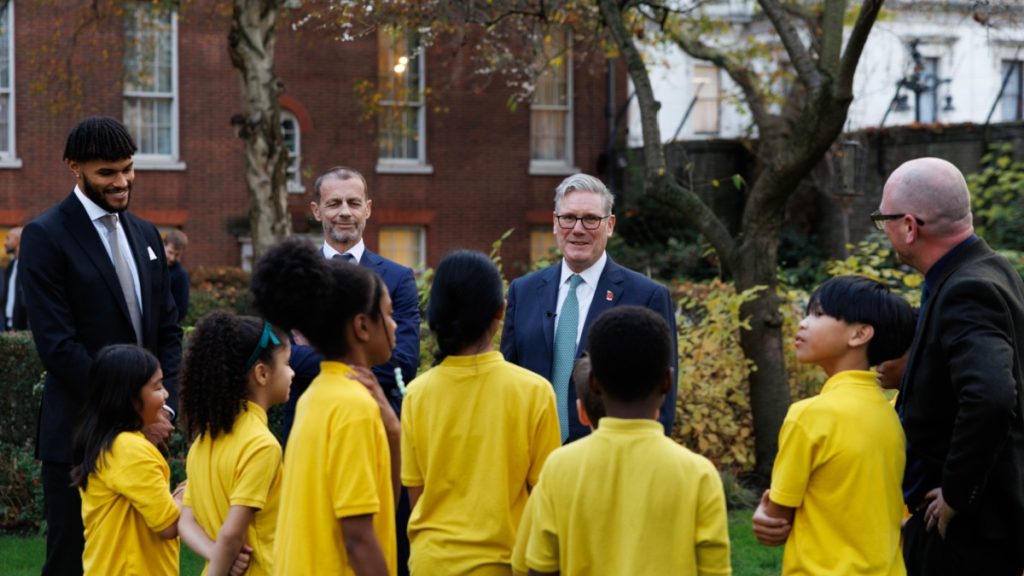
The event, attended by Starmer, Culture Secretary Lisa Nandy, England international footballer Tyrone Mings and UEFA President Aleksander Čeferin, celebrated the official unveiling of the tournament schedule and host cities.
With matches to be played across England, Scotland, Wales and the Republic of Ireland, the Starmer spoke about the social and economic impact the competition is expected to have across the nations.
The government predicts EURO 2028 will deliver £3.2bn ($4.21bn) of socio-economic benefits across the UK, supported by government investment of up to £557m. The tournament is expected to create jobs, boost regional growth and attract a surge of international visitors to local economies.
“UEFA EURO 2028 will be the biggest sporting event ever jointly hosted by the UK and Ireland and, as a lifelong football fan, I know how much international competitions like this matter,” said Starmer.
Building a legacy
Alongside the economic impact, the UK and Irish governments, together with football partners, have pledged around £45m to a new social impact fund. The UK Government will contribute £23m to deliver initiatives aimed at uniting communities and supporting grassroots sport from 2026 through to 2030.
“The summer of 2028 will be a massive moment for the whole of the UK and Ireland as we welcome football fans from across Europe,” said Nandy.
“Football reaches people like nothing else – it crosses every boundary, speaks every language, and has the power to bring together communities in ways that other things simply cannot.”
She added activities linked to EURO 2028 would begin well before the tournament and continue afterwards, creating opportunities for young people and local businesses while driving investment into host cities.
Reminiscing about past tournaments
EURO 2028 will be the first men’s international football tournament to be fully hosted across the UK and Ireland since EURO ‘96.
According to a research paper titled ‘The economic impact of major sports events: a case study of Sheffield’ by Nigel Dobson, Head of Sports Services at Ulster University, more than 280,000 visitors travelled to England for EURO ‘96, generating £195m in additional spending and contributing £64m in taxes..
With 24 teams set to compete in 2028, up from 16 in 1996, and with the growth of global broadcasting and commercial revenues, the impact of the upcoming tournament is expected to be significantly greater.
During the Women’s EURO 2025 in Switzerland, Visa reported participating countries spent 27% more across Switzerland during the tournament’s first week compared to the same period in 2023. Much of this growth came from restaurants and retail, where spending rose by 35% and 30%, respectively.
In Bern, restaurant spending nearly doubled, rising by 97%, while Lucerne and Basel also saw increases of 70% and 60%. Smaller host cities saw even stronger results, with entertainment spending in Sion more than doubled, up 127%, while Thun recorded a 242% surge. Zurich also reported a 40% increase in transportation-related spending.
“This tournament will bring fans from across Europe to iconic footballing cities like Birmingham and Glasgow, inspire the next generation to lace up their boots, and deliver billions in economic benefits,” said Starmer.