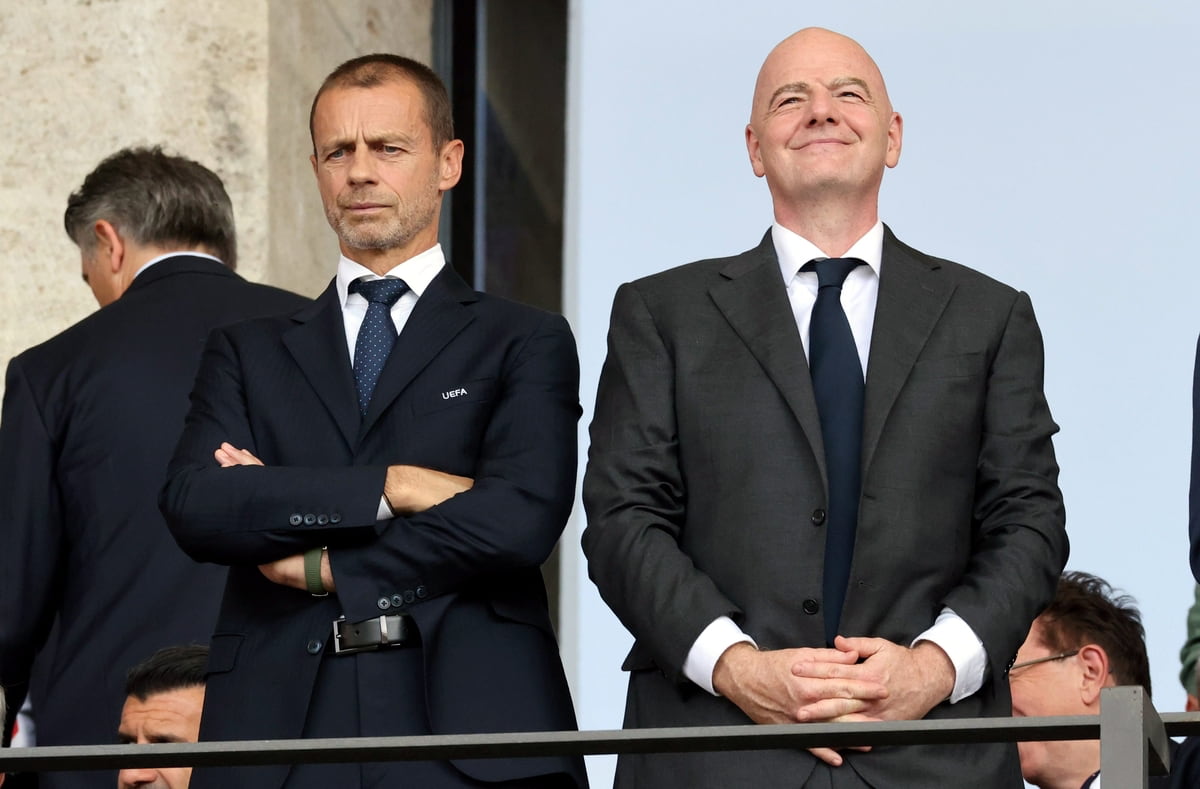



UEFA has revealed cities and stadiums hosting EURO 2028, with Old Trafford and Anfield notably missing from the list.
UEFA has confirmed the nine stadiums for EURO 2028, set to take place across the UK and Republic of Ireland.
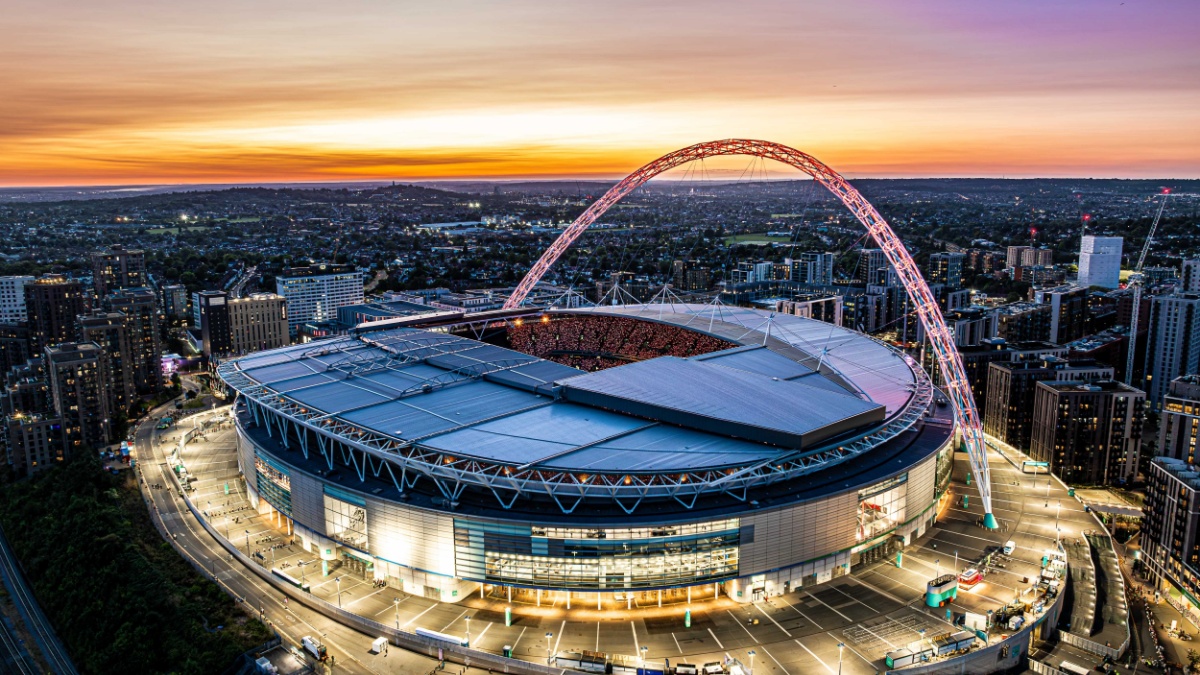
The 51-match tournament will kick off on June 9, 2028 at the National Stadium of Wales (Principality Stadium) in Cardiff, with the final to be held at London’s Wembley Stadium on July 9. England, Scotland, Wales and the Republic of Ireland are joint hosts, with matches spread across eight cities and four countries.
Nine stadiums have been selected, including Cardiff’s National Stadium of Wales, Dublin Arena (Aviva stadium), Hampden Park in Glasgow, St James’ Park in Newcastle, Manchester City Stadium (Etihad Stadium), Everton’s Hill Dickinson Stadium, Villa Park in Birmingham, Tottenham Hotspur Stadium and Wembley Stadium in London.
Each venue will stage a minimum of two different groups, with UEFA stating this will allow local fans to see a variety of national teams during the group stage.
A chance to show off
It is common for host nations to build new stadiums ahead of major tournaments. In the UK and Ireland, however, there is no shortage of world-class football venues. Being selected as a EURO 2028 host allows clubs and architects to showcase their stadiums on the international stage.
Everton’s Hill Dickinson Stadium will make its international tournament debut. Built on the historic Bramley-Moore Dock in Liverpool, it has already earned praise for hosting the 2025 Rugby League Ashes between England and Australia.
Newer stadiums in English football are often met with caution from supporters, particularly after West Ham United’s move to the London Olympic Stadium, which drew criticism for its atmosphere.
Tottenham Hotspur’s Stadium, opened in 2019, has been widely lauded for its modern design and facilities. The club will aim to impress international visitors during the tournament.
The biggest matches of EURO 2028 will take place at Cardiff’s National Stadium, Glasgow’s Hampden Park, and Wembley Stadium, which will host both semi-finals and the final.
Tournament format unchanged
EURO 2028 will follow the same format used since EURO 2016, with 24 teams competing across six groups. The top two in each group, along with the four best third-placed finishers, will progress to the knockout stage.
Hosts are not automatically guaranteed qualification. However, if any of the home nations fail to qualify through the standard routes, UEFA may grant a host berth to ensure local participation.
To maintain sporting fairness, UEFA has stated that teams will not play their quarter-final match in the same venue as their round of 16 fixture.
Big names miss out
Notably, Manchester United’s Old Trafford and Liverpool’s Anfield, two of English football’s most iconic stadiums, will not feature in the competition.
Old Trafford was ruled out due to planned redevelopment work, while Anfield does not meet UEFA’s minimum pitch-size requirements.
Former Manchester United player Gary Neville criticised the club’s owners, the Glazer family, in 2023 when Old Trafford’s exclusion was confirmed.
“They have overseen a decline for 20 years in which it has gone from being one of the best stadiums in the world to one that can’t even get into the top 10 in the UK and Ireland. This is an all-time low,” he said at the time.
“That it is not in the best ten to host a tournament is a joke. There has been no investment. It is a rusty stadium. This is a dereliction of duty. It is shameful.”
Manchester United is planning to build a new stadium, but the club is locked in negotiations for a piece of land which would be essential to starting the project.