In this preview of Insider Sport’s full interview, Pavol Neruda, Co-founder of OKTAGON, shares his thoughts on match-fixing risks and the betting pressures facing MMA.
As several major sports organisations around the world face betting-related scandals, Pavol Neruda, Co-founder of OKTAGON, believes match-fixing is still not “a big problem” for his MMA promotion.

Speaking to Insider Sport, Neruda argued OKTAGON’s size, profile and partnerships with major bookmakers give him confidence the promotion is protected from integrity breaches. “We’re too big for these things… our fighters don’t want to risk their careers for this,” he said.
Neruda’s confidence may come as a surprise to many, with betting-integrity issues popping up across global sport. Recent months have seen allegations of manipulation hit the UFC, NBA, MLB and Turkish football, leading to FBI investigations, athlete suspensions and a debate over the relationship between sports and gambling.
A new Pew Research Center survey found 43% of US adults now say sports betting is bad for society, up from 34% in 2022.
Betting adds complexity
Despite his optimism, Neruda said the growing integration of betting, sponsorship and athlete promotion “definitely makes things more complex”, especially as OKTAGON expands its commercial footprint across Europe.
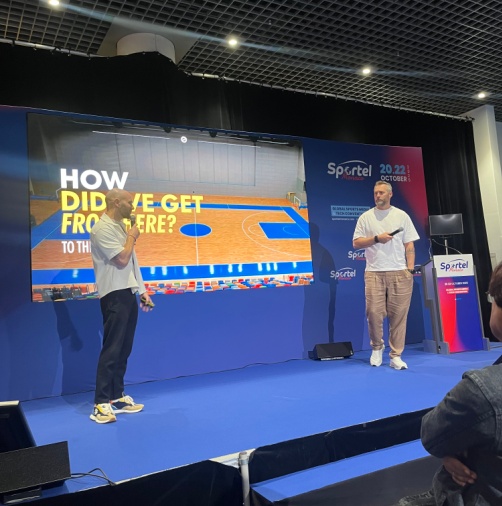
Speaking at SPORTEL Monaco in October, Neruda and fellow Co-founder Ondřej Novotný highlighted OKTAGON’s growth. Over the past 12 months, the promotion has generated 2.3 billion social media impressions and what began as a small organisation has grown to sell out football stadiums, including 60,000 fans in Frankfurt for its biggest event to date.
Betting partnerships have been a key part of the organisation’s growth. Last year, OKTAGON announced a deal with SkyBet, which Neruda said “exemplified” the promotion’s expansion in the UK and Ireland.
With increased visibility, however, comes increased scrutiny. Neruda said promotions must work harder to demonstrate legitimacy to betting partners and regulators, noting integrity management has become a more important part of commercial negotiations.
Asked whether enough is being done industry-wide to educate fighters about gambling rules and manipulation risks, Neruda said “no”, arguing much of the current system relies on personal ethics and fear of consequences rather than structured guidance.
“We can do more to educate fighters,” he said. “Most people act from the moral, but explaining the risks would be helpful.”
Low threat, high consequences
Neruda believes MMA’s structure makes match-fixing less appealing than in team sports, where individuals can influence outcomes without carrying full responsibility. “For fighters, it is so hard to get to a big stage like OKTAGON… to ruin that because of a bet, it is not worth it,” he said.
While he sees the overall threat as low, Neruda said promotions and federations should collaborate to create clearer standards and shared educational frameworks to protect the sport’s reputation as it grows.
The full interview with Pavol Neruda, covering integrity monitoring, athlete screening, betting partnerships and the future of MMA regulation, will be published on November 26.