


James Flude discusses how MatchWornShirt is turning matchday moments into global collectibles and why a new generation of fans is engaging with memorabilia like never before.
Match-worn kits are sporting artefacts, each carrying the story of a specific game, moment or emotion, whether positive or negative. The desire to own a shirt from a match has always existed, but a new generation of fans is engaging with collectibles more than ever before.
What has changed is the scale and accessibility of the demand, with digital platforms, live auctions and authentication changing memorabilia from a niche pursuit into a global market.
MatchWornShirt has been at the forefront of this shift, helping clubs and leagues turn moments into authenticated, story-driven collectibles. Insider Sport spoke to James Flude, Head of Business at MatchWornShirt, about how demand is evolving, how technology is protecting collectors and where the market is heading next.
What have been MatchWornShirt’s biggest milestones over the past year, particularly in terms of new club partnerships and international expansion?
Over the past year, we’ve reached a number of really significant milestones that reflect both the scale of our ambition and the trust that some of the world’s most recognisable sporting institutions are placing in MWS.

From a brand perspective, bringing in new global iconic partners such as the Chicago Bulls has been a major moment for us, not only because of the stature of the Bulls brand, but because it underlines the growing appetite for authenticated, game-worn products, beyond football. At the same time, we’ve continued to strengthen our position within football, with new agreements with the likes of Bayern Munich, Manchester City and Arsenal – and the maturity of our existing partnerships has ensured some truly iconic sporting moments have been featured on our platform. Tottenham Hotspur’s Europa League final shirts and Scotland’s historic World Cup Qualification stand out as some of the highlights this year.
On the international front, we have made some significant progress ahead of what is going to be a massive year in 2026. We have confirmed partnerships with all three host countries in the US, Canada and Mexico, and added the England and Portugal FAs to our portfolio. These relationships highlight a broader shift in how national organisations are engaging with fans outside of major tournament cycles, and the growing demand for authenticated memorabilia tied to iconic moments on the international stage.
What do clubs look for most when choosing an official memorabilia partner, and how does MatchWornShirt differentiate itself in an increasingly competitive space?
Ultimately, I think it comes down to operational excellence – what we consistently see is that clubs are looking for more than a transactional memorabilia partner. It’s about trust and the ability to deliver at scale, without adding complexity to an already demanding matchday environment. We manage the entire end-to-end process – from on-site collection and rigorous authentication protocols, through to storytelling and global fulfilment – which removes operational burden for clubs and ensures consistency in quality.
From a brand positioning perspective, it’s also that our auctions are live straight from kick off – something that is completely unique to us – as it gives our partners supporters both in the stadium and around the world the opportunity engage with their club in a very unique way. This, combined with the charitable element of our deals – which almost always see a % of revenues generated from our sales invested within club foundations or fundraising initiatives – ensures that we deliver against multiple performance metrics for the partners we work with.
Live online auctions sit at the heart of MatchWornShirt’s model. How have bidding behaviours and price dynamics evolved over the past year, and what factors most influence demand for match worn and signed shirts?
Demand is driven by a combination of factors: the significance of the match, the profile of the player, and the scarcity of the item on our platform. Match-worn, signed shirts are one of a kind – people can’t get these items from anywhere else, so the uniqueness is ultimately what drives demand to our platform. We’ve also seen fans respond strongly to auctions tied to charity campaigns or milestone moments. It’s not just about ownership; it’s about being part of a story.
Fans have the ability to bid in real-time from the moment a match kicks off, so an auction can now become part of that wider sporting experience. We see a direct correlation in-game between special moments and their respective products, and it adds an additional layer of excitement and engagement, to track products in real-time. Ultimately, the market is more engaged, informed and connected than ever and you see bidding and purchasing practices reflecting this.
How has MatchWornShirt invested in technology, certification and processes to protect collectors and maintain confidence as volumes and values increase?
Our certification and authentication processes are incredibly robust. Every shirt or item undergoes thorough verification, before being prepared for auction or delivery. On the technology side, Fabricks has been a major step forward, linking each item to a digital certification of authenticity via NFC-chip technology. This not only safeguards collectors but also adds a layer of transparency and trust that is increasingly expected in today’s market.
AMatchWornShirt operates across multiple sports, including football, cycling, rugby and cricket. How does demand differ between sports, and do you see opportunities to expand further into new disciplines or regions?
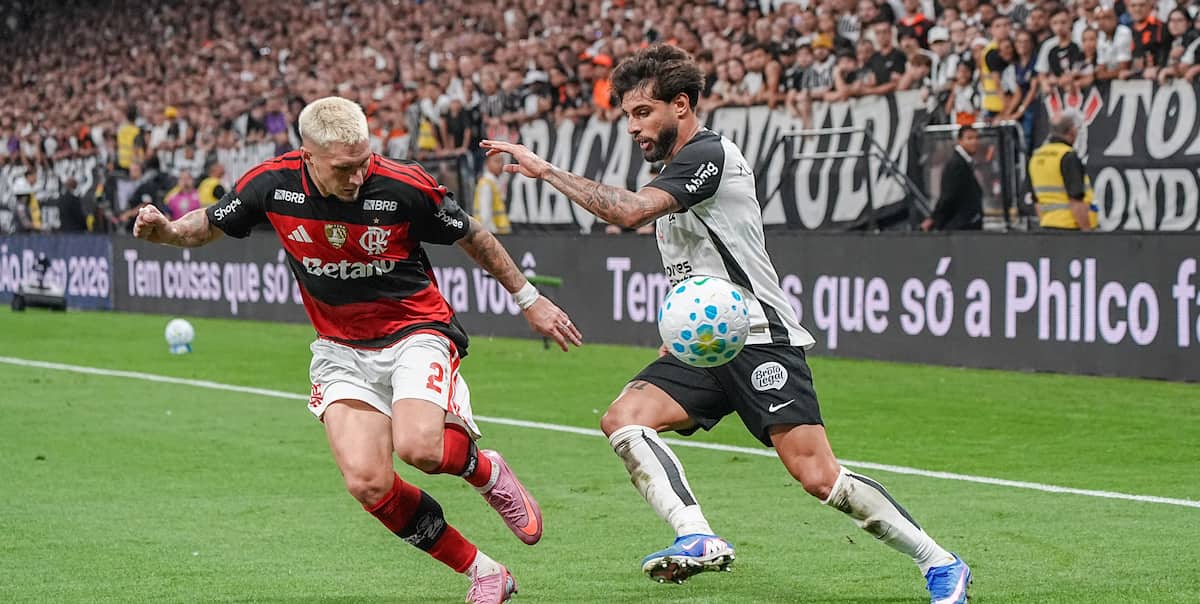
Football is where we started out; it’s an area we’re well-known for and established in and where our business will always gravitate to naturally. It’s also a sport that truly defies geography, with some of the big name players drawing fans from across the world – that’s why we’ve seen bids in excess of €50,000 for the likes of Lionel Messi, Marquinhos, Son Heung-Min and Cristiano Ronaldo – but also delivers consistent demand for clubs at all levels of the footballing hierarchy.
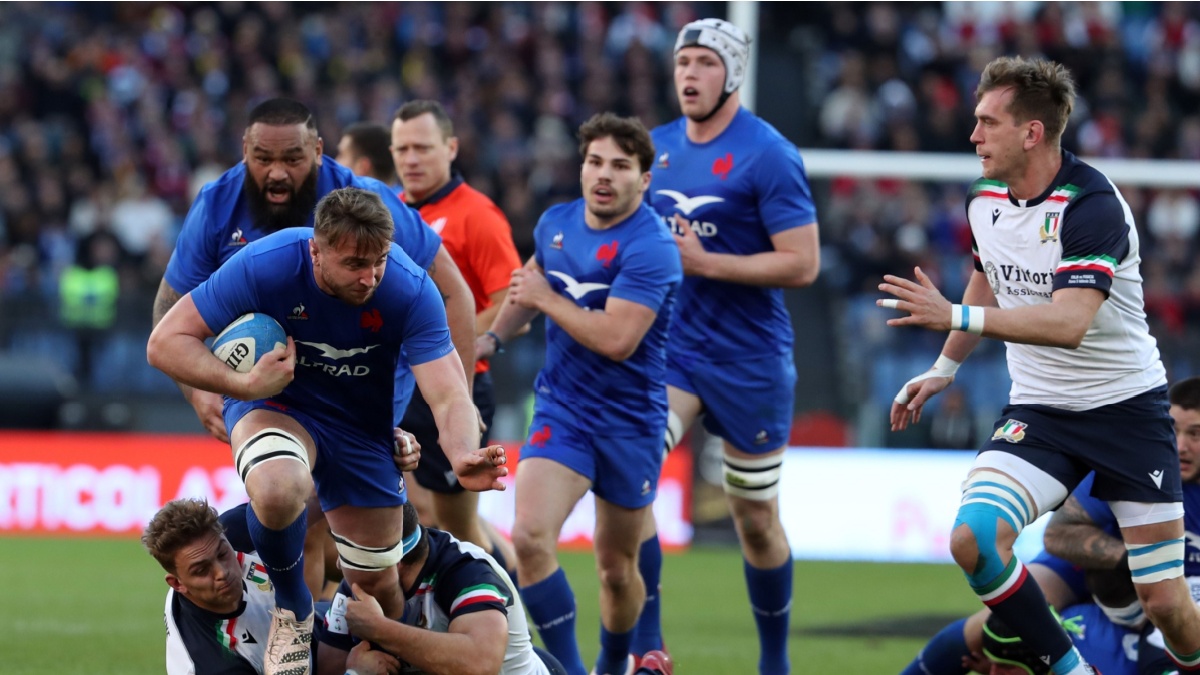
The beauty of the product that we sell is that its true value is reflected by fans of that club; and the products are, in a way, universally appealing to local audiences. Whilst that applies for different clubs, teams and leagues, it also stands for different sports, and we have seen significant demand for rugby, cycling and basketball in 2025. As we continue to focus on the US, customers can expect to see other sports make their debut on the platform in 2026. We are just getting started.
Digital engagement plays an important role in how fans interact with MatchWornShirt. How are you using content, data and fan insights to strengthen emotional connection and repeat participation?
Content is important to us as a business, it’s ultimately how we tell the stories of the shirts – every grass stain, every iconic moment or the player’s match stats. Sporting memorabilia is something that draws on emotional connection, so it’s important that our content does the same.
We see a wealth of consumer insights through every auction – some collectors are fans of a given team and build their collection around that, for others it might be a particular player, or even just a sport more generally. Using that insight we can connect with our fans when it matters – when their team goes on auction, when those shirts from the game make it into our vault, the details of a player’s signature.
That said, as we know with sport, there are some things that can surprise us – a game that defies odds, or a player that has the match of their lives – all of these things can mean that our bidders and collectors go against their usual grain for a piece that has an extra special story.
The sports collectibles market has seen increased interest from new and younger collectors in recent years. What trends are you seeing in who is buying memorabilia today, and how are expectations changing?
In a positive sense, it’s difficult to define the collector audience, because it is truly global, from all walks of life – some collect as a hobby at varying different levels, for others it’s an investment opportunity, or it could just be one-off games and shirts that they connect to. We have more than 200 countries on our platform, with bidders wanting to be involved in the world of unique sports memorabilia.
I think the occasion based buys are the most exciting trend from my perspective; people buying shirts because they were at the game, for a special birthday or milestone. In that sense the story can be both on or off the pitch – or in an ideal world, both!
The expectations of collectors are also increasing, particularly around the authentication of shirts. This is no longer a nice to have, but a requirement and the digitisation of this makes it easier for them – not only for authentication, but also the element of storytelling and the background behind the shirt.
Looking ahead, what are MatchWornShirt’s strategic priorities for the next 12 to 24 months, whether that is expanding partnerships, enhancing the auction experience, investing in new technology or entering new markets?
Our priority as a business continues to be offering fans the best experience and a gold-standard of products from around the world – whether that’s domestic games, Champions League fixtures, or the upcoming FIFA World Cup. As with every major tournament, these are bound to come with some surprises but also iconic moments which, to collectors, is often exactly what they’re looking for.
More widely as a business in the long term, the priority continues to be growth – growth into new sports by forming strong strategic partnerships with iconic teams, clubs and international federations. This all helps to support our customer’s experience, allowing them to get their hands on unique pieces of the most unique sports memorabilia, within football and beyond.