


The lapse of the collective bargaining agreement has moved negotiations into a status quo period, but unresolved disputes over revenue sharing and cost control are beginning to affect off-season planning across the league.
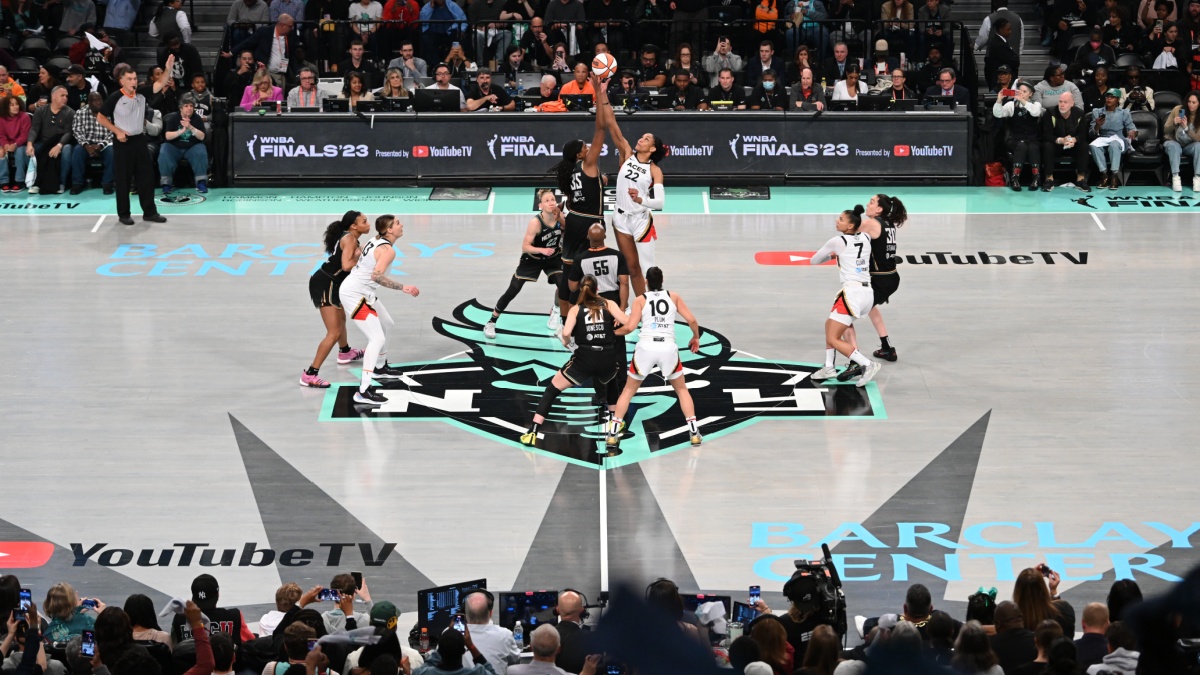
The WNBA is operating without a collective bargaining agreement after talks with the Women’s National Basketball Players Association failed to produce a new deal before the January 9 deadline.
The expiration follows months of negotiations and multiple short-term extensions, and places the league into a legally recognised ‘status quo’ period under US labour law. Existing CBA terms remain in effect for now, but neither side is bound beyond that temporary framework.
“Despite demonstrating our willingness to compromise in order to get a deal done, the WNBA and its teams have failed to meet us at the table with the same spirit and seriousness,” the WNBPA said in a statement. “Instead, they have remained committed to undervaluing player contributions, dismissing player concerns, and running out the clock.
“In the face of the league and teams’ actions, the players remain undeterred, unafraid, and unwavering in their commitment to doing what is necessary to secure a transformational new CBA. … Make no mistake. Pay equity is not optional and progress is long overdue. We urge the league and its teams to meet this moment. The players already have and will continue to do so.”
While there has been no immediate disruption to league operations, the lapse raises questions over the WNBA’s ability to progress key off-season business with certainty ahead of the 2026 season.
“The current Collective Bargaining Agreement has expired, and negotiations with the Women’s National Basketball Players Association remain ongoing,” the league said in a statement.
“As the league experiences a pivotal time of unprecedented popularity and growth, we recognize the importance of building upon that momentum. Our priority is a deal that significantly increases player salaries, enhances the overall player experience, and supports the long-term growth of the league for current and future generations of players and fans.”
Salary proposals fail to break deadlock
The breakdown comes despite the league putting forward what would represent the most significant salary increases in WNBA history.
In November, league officials briefed players on a proposal that would sharply raise minimum and average salaries, while introducing a mechanism allowing one player per team to earn a seven-figure salary.
Under the proposal, on average, players would recieve 70% of net revenue over the lifetime of the agreement. There would be an uncapped revenue sharing component; a raise of maximum salaries above $1.3 million and growing to nearly $2 million over the life of the deal; average salaries to above $530,000 and growing to more than $780,000 over the life of the deal; and minimum salaries to more than $250,000 in the first year.
The salary cap would be $5 million in the first year – not including the revenue sharing payouts – and would grow in line with revenue growth in the years afterward. In 2025, the WNBA supermax was $249,244, the average salary was $120,000, the minimum was $66,079, and the salary cap was $1,507,100.
The WNBPA did not reject the figures outright, but has made clear that headline salary growth alone does not address its core concern.
Players have consistently argued that compensation should be structurally linked to league revenues, rather than determined through fixed caps and discretionary bonuses. The current CBA relies on revenue targets set internally by the league, which players say lack transparency and have historically been difficult to reach.
In a statement issued when the deadline was extended in November, the union said players were “focused, united and determined to reach an agreement that reflects their value and undeniable impact on the league”.
League stresses sustainability and cost pressures
The WNBA has framed its position around financial sustainability, pointing to uneven franchise economics and rising operating costs.
Commissioner Cathy Engelbert has previously said the league remains in an investment phase, with expansion, charter travel and infrastructure upgrades requiring long-term financial flexibility.
While attendance, sponsorship and media interest have grown markedly over the past two seasons, the league has argued that tying player compensation directly to gross revenues could introduce volatility at a time when several franchises are still loss-making.
That tension has become more pronounced as the league’s public growth narrative has accelerated.
Strike authorisation raises stakes
In December, WNBPA members voted to authorise a potential strike if negotiations stall further. The move does not trigger immediate action, but gives union leadership the ability to escalate if talks fail to progress.
The authorisation came shortly before the final extension expired, and was widely interpreted as an attempt to apply pressure ahead of the 2026 season planning cycle.
With the CBA now lapsed, uncertainty extends beyond pay. Free agency mechanisms, roster planning and longer-term commercial commitments all rely on labour clarity, particularly as the league continues to explore expansion.