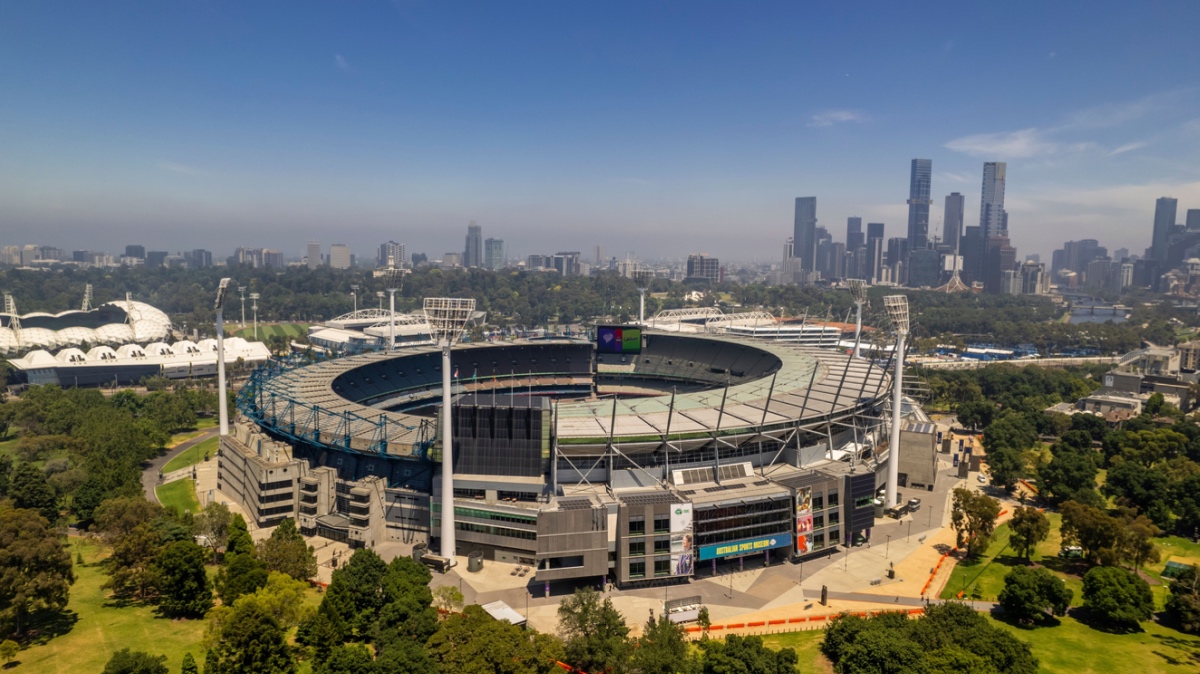



Projections suggest the combined financial hit from both shorter could extend into eight figures once all refunds and lost ancillary income are factored in
Australia undeniably took charge in the 2025/26 Ashes series. With wickets tumbling in rapid succession and matches concluding faster than expected, the urn’s fate rarely seemed uncertain. While this shows an almost flawless execution on the field, the financial repercussions tell a different story.
The very ferocity which has characterised Australia’s domination has resulted in shorter matches, more condensed schedules, and consequently, a reduction in the cricket days which broadcasters, venues, and host cities had banked on.
So although this Ashes series is a victory for Australia, it simultaneously uncovers a fragile aspect of Test cricket’s economic structure: when matches end prematurely, the financial rewards often vanish alongside them.
When five days turn into just two
Test cricket’s economic viability is fundamentally tied to time. The deals for broadcasting rights, the sales of advertising space, hospitality offerings, and local tourism initiatives are all predicated on matches extending into their allocated timeframes. When that duration is curtailed, so too is much of the associated value.
This summer in Australia, we witnessed just that. Several Tests wrapped up in less than two days, with the standout instances being the opening match in Perth and the traditional Boxing Day Test in Melbourne. In both cases, thousands of fans flocked to the grounds only to find days three, four, and five were abruptly cancelled.
For Cricket Australia, this has led to a significant blow to matchday revenue – a reported $A10m in Melbourne, and a further A$3m in Perth. Ticketing policies typically necessitate partial or complete refunds for any unplayed days, while the expected sales of food and beverages, merchandise, and premium hospitality vanish when gates remain closed.
Todd Greenberg, Cricket Australia’s chief executive, told SEN Radio before play on the second morning of the Perth Test: “A simple phrase I’d use is – short Tests are bad for business. I can’t be much more blunt than that. Historically, we have taken a hands-off approach in all of our wicket preparation … but it’s hard not to get more involved when you see the impact on the sport, particularly commercially.”
Industry estimates cited by both Australian and international media indicate that the Perth Test alone could have cost organisers millions of Australian dollars in lost ticketing and stadium revenue. In particular, the Boxing Day Test – historically the calendar’s most lucrative match – likely carried an even steeper opportunity cost, with projections suggesting that the combined financial hit from both matches could extend into eight figures once all refunds and lost ancillary income are factored in.
The consequences are felt sharply first by the venues
It’s important to note the impact isn’t equally shared. Stadium operators and local economies recognise the sting of these losses immediately.
At Optus Stadium, the early crowds painted a promising picture for what could have been one of the venue’s most lucrative Test weeks since its inception. Unfortunately, the anticipated excitement of days three and four – a time typically bustling with families and casual cricket fans – never materialised.
The situation in Melbourne was even more pronounced. The Boxing Day Test at the Melbourne Cricket Ground serves as a vital economic catalyst. Hotels, restaurants, and transport services brace for a surge in visitors, and when the match wraps up prematurely, so do the visitors’ stays.
While Cricket Australia may bear the brunt of the visible financial losses, the repercussions extend far beyond the headlines. State associations and venue operators, who heavily rely on such high-profile events to balance their budgets, find the abrupt loss of two or three days of revenue quite impactful.
The broadcast implications, while less transparent, are equally significant. Broadcasters don’t pay on a day-to-day basis; they secure rights for entire series well in advance, banking on their investment to deliver close to five days of live content. An early finish means the rights fees remain unchanged, but the amount of sellable inventory plunges.
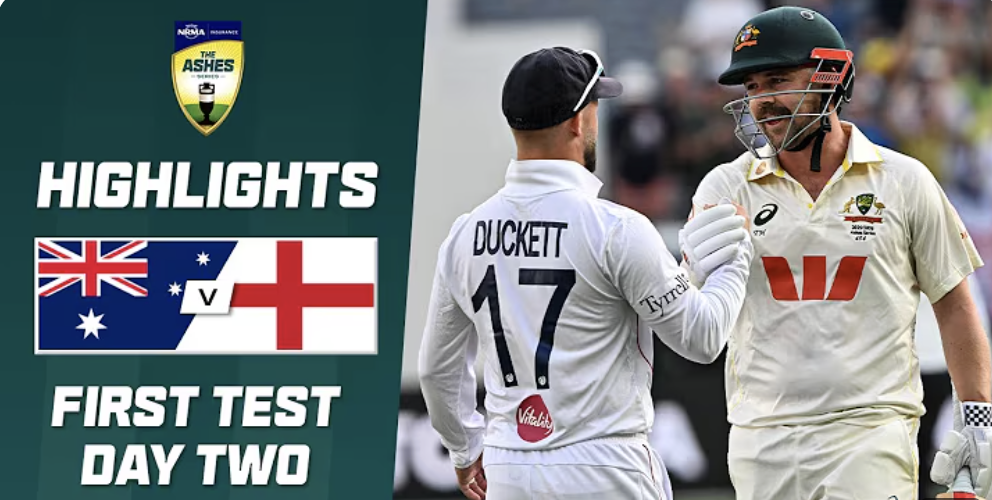
This results in fewer live sessions for advertisers, diminished peak viewing times, and reduced ancillary programming surrounding the match. In subscription-based markets, such discrepancies can also skew engagement metrics that are crucial for justifying long-term value to investors and partners.
Cricket Australia has publicly recognised that broadcasters are significantly affected by shortened Tests, even if the exact financial figures are kept under wraps. In a landscape where viewing habits are shifting and competition from quicker formats is intensifying, the loss of guaranteed content creates serious concerns.
The challenge in assessing the overall financial impact lies in the fragmented nature of available data. Cricket Australia doesn’t release detailed revenue figures for individual matches, and broadcasters typically shy away from disclosing advertising deficits for specific events. Stadium operators report on attendance figures but may not capture the extent of lost opportunities. Consequently, most circulating statistics are estimates based on ticket prices, historical attendance trends, and average spending per visitor.
Yet these estimates are not without merit. When several independent analyses converge on similar figures, a clearer picture emerges. What stands out is that the losses are far from trivial. Senior executives are already voicing concerns that shorter Tests are detrimental to business, even amidst a dominant Ashes series.
Can’t ignore the irony
Australia has done what top-tier teams are expected to achieve: they prepared fast, dynamic pitches, leveraged home conditions, and decisively outperformed England.
However, the commercial viability of Test cricket relies on a semblance of competition; not necessarily nail-biting finishes, but on longevity. The longer the match endures, the more value is generated for the entire cricketing ecosystem.
“The finances aren’t great and I think it was a sell-out tomorrow.” – Australia’s captain Steve Smith, after his teams win in the first test.
The tension surrounding Test cricket is not new but the current landscape of rights deals and event economics has intensified its visibility. As governing bodies strive for greater competitiveness and broadcasters seek guarantees, a pressing question emerges: can Test cricket justify its pricing for five days of play when the outcomes are becoming increasingly swift?