


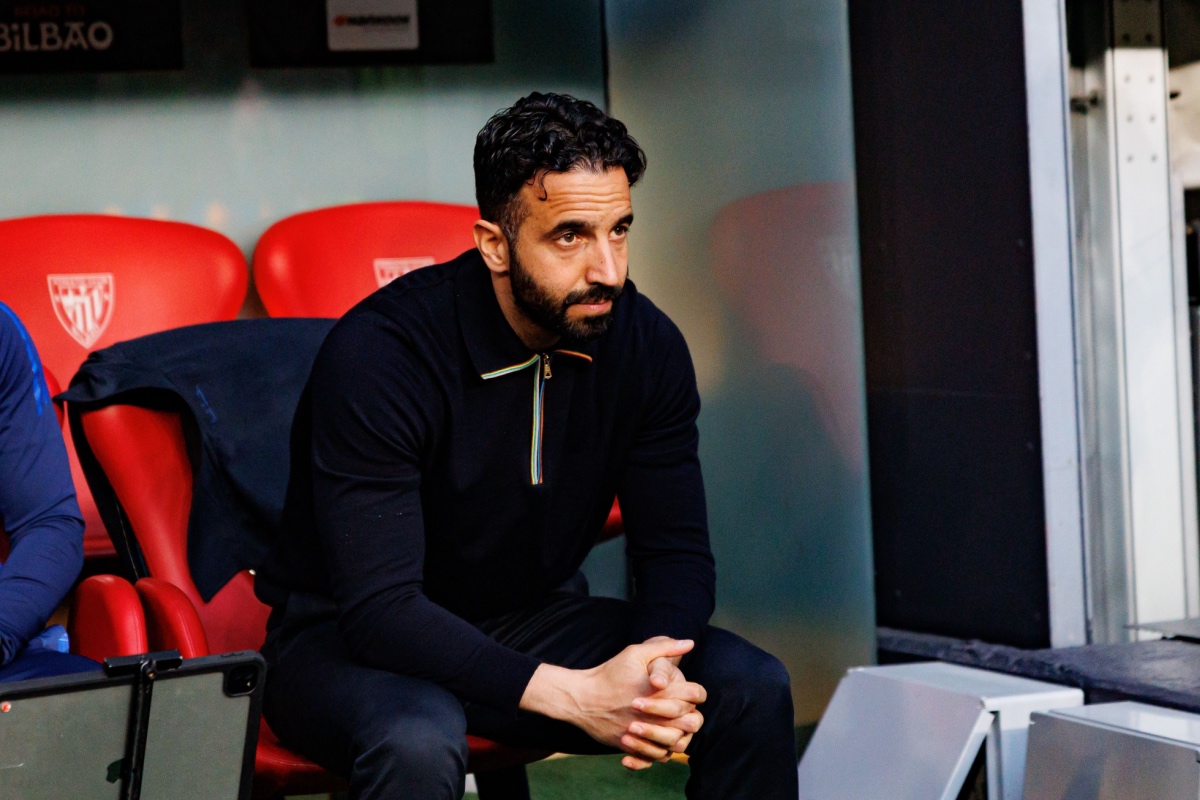
Football boardrooms are always busy, somewhat tense, but recent managerial changes, or ‘head coach’ changes, suggest the battle for authority and decision making has reached boiling point.
The recent managerial departures of Enzo Maresca, Ruben Amorim and Xabi Alonso are all indications of one trend – the slow death of the ‘manager’ role in football.
Sir Alex Ferguson used to rule Manchester United with an iron first, dictating every aspect of the club. And yet, over a decade after his retirement, when Amorim asked for greater responsibility at Old Trafford, he was immediately dismissed.
Could this be because the 40-year-old Portuguese delivered a scathing assessment of his ‘head coach’ role in a post-match press conference after Manchester United’s 1-1 draw at Leeds United? Probably, as it turned out to be his final game in charge.
“I came here to be the manager of Manchester United, not to be the coach of Manchester United and that is clear,” said Amorim in his post-match interview.
And Amorim is not alone. Many young managers in football today are seeking greater authority over transfer dealings; they want to sign players they believe suit their system and tactics. But these responsibilities could not be further away from their grasp.
Former England Manager Gareth Southgate likened this trend to the “erosion of a manager’s authority” last week. I would go one step further – the idea of football managers is not just being eroded, but becoming extinct.
Out with managers, in with ‘sporting directors’
In 2010, there were little to no ‘Sporting Director’ roles at Premier League clubs – there didn’t need to be as the role of ‘Manager’ tended to encompass most aspects of day-to-day club maintenance. Fast forward to today and almost every fan could name you their club’s sporting director.
Everything from player incomings and outgoings, contracts, and scouting, comes directly from the Sporting Director and their surrounding team. With this increase in headcount in the back office, the Head Coach’s voice can quickly drown.
Or has it already sunk to the bottom?
Clubs like Manchester United and Chelsea have made it abundantly clear they want ‘head coaches’, not ‘managers’. They want people who solely spend their days on the training ground with the players they had no input in, so the club can maximise its fortunes.
While perhaps unfair, Chelsea replacing Enzo Maresca with Liam Rosenior, a novice head coach with limited coaching experience, was viewed as the BlueCo board wanting a ‘yes man’ to conduct his head coaching duties, and only these duties.
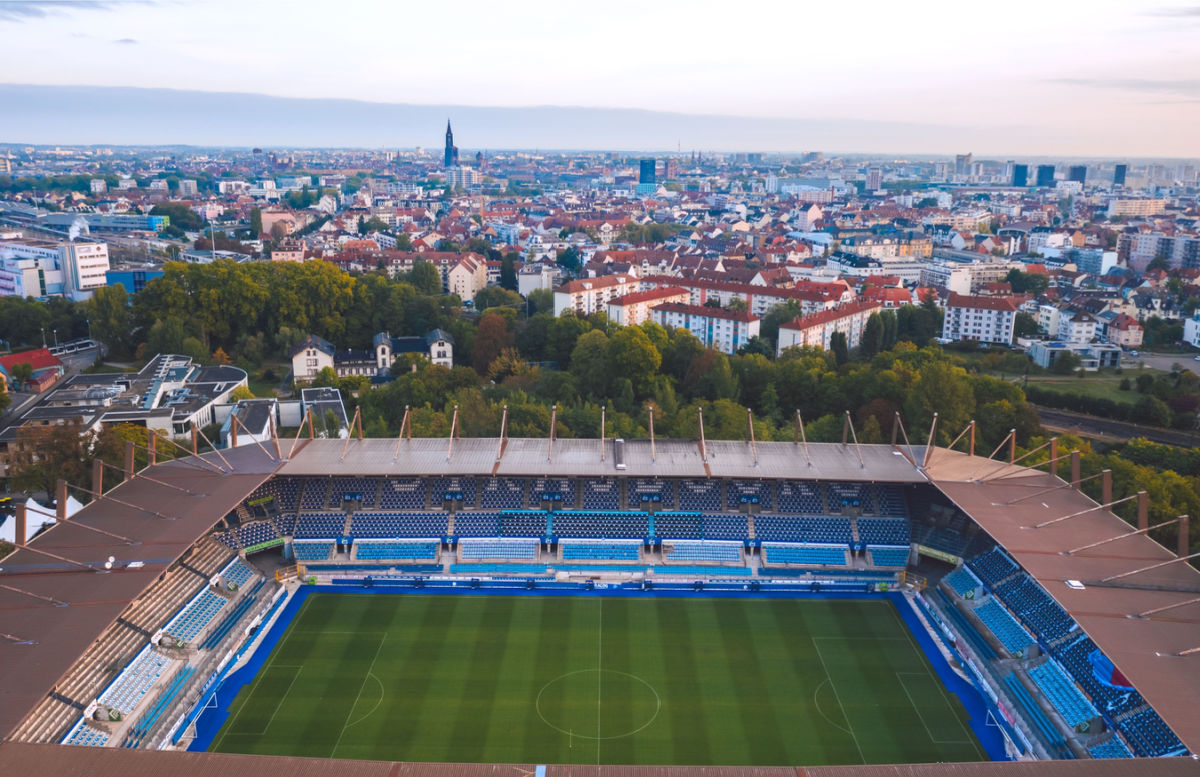
Not only are these arguments substantiated further as Rosenior’s previous coaching role came at RC Strasbourg – another BlueCo-owned club – it sends a loud and clear message to any future Chelsea head coach: “You coach, we buy, whether you like it or not”.
Did Chelsea sporting directors Paul Winstanley and Laurence Stewart comment on Maresca’s departure in Chelsea’s statement as to why they parted ways? You probably guessed right… no they did not.
Players have become assets… powerful assets
Perhaps Maresca was never truly protecting Chelsea’s assets at all. He was tasked with setting up the team to win matches, yet handed a squad built almost entirely without his input on players he neither requested nor approved.
Player valuations have exploded in recent years, rising in step with transfer spending. Over the last five seasons alone, Chelsea have posted a net spend of -€757m. Manchester United sit at -€782m, Manchester City at -€468m, Arsenal at -€772m, Liverpool at -€487m, and Tottenham Hotspur at -€650m, according to Transfermarkt.
Chelsea’s own recruitment strategy under BlueCo has been unmistakable. In their first window in 2022/23, the average age of new signings was 22.5. This dropped to 21.1 in 2023/24, 21.3 in 2024/25, and just 20 in 2025/26. What this shows is that the younger the player, the greater the resale upside, provided they show at least a hint of potential on the pitch.
But youth comes with its own cost as young players tend to be raw, inconsistent, and prone to mistakes. Maresca may well have felt he already had more than enough inexperience in his squad, and that adding seasoned professionals would give Chelsea a better chance of competing for trophies. Yet BlueCo’s priorities were more focused on profit and turnover, which arguably have become the club’s real silverware.
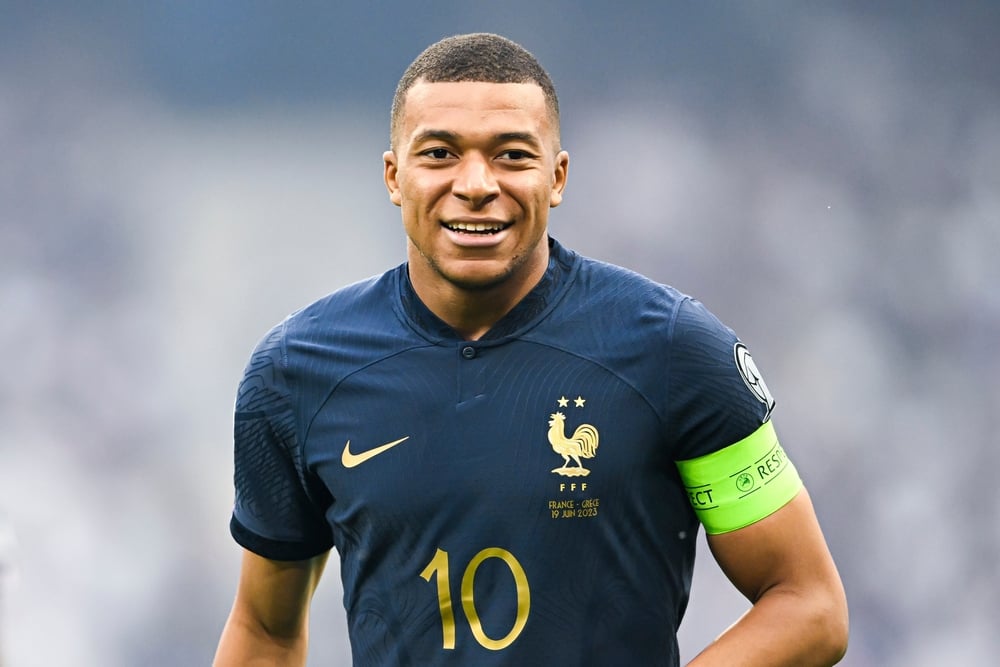
Contrast this with Real Madrid where at the Santiago Bernabéu, superstars rule the terrain. Kylian Mbappé, Vinicius Junior and Jude Bellingham wield as much – if not more – authority than their Head Coach.
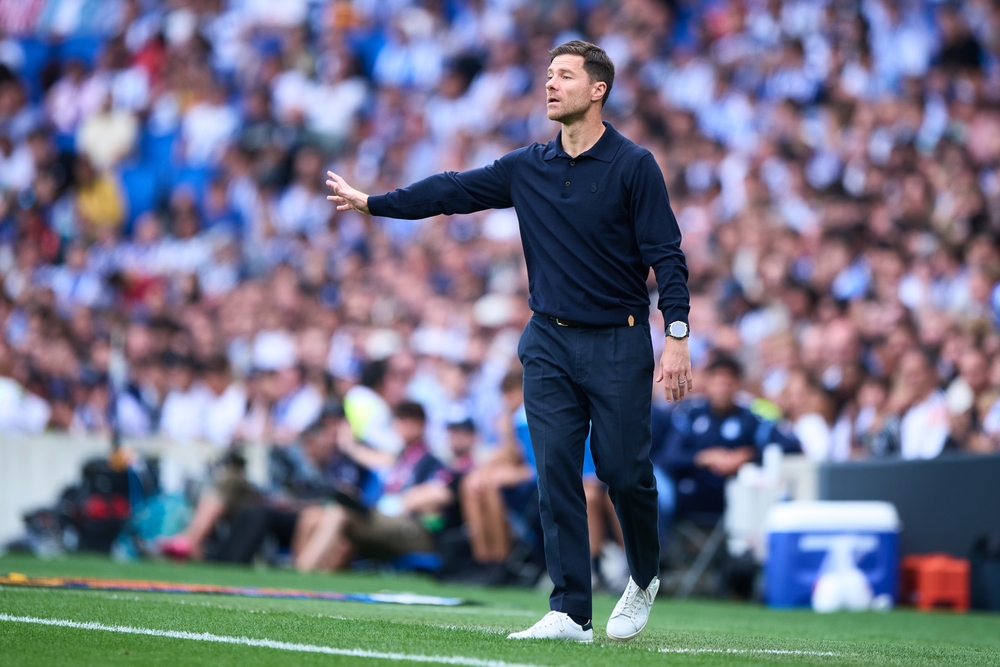
It’s not hard to argue that Xabi Alonso’s tenure was shaped, and at times undermined, by those egos. When Vinicius apologised after his public outburst at being substituted during Madrid’s 2–1 win over Barcelona in October 2025, Alonso’s name was conspicuously absent. His apology was reserved for teammates, fans, and President Florentino Pérez.
Pérez exerts total control over the world’s biggest football club, and history shows he consistently sides with his Galácticos over his managers. Why? Because coaches are arguably more easily replaceable and comparatively inexpensive to the likes of Mbappé, Vinicius and Bellingham.
So what message does this send to the next generation of ambitious young coaches?
When ownership groups, sporting directors and even players can undermine them before they’ve had a chance to build, what incentive is there to step into the firing line – especially as the old guard of Pep Guardiola, Carlo Ancelotti and Jürgen Klopp begins to fade?
Time to answer
Head Coaches have been stripped of much of the authority and decision‑making power they once held. To make matters worse, they are still the ones sent out in front of the cameras every week to justify decisions made far above their heads.
In the social‑media era, Sporting Directors and owners are not shielded from criticism. When a club’s fortunes dip, they absorb plenty of fan frustration. But do they truly face the same level of scrutiny as Head Coaches? Coaches are the ones who must answer immediately after every match – win, lose or draw – and are expected to defend transfer decisions that may actively undermine the team’s performance.
It’s long past time for accountability to extend to Sporting Directors, both when things go right and when they go wrong. What harm would a monthly interview or press conference do? It would offer supporters and stakeholders genuine transparency around why certain decisions were made, what the long‑term plan is, and how the club intends to get there.
The era of Head Coaches acting as spokespeople for Sporting Directors should end. Yet, in all honesty, the sport seems nowhere near ready to make that shift, meaning coaches may be stuck carrying the burden for the foreseeable future.