


Barcelona heads into presidential elections with Joan Laporta looking to run again, having just closed the chapter on the European Super League
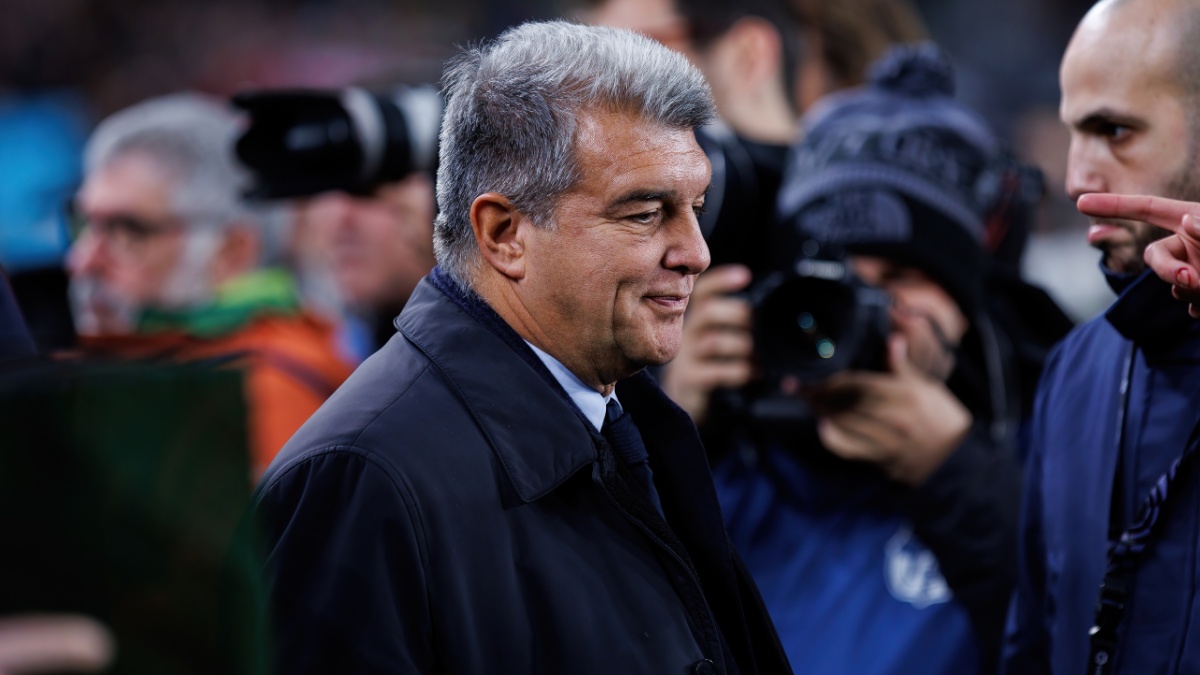
FC Barcelona President Joan Laporta has resigned to run for a third term in the club’s Board of Directors elections on 15 March 2026.
The resignations, announced at a board meeting on February 9 2026, also include VPs Elena Fort and Rafael Escudero and board members Ferran Oliver, Josep Maria Albert, Xavier Barbany, Miquel Camps, Aureli Mas, Xavier Puig and Joan Soler i Ferré.
“I leave with pride and by statutory imperative. We leave with the pride that Barça is better than five years ago,” Laporta said. “We have made difficult decisions, but we are proud of the ones we have made, some have been painful, but they have always been to protect the club.”
Laporta has served two spells as Barcelona President, 2003–2010 and 2021–2026, with the first being significantly smoother than the latest period.
His first tenure oversaw one of the club’s most successful sporting and commercial eras. He modernised Barcelona’s commercial operations, negotiated major sponsorships focused on expanding the club’s international footprint.
This was made easier by the on-pitch success, with the La Liga club winning 12 trophies, including two UEFA Champions League titles and the first treble in its history.
His second tenure presented far tougher challenges, inheriting more than €1bn in debt and managing scandals including the Negreira refereeing case, in which the club faced scrutiny over payments to a refereeing official.
Despite these problems, he still managed to stabilise the club, through selling future TV rights and parts of Barça Studios.
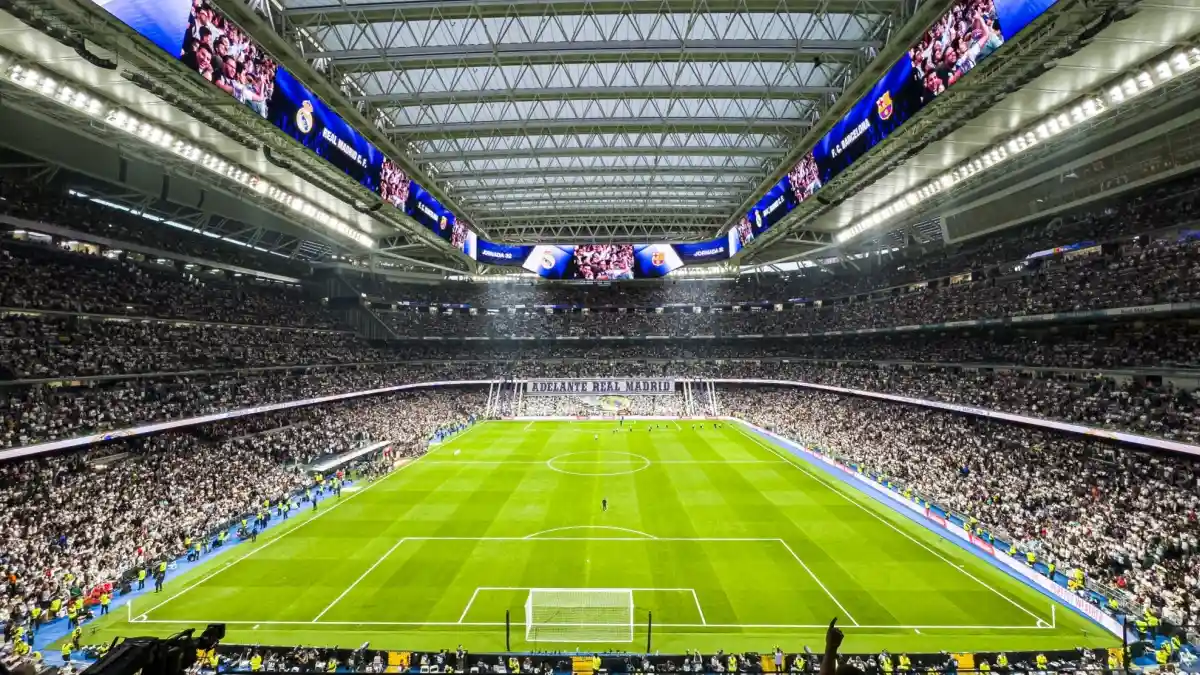
A key focus of Laporta’s second term was the Espai Barça redevelopment, which includes a complete renovation of the Camp Nou stadium.
“Also to push forward the Spotify Camp Nou, it was not easy given the moment in which the club was, but the strength of the shield is enormous,” he said. “It is the most important heritage project in the history of the club, it is a reality and has allowed us to gain the credibility of investors, members, and the world of football.”
The board will continue to operate until 30 June 2026 under a new group, with Rafael Yuste as interim President, Josep Cubells as VP and Secretary and Alfons Castro as Treasurer.
Barcelona puts the Super League to bed
Just days before Laporta announced his resignation, the club confirmed its withdrawal from the European Super League project.
The breakaway competition, launched in 2021 by 12 clubs, was pitched as a new commercial model for European football but collapsed within days following fan protests, political intervention and opposition from governing bodies.
While attempts have been made to revive the project through legal and commercial channels, it has failed to gain traction and has never progressed past a hypothetical.
The decision is Laporta’s final act as president for this term and carries implications for Barcelona, Spanish and European football.
Withdrawing allows the club to restore its relationship with UEFA and rejoin the European Football Clubs (EFC), regaining its influence over tournament changes and European competition governance.
It also removes a reputation with supporters and commercial partners and shows the club is moving away from speculative future revenues.
Barcelona’s exit leaves Real Madrid as the only remaining club publicly backing the project. Club president Florentino Pérez has continued to argue that European football’s financial model is broken and has criticised UEFA and La Liga leadership.
In November 2025, Pérez pointed to a Madrid Provincial Court ruling that addressed 21 elements of the Super League case and sided with the project’s backers, accusing UEFA of abusing its dominant market position.
Barcelona, however, will likely see the withdrawal lift a cloud that has hung over the club since 2021 and reduce political and regulatory pressure ahead of the elections.
Who could challenge Laporta?
With the election process now formally under way, attention is turning to who will challenge Laporta for the presidency on 15 March 2026.
The leading contender is Víctor Font, who finished second in the 2021 election and is considered one of the most vocal critics of the club’s financial strategy. Font has previously confirmed he intends to run again and is widely viewed as the most organised and prepared alternative, with strong backing among socios seeking a more modernised governance model.
He has already offered supporters an idea into his plans, stating a few days ago: “If I become the president, Flick would still be our coach, but Deco won’t be the Sporting Director.”
Toni Freixa, a former board member who ran in both 2015 and 2021, is also expected to enter the race. Freixa represents the club’s more traditional wing and has criticised Laporta’s use of financial “levers”.