


Olympians push the IOC on green-washing, but change looks unlikely with LA28 set to take place in a country at war with renewable energy
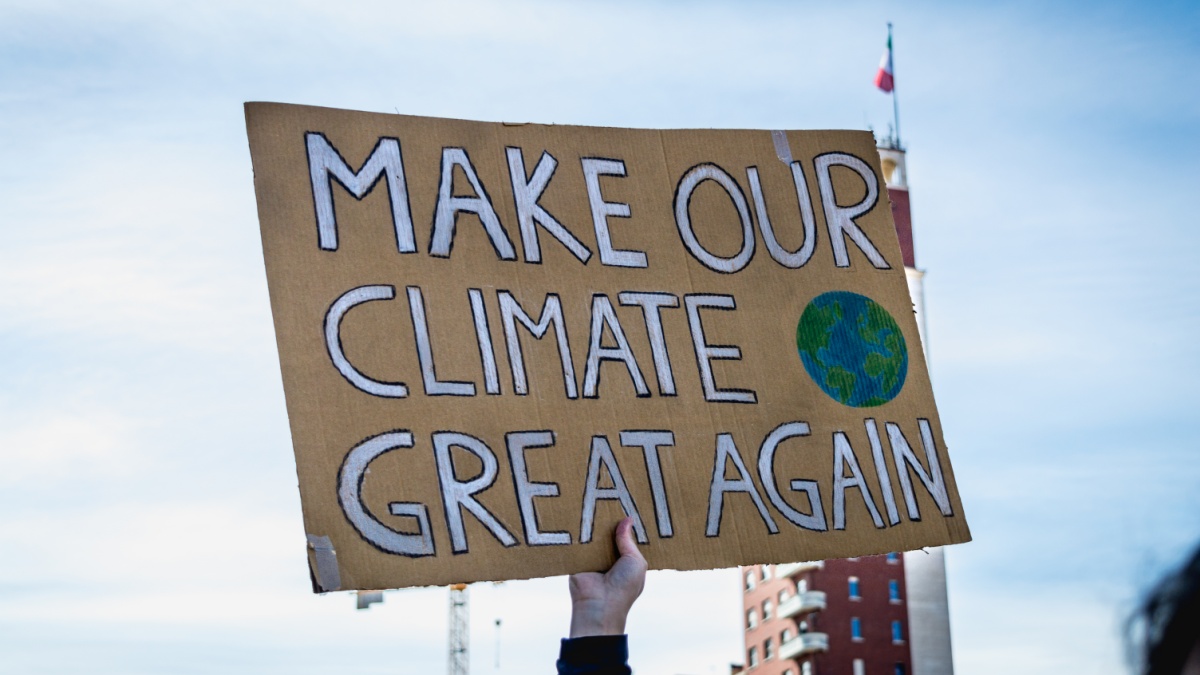
Olympic athletes have demanded the International Olympic Committee (IOC) cut ties with fossil fuel sponsors in order to protect sport from the climate crisis.
The public letter, published on 9 February, was sent to IOC President Thomas Bach, the Executive Board, and members of the IOC, warning that by 2050, only a handful of traditional Winter Olympic venues will be usable due to climate change.
The signatories, which include 88 Olympians and 53 elite athletes, say that despite the Olympics continuing to promote its sustainability commitments, sponsorships from fossil fuel companies only weaken those goals and initiatives.
“As signatories, we cannot stand by. We respectfully ask for you [the IOC] to establish a ban on fossil fuel companies sponsoring the Olympic Games,” read an excerpt from the letter.
The athletes said scientific consensus says the world must reach net-zero emissions by 2050 to safeguard sport, yet current production plans are heading in the opposite direction. Governments and corporations are on track to produce 120% more fossil fuels by 2030 than what safe limits allow, according to the UNEP Emissions Gap Report.
The letter attributes this gap to a fossil fuel sector determined to continue ‘business as usual’, adding fossil fuels are responsible for nearly 70% of global greenhouse gas emissions, with sponsorship deals in sport often used to distract from the damage.
The signatories have urged the IOC to establish dialogue with athlete representatives, ensure decisions are guided by independent climate science, adopt a sponsor eligibility policy excluding fossil fuel companies and embed the policy in the IOC’s Fit for the Future framework.
The climate debate isn’t new
The latest campaign targets three major sponsors of the Winter Olympics Milano Cortina 2026: oil and gas producer Eni, carmaker Stellantis, and ITA Airways. These sponsors are expected to add around 1.3 million tCO₂e to the event’s footprint, roughly 40% more than the rest of the estimated emissions combined.
Climate controversy is not a new challenge for the Olympics – a similar campaign was launched ahead of Paris 2024. Research for the Badvertising campaign at the time found that sponsorships from Air France, Toyota, and ArcelorMittal would produce more pollution than eight coal plants operating for a full year.
In 2024, athletes and environmental groups warned the Games’ sustainability ambitions were being undermined by partners whose core businesses heavily contributed to climate change.
Air France resisted calls to limit emissions and manage flight demand, Toyota’s global CO₂ footprint exceeded that of many oil and gas companies and ArcelorMittal’s steel production alone added over 114 million tonnes of CO₂ annually.
“Allowing major polluters to co-opt the spirit of the Games is a betrayal of the athletes and fans who make it such a global spectacle,” said Olympic gold medallist Etienne Stott ahead of the 2024 Olympic Games.
Smoke on the horizon
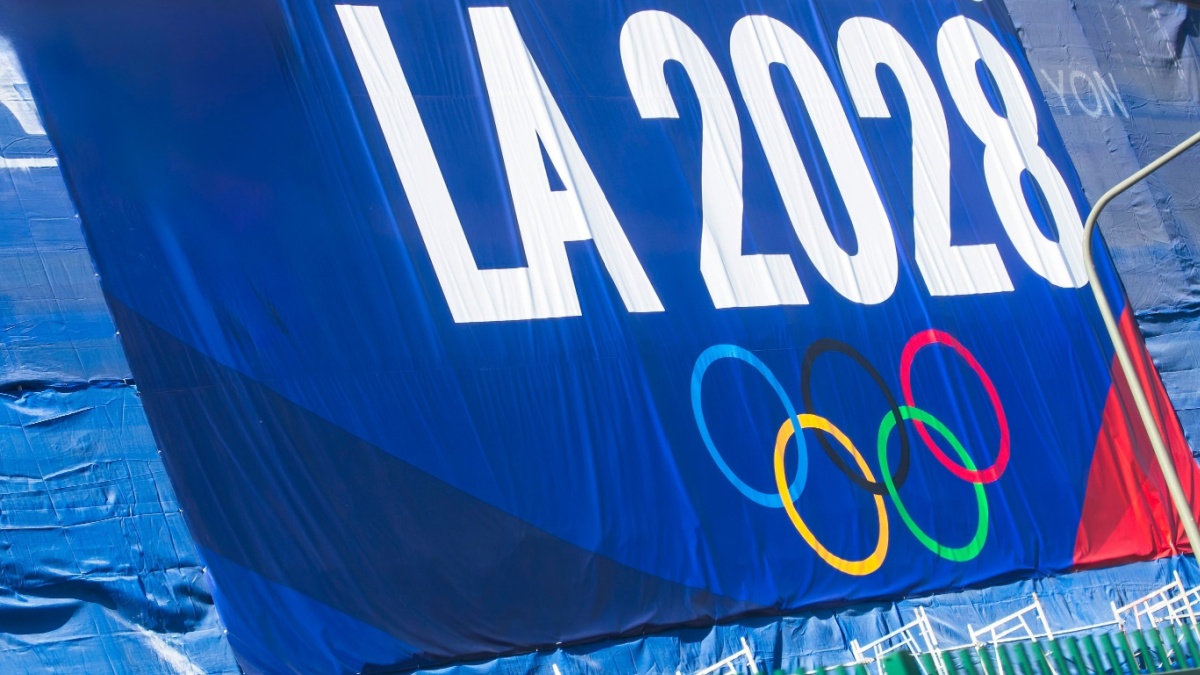
Despite renewed pressure from athletes, the same climate concerns are expected to be heard again ahead of the Los Angeles 2028 Olympics, where several major partners already raise questions about sustainability.
Founding partners include Delta, the official airline; Honda, the official automotive partner; and Google, which, despite its renewable energy commitments, is contributing higher fossil fuel consumption as AI and cloud services demand more energy.
Additionally, any push for change in the US will likely face a level of resistance not seen in any other host country.
Since beginning his second term in January 2025, President Donald Trump has issued executive orders aimed at “unleashing American energy.” These directives prioritise fossil fuel production, roll back climate and clean energy regulations, and explicitly remove mandates for electric vehicles and other energy-saving policies.
According to the White House, these moves aim to “restore American prosperity” and secure energy dominance.