











From stadium infrastructure and ownership uncertainty to new forms of capital entering the market, the opening months of 2026 have reinforced the shifting foundations of the sports business landscape.
Across football, long-term projects are beginning to move from concept to delivery, with clubs increasingly focused on maximising the commercial potential of physical assets. At the same time, ownership structures remain under scrutiny, as investor interest continues to circle some of the Premier League’s most valuable properties.
Beyond traditional models, new investment narratives are also emerging. Athlete-backed ventures, politically linked capital and technology-led sports businesses are starting to reshape how value is created and where influence sits within the industry.
In this Q1 roundup, Insider Sport highlights the stories that resonated most with readers, not just for their headlines, but for what they reveal about the direction of travel across global sport.
The three most read stories of Q1 2026
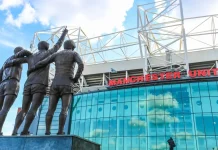
Manchester United edge closer to new stadium with key hire
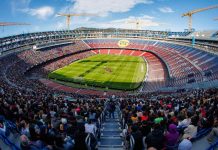
Manchester United’s decision to appoint Collette Roche as CEO of New Stadium Development signalled a shift from ambition to execution in one of the most closely watched infrastructure projects in European sport.
The proposed 100,000-seat venue, tied to the wider Old Trafford regeneration scheme, represents a long-term commercial reset for the club. But with progress still dependent on securing land reportedly valued at £400m, the appointment underlines both the scale of the opportunity and the complexity of delivering what could become the UK’s largest football stadium.
Daniel Levy’s Tottenham stake to be sold
Fresh reports around Daniel Levy potentially selling his 30% stake in ENIC reignited questions over Tottenham Hotspur’s ownership structure and long-term direction.
While the club has publicly insisted it is not for sale, ongoing investor interest and a possible £1bn valuation for Levy’s shares highlight the underlying tension between ownership continuity and external appetite. More broadly, the situation reflects a familiar Premier League dynamic: strong commercial foundations, led by assets like the Tottenham Hotspur Stadium, continuing to attract capital even amid on-pitch uncertainty.
Trump-linked vehicle leads $3m investment in Conor McGregor-backed MMA.Inc
An investment in MMA.Inc, backed by Conor McGregor, pointed to the growing intersection of athlete-driven ventures, digital platforms and politically connected capital in sport.
The funding, linked to entities associated with Donald Trump Jr., underlines how combat sports continue to attract unconventional investment narratives. The deal reflects the idea that sports properties are increasingly being positioned as technology-led businesses, with commercial value extending well beyond live events.
The stories which signalled deeper shifts
While the top three stories drew the highest readership, they only capture part of the picture. Some features went further, raising deeper questions about ownership models, commercial control and the future structure of the sports industry; stories that looked beyond the headline to what these shifts could mean in the years ahead.
The making of a modern Super Bowl

Selected by: Rachael Kennedy, Editor, Insider Sport
This collaborative feature looked at the Super Bowl as the closest thing sport has to a fully integrated commercial machine. As the National Football League geared up for another record-breaking event, the focus was on everything happening around the teams.
For the Insider Sport editorial team, it stood out because it joined the dots. Broadcast, streaming, hospitality, advertising, betting, payments – all operating at once, all under pressure to perform.
What the article did well was show how those pieces are shifting. Hospitality isn’t just an add-on; it’s a core revenue driver. Advertising isn’t a 30-second slot, it’s a full campaign built across platforms. And betting, backed by faster payments, is now part of the shared experience rather than something happening on the side.
Taken together, it framed the Super Bowl as a reference point for the rest of the industry because it concentrates so many of the trends everyone else is trying to figure out.