



Prediction markets are quickly moving from the fringes of the US betting ecosystem into the mainstream. As operators such as DraftKings and FanDuel experiment with new formats, the lines between traditional wagering, trading, and sports entertainment are beginning to blur.
For sports business professionals, the shift raises a broader question: is this simply product diversification, or the emergence of an entirely new way for fans to engage with live sport?
At the centre of this evolution is a move away from static, one-off bets towards more dynamic, continuous interaction. Prediction markets, underpinned by exchange-style mechanics, allow users to trade positions in real time as events unfold, mirroring behaviours more commonly associated with financial markets. The result is a more active, data-driven form of engagement, one that could reshape how audiences consume sport, particularly in an era defined by second-screen experiences and always-on connectivity.
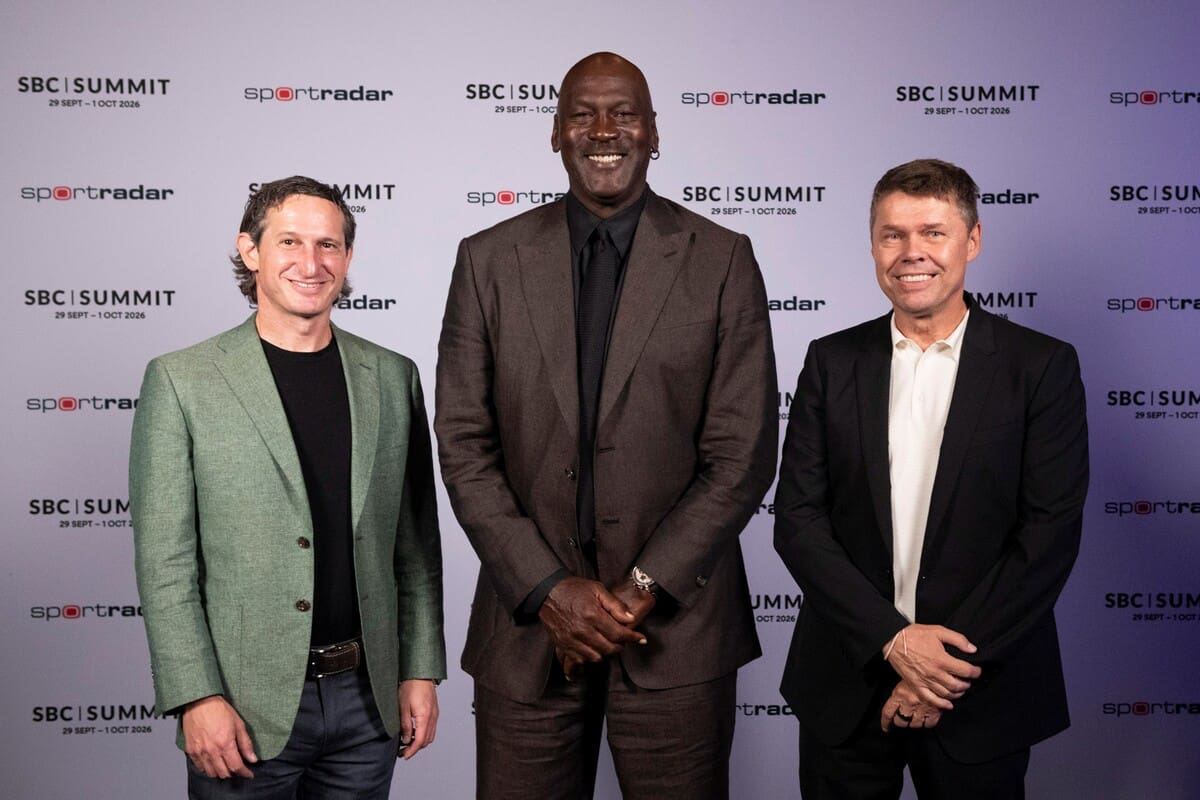
Ahead of his appearance at SBC Summit Americas, Insider Sport spoke with David Huffman, Chief Operating Officer at Sporttrade, about the rise of prediction markets, the role of liquidity and partnerships, and what the next phase of competition in this space could look like.
Read the full interview below.
Prediction markets are gaining traction across the US. From your perspective, what is driving sportsbooks and DFS operators to explore this space now?
The obvious answer is that it expands total addressable market and reach, especially if there’s a credible path to a national market under a federal framework. But the more important driver is that it introduces a different kind of engagement than what exists today. Instead of placing a bet and waiting for an outcome, users can trade in and out of positions as new information comes in.
This creates a more continuous experience, where customers are interacting with the market throughout the lifecycle of an event rather than just at the start.
How do prediction markets differ from traditional sports betting in terms of user behaviour and engagement?
The biggest difference is that prediction markets are built around trading rather than one-time wagers. Users can enter and exit positions as information changes, which creates a more continuous and engaged experience. Traditional sportsbooks, by contrast, tend to be more focused on promotions and incentives to drive activity. Prediction Markets also introduce a broader set of participants, including those trading programmatically via APIs or through an entity.
There’s a growing sense that these products sit somewhere between betting and trading. Do you see prediction markets as a new category of sports entertainment?
Yes, but the distinction matters. Traditional betting products are often built around promotions, profit boosts, and curated pricing. Trading-based products by design consistently offer the best available prices with tight spreads. That pricing environment encourages more activity, because customers are more willing to enter positions when they know they’ll have a fair opportunity to exit them as well.
Operators like DraftKings and FanDuel are experimenting with different approaches. What do you think will define a successful prediction market strategy?
Success will come down to simplicity, liquidity, and alignment. The right technology, fee structure, and market microstructure will ultimately win. Prediction markets attract increasingly sophisticated participants, including programmatic traders, and if the system is not designed correctly, those actors can extract value from the ecosystem rather than contribute to it.
The platforms which succeed will be the ones that combine strong distribution with tight spreads, real depth, and a product that is simple enough for everyday users to understand.
How do you think about liquidity in prediction markets, and what does it take to build a healthy market from day one?
Liquidity is foundational. In many ways, it is the product. Building a healthy market requires aligning incentives across all participants so that customers consistently see tight spreads and reliable execution. APIs and programmatic participation can play an important role in deepening liquidity, but only if the market is structured correctly. If incentives are misaligned, you can generate activity without creating a healthy market. The goal is an ecosystem where all participants are contributing to a fair, efficient trading environment.
From a commercial standpoint, how attractive are prediction markets to a new generation of sports fans compared to traditional betting formats?
The products in the market today are already quite strong and improving quickly. We’re seeing rapid iteration and a willingness to respond to user feedback.
The biggest gap is what happens as the market matures, particularly as competition increases beyond the initial set of entrants. That’s when you should expect more competitive pricing, a broader range of products, and the development of real user communities around these platforms. As those dynamics take hold, the experience should continue to improve meaningfully for end users.
Where do you see the biggest gap today between what prediction markets can offer and what users are currently experiencing?
They are highly attractive, particularly to a generation that is comfortable with real-time, interactive products. Prediction markets align with how many users already engage with data and live information.
They also introduce a new participant layer, including individuals and entities trading programmatically, which expands the ecosystem beyond the traditional sportsbook customer base. That said, the product still needs to be intuitive and accessible to reach its full potential.
Partnerships appear to be a key route into this space. How important are media, league, or platform collaborations in scaling prediction markets?
Partnerships are critical for distribution, brand recognition, and consumer trust. Media and platform collaborations help bring the product to where fans already are, while league relationships play an important role in data access, settlement clarity, and overall credibility.
At a broader level, this category is built on sports content, and leagues ultimately own the underlying product that these markets are built around, so those relationships will remain central as the space evolves.
Do you think prediction markets have the potential to reshape how fans interact with live sports, particularly around real-time engagement and second-screen experiences?
Yes, but it’s less about creating new behavior and more about improving what already exists. Fans are already watching games with a second screen—checking stats, scores, and odds in real time.
Prediction markets can make that interaction more active by allowing users to respond to new information as it happens and adjust their positions accordingly. If done well, it enhances the viewing experience by making it more interactive without adding friction.
You’ll be discussing this at SBC Summit. What should sports business leaders be paying closest attention to as this space evolves?
The focus should be on execution: simplifying the user experience, building and sustaining liquidity, and ensuring alignment across all participants in the ecosystem. The platforms that get the fundamentals right will define the category. This is a large opportunity, but it will reward operators that can deliver a consistent, transparent, and efficient experience at scale.
Get Your Ticket to SBC Summit Americas:
VIP Pass – Our VIP Passes are available for just $700. You’ll have access to the full conference agenda, show floor, complimentary food at our Food Festival and our evening networking events!
Expo+ Pass: Includes access to the expo floor and all conference sessions (does not include access to evening networking events). Get Your Expo+ Pass at $95.
Operator & Affiliate Passes: Operators and affiliates can apply for free passes for SBC Summit Americas, subject to approval. Apply for Your Complimentary Operator Pass | Apply for Your Complimentary Affiliate Pass.