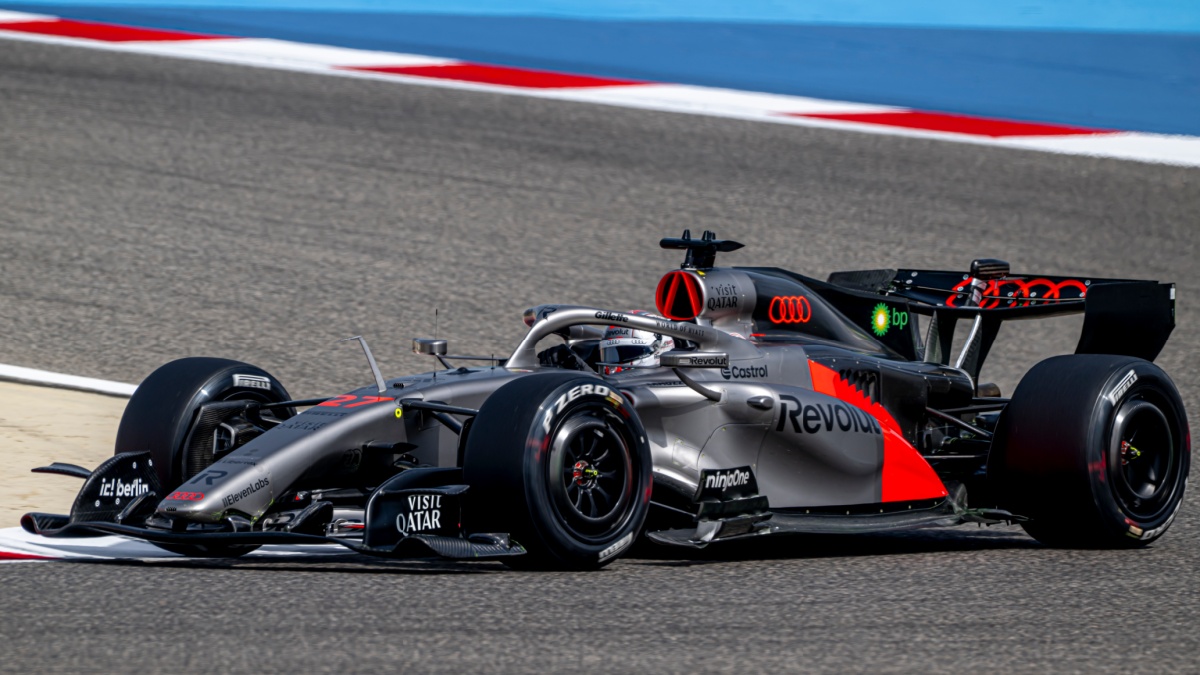



The FIA, teams, power unit manufacturers and FOM have agreed a package of changes to F1’s 2026 rules, addressing driver safety and energy management concerns
Three races into the most significant technical reset in Formula 1‘s (F1) recent history, the sport’s governing body has confirmed it is moving quickly to address problems which have plagued the 2026 regulations since their introduction in Australia.
An online meeting on April 20, attended by the Fédération Internationale de l’Automobile (FIA), team principals, power unit manufacturer CEOs, and Formula One Management (FOM), produced unanimous agreement on a four-part package of changes for F1 spanning qualifying, race conditions, race starts, and wet-weather operations.
Subject to a FIA World Motor Sport Council e-vote, most changes will come into force at the F1 Miami Grand Prix on May 3 2026.
The thorniest issue of the new era has been ‘superclipping’ – the phenomenon where a car loses top speed at full throttle as energy is diverted from the engine to recharge the battery.
The extreme energy management demands have seen drivers needing to lift and coast through corners they would previously take flat out, drawing widespread criticism from across the grid.
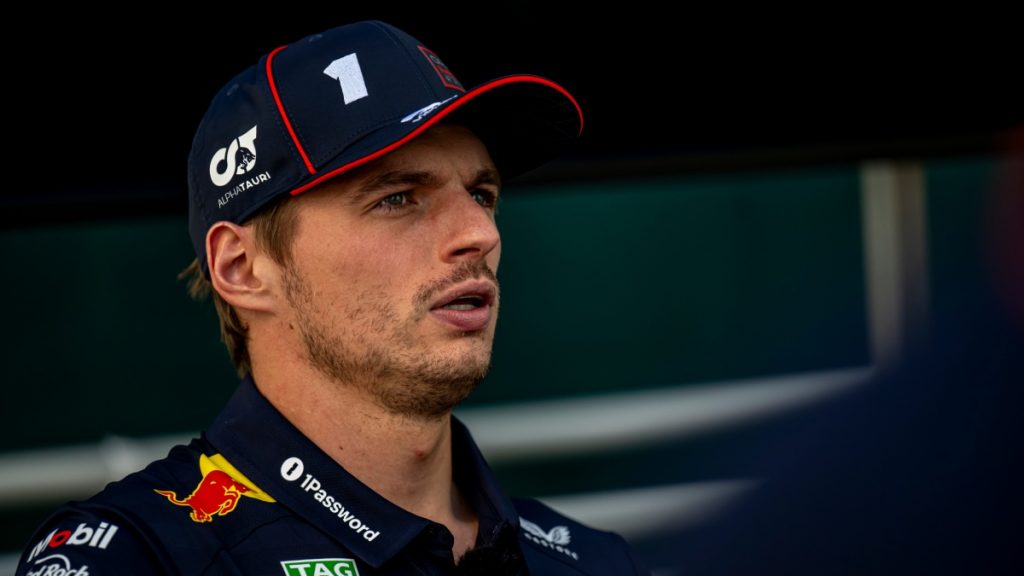
Reigning world champion Lando Norris said the cars are not what he and his peers grew up dreaming of racing, while four-time champion Max Verstappen called the regulations “anti-racing” and likened the experience to Formula E “on steroids,” as reported by ESPN.
The agreed changes target superclipping directly, as maximum permitted recharge is set to be cut from 8MJ to 7MJ, and peak superclip power increases from 250kW to 350kW.
The aim is to reduce superclip duration to roughly two to four seconds per lap. The number of races where alternative lower energy limits may apply has also been expanded from 8 to 12, giving greater scope to adapt parameters to circuit characteristics.
F1 race safety and the Bearman incident
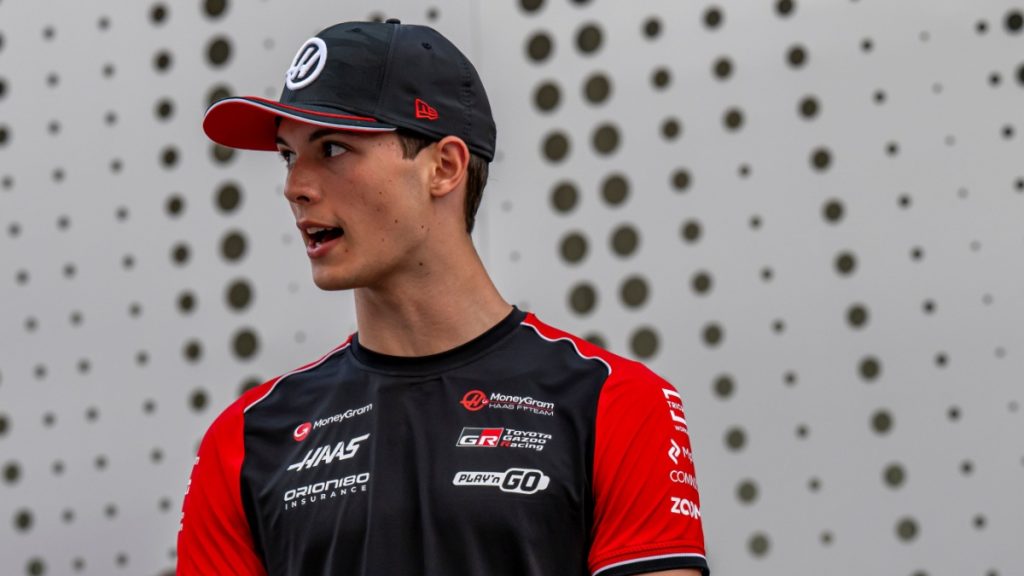
Safety concerns came to a head at the Japanese Grand Prix, when, on lap 22, Haas driver Oliver Bearman closed rapidly on Franco Colapinto‘s Alpine with a speed differential of nearly 50km/h approaching the ‘spoon curve’; when Colapinto moved to defend his position, Bearman was forced onto the grass and into the barriers, suffering a 50G impact.
Haas team principal Ayao Komatsu absolved Colapinto of blame, attributing the incident to the energy management differential between the two cars. The FIA, however, acknowledged the role of closing speed differentials in the crash and brought forward its planned regulatory review.
For race conditions, the maximum power available through the Boost – the manual deployment button drivers use to attack or defend on track – is now capped at +150kW, or the car’s current power level at activation if higher, to limit sudden performance differentials.
The MGU-K – the kinetic motor generator unit that converts braking energy into electrical power – will be maintained at full deployment in key acceleration and overtaking zones but restricted elsewhere on the lap.
In addition, at race start, a new detection system will identify cars showing abnormally low acceleration off the line and automatically trigger MGU-K deployment to maintain a safe minimum, with flashing rear and lateral lights warning following drivers.
The FIA has earmarked Miami as a test case for the system, with full adoption dependent on the data gathered that weekend.
Wet weather provisions complete the round of rule changes, with intermediate tyre blanket temperatures being raised following driver feedback, maximum energy recovery system (ERS) deployment will be reduced to improve car control in low-grip conditions, and rear lighting has been simplified for clearer visibility in poor conditions.
FIA President Mohammed Ben Sulayem said the drivers had been “at the heart” of the discussions and praised the collaborative pace at which changes had been reached.