


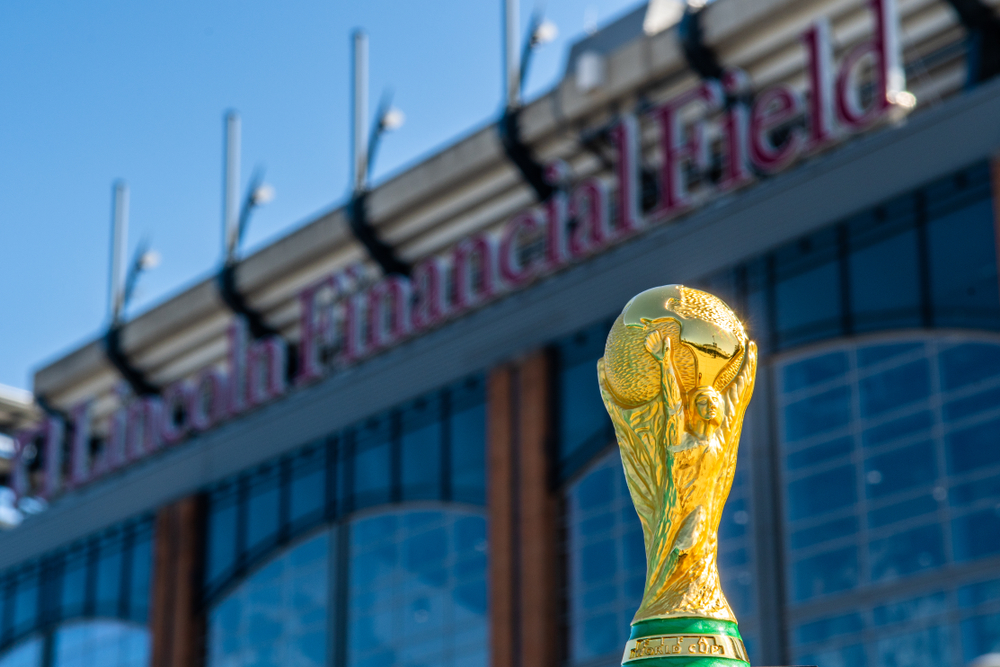
A free post-match travel deal in Philadelphia contrasts sharply with rising fan transport costs in New Jersey, adding to scrutiny over how World Cup hosting expenses are shared.
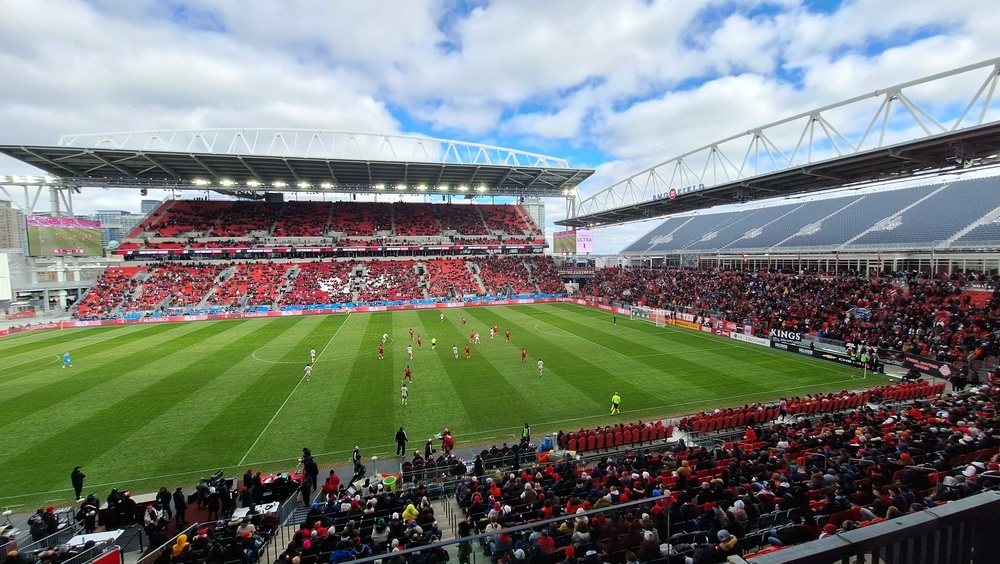
Philadelphia has complicated FIFA’s position in its growing dispute with US host authorities, after securing a deal which will allow fans to travel for free after matches at Lincoln Financial Field.
The agreement, revealed ahead of the 2026 FIFA World Cup 2026, will see supporters using the city’s SEPTA transit network exempt from fares when leaving the stadium following fixtures. Standard fares will still apply for inbound journeys, currently set at $2.90.
The move stands in contrast to mounting criticism in New Jersey, where transport costs linked to matches at MetLife Stadium have become a focal point of political and public debate.
Last week, NJ Transit confirmed that a round-trip rail ticket from New York Penn Station to the stadium will cost $150 per passenger during the tournament, while an alternative shuttle bus service has been priced at $80.
Similar pricing concerns have emerged in Massachusetts, where services to Gillette Stadium are expected to cost up to $95 for bus travel and $80 by train.
Patchwork approach to fan transport emerges
The divergence between host cities highlights an increasingly fragmented approach to fan transport planning across the expanded 2026 tournament, despite overarching agreements between FIFA and local organisers.
In Philadelphia, the decision to subsidise outbound travel appears to reflect a more targeted approach to crowd management and fan experience, particularly in easing post-match congestion. However, it also raises questions about how such costs are being absorbed at a local level, and whether similar measures could be replicated elsewhere.
By contrast, officials in New Jersey have pointed to the scale of operational demands placed on public transport systems, with increased service frequency, staffing and security all contributing to higher costs.
New Jersey Governor Mikie Sherrill has been among the most vocal critics, stating earlier this week that FIFA is not contributing financially to transport despite the governing body’s projected $11bn tournament revenue.
Political pressure widens
The debate has since extended beyond state-level concerns, with federal voices also raising questions about the cost burden placed on fans and public agencies.
California Congresswoman Sydney Kamlager-Dove criticised FIFA’s approach to pricing and accessibility, highlighting transport costs as part of a broader concern around affordability for supporters.
“[FIFA has] refused to help host cities and states with transit and security costs, causing NJ Transit to charge fans more than $100 for a train from NYC to MetLife that is normally $12.90,” she said in a post on X.
FIFA has previously defended its position, stating that transport arrangements fall within the remit of host city agreements rather than the governing body itself.
The organisation noted that original agreements signed in 2018 required free transportation for fans, but these terms were revised in 2023 to allow host cities to charge for services in recognition of the financial strain such requirements created.
FIFA also stated it has worked with host cities on transport and mobility planning for several years, including advocating for federal funding to support infrastructure linked to the tournament.
Who pays for the fan experience?
Philadelphia’s agreement adds a new dimension to an already contentious issue, demonstrating that host cities retain flexibility in how they structure fan transport despite a shared tournament framework.
However, the contrast in pricing models is likely to intensify scrutiny on how costs are distributed across the 2026 World Cup, particularly as the tournament expands to 48 teams and places greater demands on infrastructure across North America.
With fans facing varying costs depending on host city, and political pressure continuing to build, the question of who ultimately pays for the World Cup experience remains unresolved.