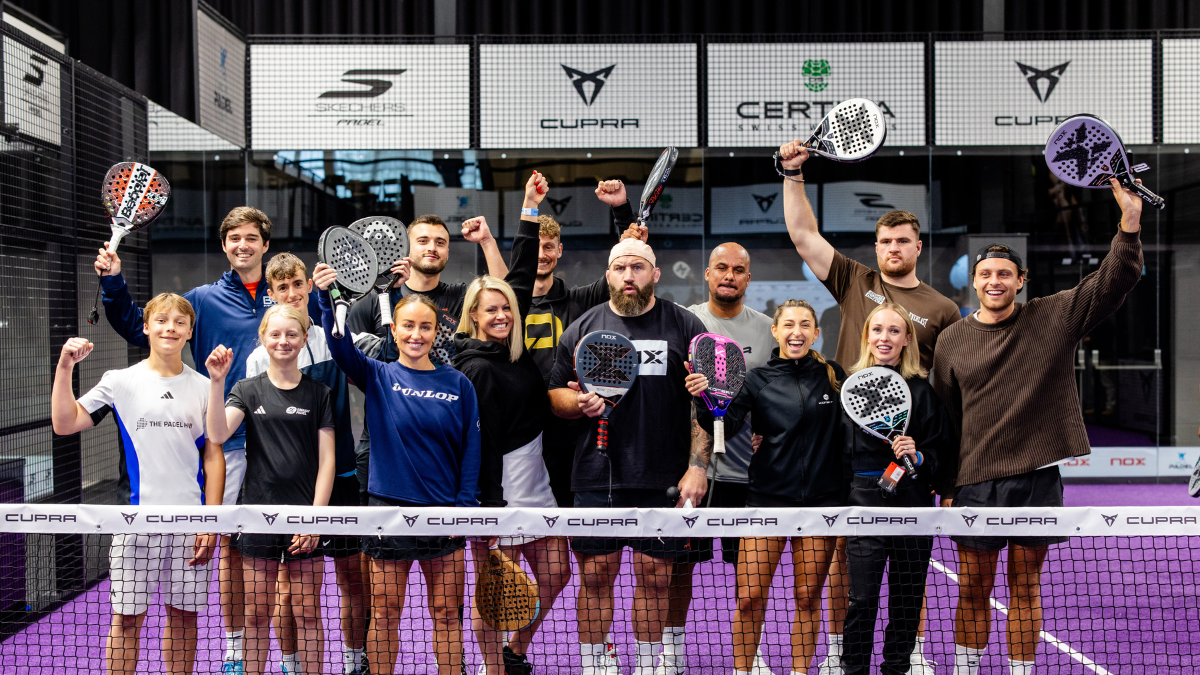



Fewer sports in the UK have burst onto the scene with such vigour as padel. According to the LTA, in 2019, there were around 15,000 padel players; by 2024, this had boomed to over 400,000.
As participation has skyrocketed, as has investment into venues and infrastructure; the LTA alone has invested over £6 million into the sport as of February 2025. This investment has translated into an expansion of available courts – as of July 2025, there were over 1004 courts available for people to play on. In 2019, this was a mere 68.
But as the boom continues, bigger questions are emerging about what comes next for the sport.
Can padel evolve beyond a socially driven trend into a sustainable, credible sport with lasting infrastructure? And what will it take to build elite pathways, develop young talent, strengthen clubs and create deeper fan engagement?

UK Padel CEO and Co‑founder Nick Baker believes the next phase needs to balance accessibility with credibility.
Speaking to Insider Sport, Baker discusses why competition still matters in a socially driven sport, the debate around pay‑and‑play, the need to invest in talent pathways, and the metrics that will determine whether padel becomes a permanent pillar of UK sport.
The full interview is available below.
If social padel is the engine, what chassis is needed to ensure the competitive side drives the sport’s credibility?
Social padel is absolutely the engine of the sport right now because it’s accessible, fun and community-driven and that’s why participation is growing so quickly.
But competition has always been part of padel’s DNA, from club Americanos where everyone gets to play with and against each other, right through to elite tournaments.
The key now is building the structure in between. That means clear pathways from social play into leagues, national competitions and ultimately international representation.
At UK PADEL, we’re helping drive that through high-quality club league events all the way through to nationwide team events that give strong club players a competitive platform in a supportive environment. The UK PADEL County Championships is a great example, it’s quickly become the biggest padel tournament series in the country because people immediately connect with the idea of representing their county.
Participation drives growth, but competition drives aspiration and credibility. The sport needs both.
UK Padel’s Neil Percival highlighted the danger of padel growing faster than the systems that make a sport sustainable. Does embedding it require changing from pay‑and‑play to more membership‑ and academy‑led structures?
Pay-and-play has been hugely important to padel’s growth because it removes barriers and makes the sport easy to try. This accessibility is one of the biggest reasons participation has grown so quickly, and we don’t want to lose that.
But Neil’s point about embedding the sport is an important one. Long-term sustainability comes when players move from simply booking a court to becoming part of a wider ecosystem, whether that’s through coaching programmes or club communities, regular participation in leagues or other competitive pathways.
I don’t think this is about replacing pay-and-play with traditional membership models, as different venues will succeed with different approaches, and many will combine both.
Pay-and-play opens the door, while embedded communities will keep people in the sport longer term. That’s how we’ve seen padel becoming part of people’s weekly routines and, ultimately, part of the UK’s sporting culture.

Social play delivers fast returns, but elite pathways take years. How does padel convince investors that backing junior academies and high‑performance coaching is critical to protecting long‑term value?
The question is what separates one venue from another as the market becomes more competitive and that’s where some operators have pointed towards development and high-performance coaching.
As Padel matures, if a club becomes known for producing top players, delivering great coaching and creating genuine pathways, that becomes a powerful differentiator and draws ambitious juniors, families and serious players to that venue.
The UK’s governing body also appears to be aspiring to follow this model. The Lawn Tennis Association has said it’s investing more into the elite end of padel than any major European nation outside of Spain, which shows there’s already a strong commitment at the top of the pyramid.
And if padel reaches the Olympics in 2032 or 2036, the players representing Great Britain won’t be the top players we see today: they’ll be the juniors being developed in the next few years or even right now.
Courts get people through the door, but talent pathways can make clubs become destinations.
UK Padel champions community, but women and juniors still lag behind tennis in participation. Is this down to branding, or are there structural barriers?
It’s more of a structural issue than a branding issue. Padel is naturally social, accessible and hugely appealing to women and juniors, so the demand should be there.
The challenge is that many clubs are still optimising for short-term court utilisation, and that can often mean prioritising adult players booking peak-time slots at full rates.
The risk is that if clubs don’t intentionally create women-focused and junior pathway programming, including affordable access for younger players, they can unintentionally limit who it feels the sport is for.
At UK PADEL, our community-first model has helped us buck that trend. Our latest club data shows we have around 10% more female participation than the national average, which we’re proud of, but there’s still more work to do. We also have thriving junior programmes including local schools, making padel part of their weekly timetable.
The clubs that thrive long-term won’t just have full courts, they’ll have full communities. That means making sure women, juniors and families all feel padel is for them.
With lifestyle venues booming, is padel’s professional identity at risk, and what must UK Padel do to make sure a 15‑year‑old aspiring pro sees a real career, not just a social sport?
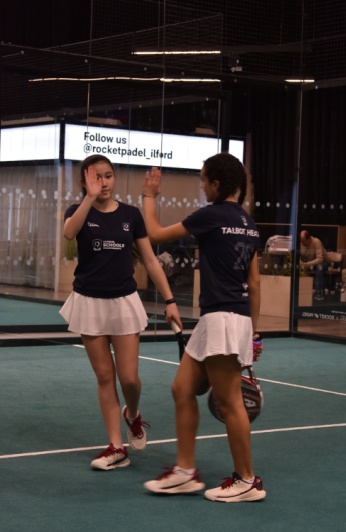
I don’t think lifestyle venues dilute the sport: they’ve been critical in driving participation and making padel accessible. The bigger question is whether the UK market will ultimately support professional padel as a long-term spectator product, and there’s no guarantee of that.
Converting this incredible consumer growth into a sustainable professional ecosystem will be much harder. Right now, most UK players are engaging with padel as something they love playing rather than something they actively watch, and we doubt the vast majority of the one million padel players in the UK could name a single top 10 professional (male or female). That’s just where the market currently is.
For talented juniors, the priority is making sure there are clear coaching and competition pathways so they can develop. Long-term, professional padel in the UK will grow if the product becomes compelling enough for audiences, but participation has to come first.
New sports don’t become major spectator sports overnight, but it will be interesting to see the impact of the London Premier Padel P1 tournament at Olympia this August.
Commercially, what are the key metrics you need to see in the next 24 months to prove padel has moved from a trend to a lasting part of the UK sports ecosystem?
Court numbers will remain an important metric, and there are now around 1,800 padel courts in Britain. But infrastructure growth alone doesn’t prove permanence, as almost every fast-growing activity looks strong when supply is constrained.
The deeper metrics are around retention, utilisation and ecosystem maturity.
We’ll be looking closely at repeat participation rates, peak and off-peak court utilisation, league and tournament participation and whether clubs maintain strong occupancy levels as more venues enter the market.
Another major indicator is demographic broadening. If female participation, junior participation and family engagement continue to rise, that’s a sign the sport is embedding itself more deeply into UK sporting culture.
A useful comparison will be squash and racketball, which have roughly 4,000–4,500 courts across the UK and a deeply established participation base built over decades. Padel is already generating very high participation density relative to its court supply, but the next challenge is proving that engagement remains strong as infrastructure scales.
Ultimately, trends create spikes in demand. Permanent sports create long-term behavioural habits, sustainable business models and multi-generational communities. That’s the transition the industry is now trying to measure.