


The UK Prime Minister wants TNT Sports to show the Champions League final for free – but his own club’s run to the final, a missing legal framework, and his silence on the Europa and Conference League stand to complicate his argument

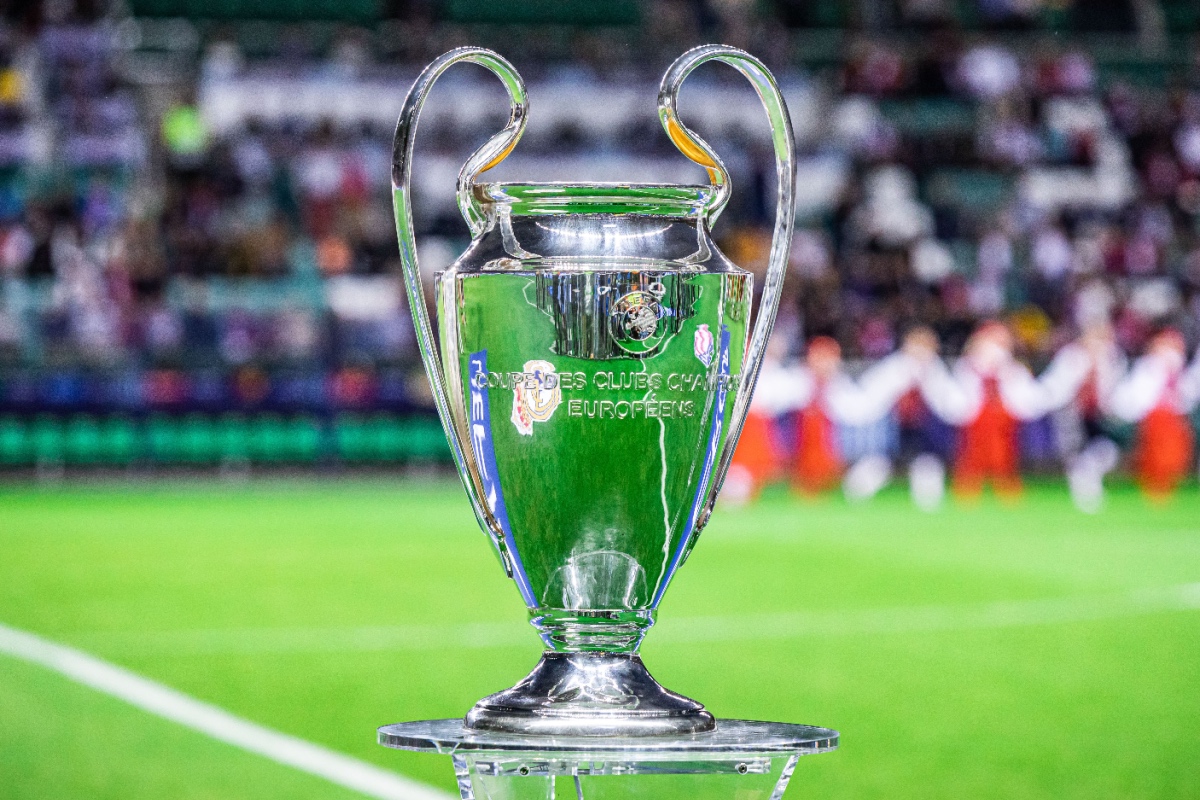
Earlier this week, UK Prime Minister Keir Starmer wrote to TNT Sports expressing his disappointment that hard-working fans must pay to watch a match “of this magnitude”, referring to the UEFA Champions League final between Paris Saint-Germain (PSG) and his beloved Arsenal FC.
His sentiment drew in support from the Football Supporters’ Association (FSA), which joined Starmer in a plea urging the broadcaster to reverse its decision to keep the Champions League final behind a paywall.
TNT Sports holds the exclusive UK rights for all three of this season’s European finals – the Champions League, the Europa League, and the Conference League – all of which feature, or featured, English clubs.
Aston Villa FC were in the Europa League final. Crystal Palace FC in the Conference League final. Both English sides, both behind the same paywall, both on the same broadcaster.
Starmer wrote about none of them. His recent grievances only concerns the Champions League, a game in which Arsenal – the club whose corporate hospitality he accepts, whose season ticket he holds, whose Emirates season he has attended in a private box at taxpayer security expense – were confirmed finalists in the showpiece event.
This is not to say his underlying point is wrong, but principle and convenience are difficult to distinguish when the Prime Minister’s intervention is only directed at the competition his own club is playing in.
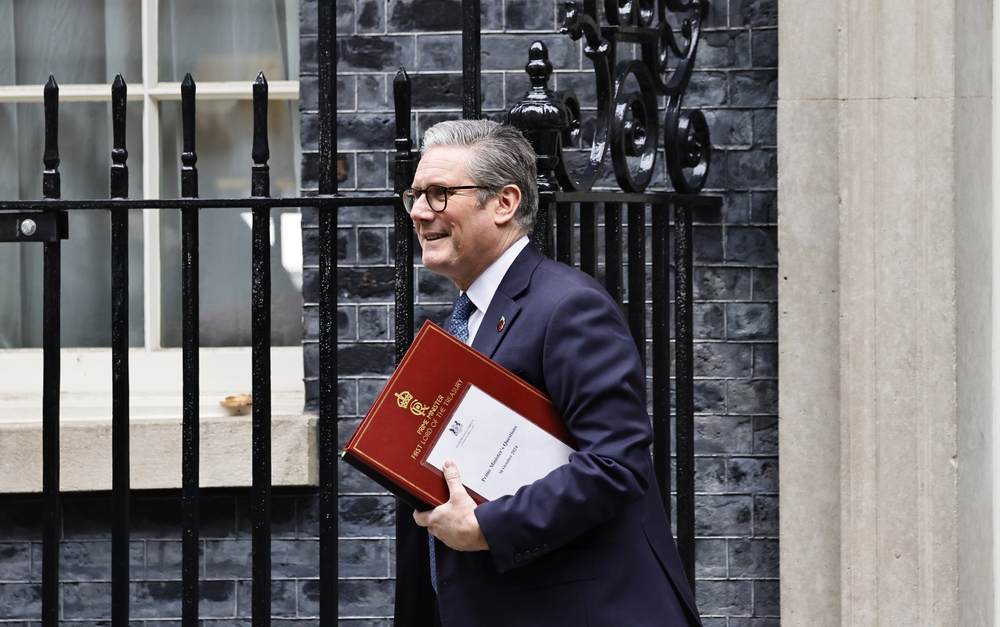
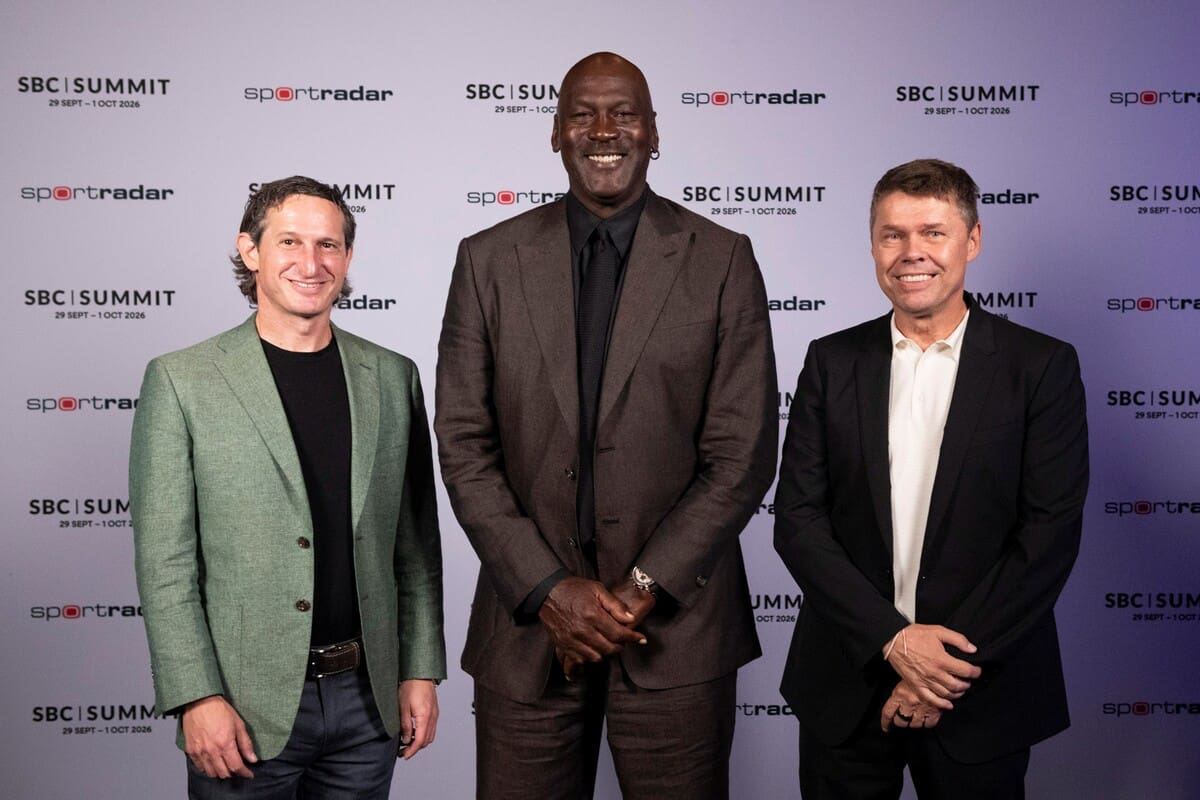
Kier Starmer calls on TNT Sports to air the UEFA Champions League Final for free. Image credit: Sean Aidan Calderbank/Shutterstock.
What the law actually says
The listed events regime – the legal mechanism which forces certain sports onto free-to-air television – is perhaps where the government’s position becomes considerably harder to defend.
The Broadcasting Act 1996 empowers the Secretary of State for the Department of Culture, Media and Sport (DCMS) to designate key sporting events as listed, ensuring they are available live and free to the widest possible audience. Category A events must have live coverage made available to free-to-air channels; Category B events can go to pay television, provided sufficient secondary coverage – highlights, delayed broadcast – is made available.
Previous governments rejected a House of Lords Select Committee proposal to add the Champions League final to the list of protected “crown jewel” events, and the current government has not publicly indicated it plans to revisit that decision.
If there are no plans to revisit the listed events framework – the only legal mechanism which could actually compel TNT Sports to do anything – then Starmer’s letter is advisory at best.
TNT Sports is not breaking any law. It purchased the rights through a legitimate commercial process, struck a deal that expires at the end of the 2026-27 season, and is making a commercial decision to use a rare moment of leverage – three English clubs in three European finals simultaneously – to drive subscriptions to HBO Max, which launched in the UK earlier this year.
That is a business strategy. The Prime Minister writing letters is not a counterweight to a business strategy. The law is.
The £4.99 question
TNT Sports noted subscriptions were available from £4.99 to watch the game, characterising the HBO Max month-long option as “exceptional value”.
The broadcaster’s phrasing will no doubt irritate people who are accustomed to TNT Sports routinely streaming the Champions League final on YouTube for free. But the £4.99 threshold complicates Starmer’s stance that “hard-working people” would be unable to afford subscriptions. At £4.99 for a monthly access point to TNT Sports, the barrier is lower than almost any other premium sporting event in the country.
The grievance football fans will have is not one of financial hardship restricting viewership access, but more the principle an event which has historically been freely accessible is being placed behind a commercial gate.
The FSA statement – backed by Starmer and nine supporter trusts – was more accurate in its framing that free-to-air Champions League Finals are about tradition, a shared national moment and putting fans first.
While most of that is true, the showcase event being a shared national moment is harder to defend – the final in the last two seasons did not feature a Premier League side at all, and even when it does, there are many British fans who’d rather show support to the continental side facing their rival club.
The genuine Category A listed events in the UK – the World Cup, Wimbledon, the Olympics – are protected by statute rather than broadcaster goodwill.
The FSA and Starmer’s statement is attempting to appeal to this ‘goodwill’, which, in the case of TNT Sports, does not align with its commercial ambitions.
If it mattered enough, they would have acted
The government knows how to add events to the listed regime. The process requires the Secretary of State to consult relevant parties and conclude the event meets criteria for special national significance. The Paralympic Games went through this process in 2019.
There is no technical or legislative obstacle preventing the same consultation being opened for the Champions League final.
But it has not been opened, and the government has confirmed it has no plans to open it, which tells you more about institutional priorities than any letter to a broadcaster does.
If Starmer genuinely believes that European club competition finals belong in the public domain regardless of which clubs are playing, the instrument exists. He could use it. He has not used it. He has written a letter instead.