



Media green paper will add on-demand and catch-up sports streaming rights for the World Cup, Olympics and Wimbledon to the listed events regime, keeping them free to watch
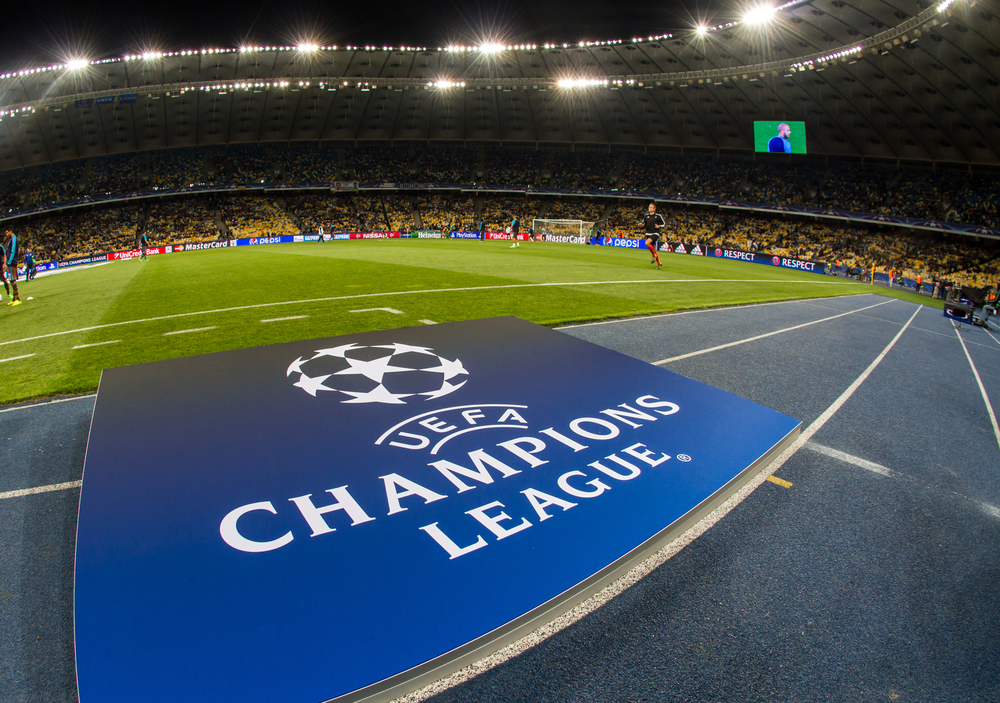
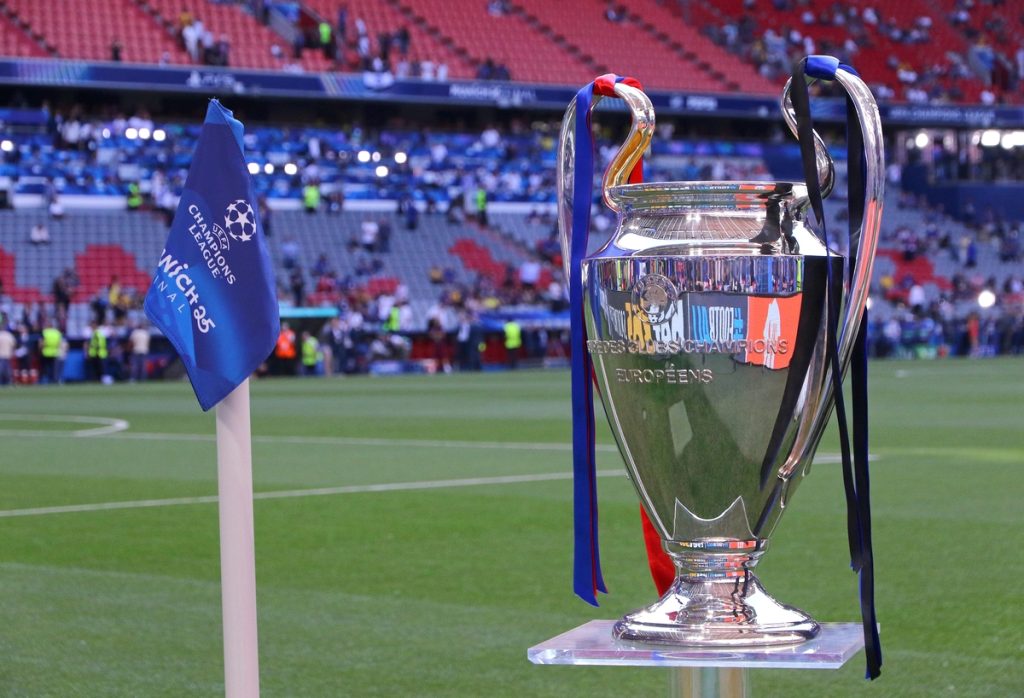
When Arsenal met Paris Saint-Germain in May’s UEFA Champions League final, UK viewers found the showpiece behind a paywall – the first time since 1992 a home audience could not watch the final for free.
Warner Bros. Discovery, holder of the UK rights, kept the game on TNT Sports and its new HBO Max service rather than the free sports streaming it offered for previous finals on YouTube and Discovery+.
Arsenal’s first final in two decades being behind a paywall drew backlash from Keir Starmer. The prime minister’s letter urging TNT Sports to make the final free carried no legal weight without listed-events reform to back it.
Weeks later, the government is reforming that mechanism – for the events it already protects (the Champions League final is not yet one of them).
Watch this Space, a media green paper published by the Department for Culture, Media and Sport (DCMS) on 23 June, proposes adding on-demand and catch-up sports streaming rights to the UK’s listed events regime. The so-called ‘crown jewels’ are guaranteed free live coverage, but the rules reach only live broadcast.
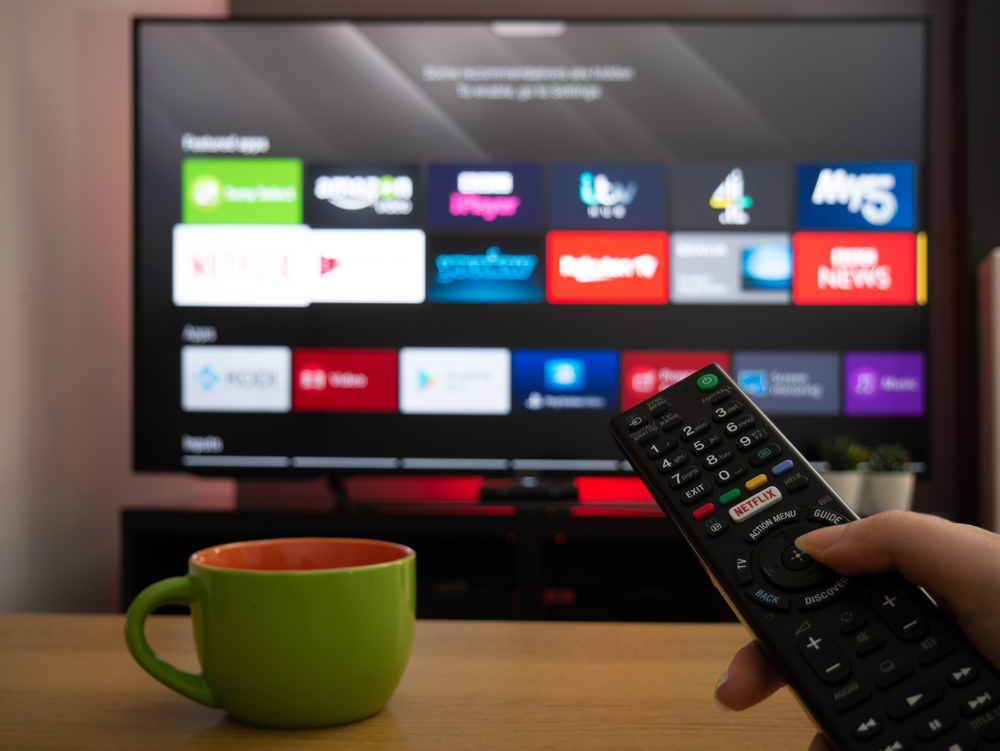
A rights holder can still sell on-demand coverage to a subscription service such as Netflix or Discovery+, leaving viewers to pay to watch a fixture back at a time of their choosing.
Culture secretary Lisa Nandy framed the change around this summer’s World Cup. “Due to the late night kick-offs, so many families are currently following the World Cup by catching up on-demand in the mornings,” she said.
“With these changes we are protecting that for the future, ensuring streaming rights for the biggest sports events must be offered to our public service broadcasters.”
The regime hands public service broadcasters the chance to bid for listed events on fair and reasonable terms, and the department credits it with the 20 million-plus audience for the 2022 World Cup final across BBC and ITV. Extending it to catch-up and replay would carry the guarantee into the coverage audiences increasingly default to.
No plans to extend protected list for sports streaming
Ministers have no plans to lengthen the protected list, which not only excludes the Champions League Final, but the Six Nations rugby championship. Ministers argue the present selection balances free access against competition organisers’ need to raise income from selling rights.
TNT Sports’ UK rights for the Champions League run only to the end of 2026-27, with Champions League coverage moving largely to Paramount+ from 2027.
Subscription platforms have pushed deeper into live sport, and free-to-air broadcasters are under growing pressure to fund marquee tournaments as rights costs climb. Every extension of free-to-air obligations narrows what rights holders can package for the open market, and their valuations rest on the exclusivity the regime restricts.
The BBC and ITV, the principal carriers of crown jewel events, stand to gain most from rules channelling digital rights toward public service providers.
A 2022 report by the DCMS Select Committee urged the previous government to review extending listed events protections to digital and on-demand content. The green paper takes up the recommendation for the existing entries – the World Cup, the Olympics, the FA Cup final, the Grand National and the Wimbledon finals – without adding new ones.
Inside the media green paper
Watch this Space also proposes making trusted news from public service media more prominent on social platforms, reforming the public service media system, and managing a transition to internet-based television in either 2034 or 2044.
Digital terrestrial television will be maintained until at least the end of 2034 while the government weighs the longer-term model. Protections built for a broadcast-only era are being rewritten to follow audiences from linear channels to apps and on-demand libraries.
The consultation will determine how far the regime stretches, with a preferred transition timeline due to be confirmed later this year.