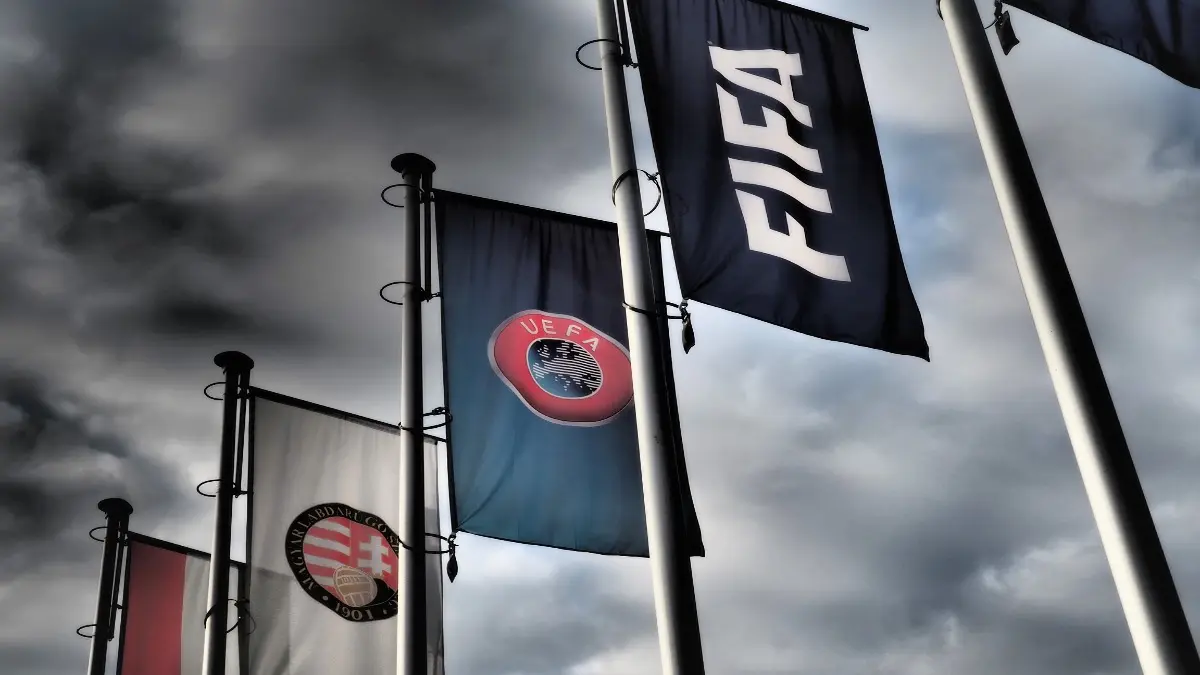



UEFA, European politicians and senior figures across football are putting pressure on FIFA after its handling of the Folarin Balogun controversy raised questions over the organisation’s governance.
Frustration and anger over the decision to suspend Folarin Balogun’s World Cup red card have turned into questions over FIFA President Gianni Infantino’s future.
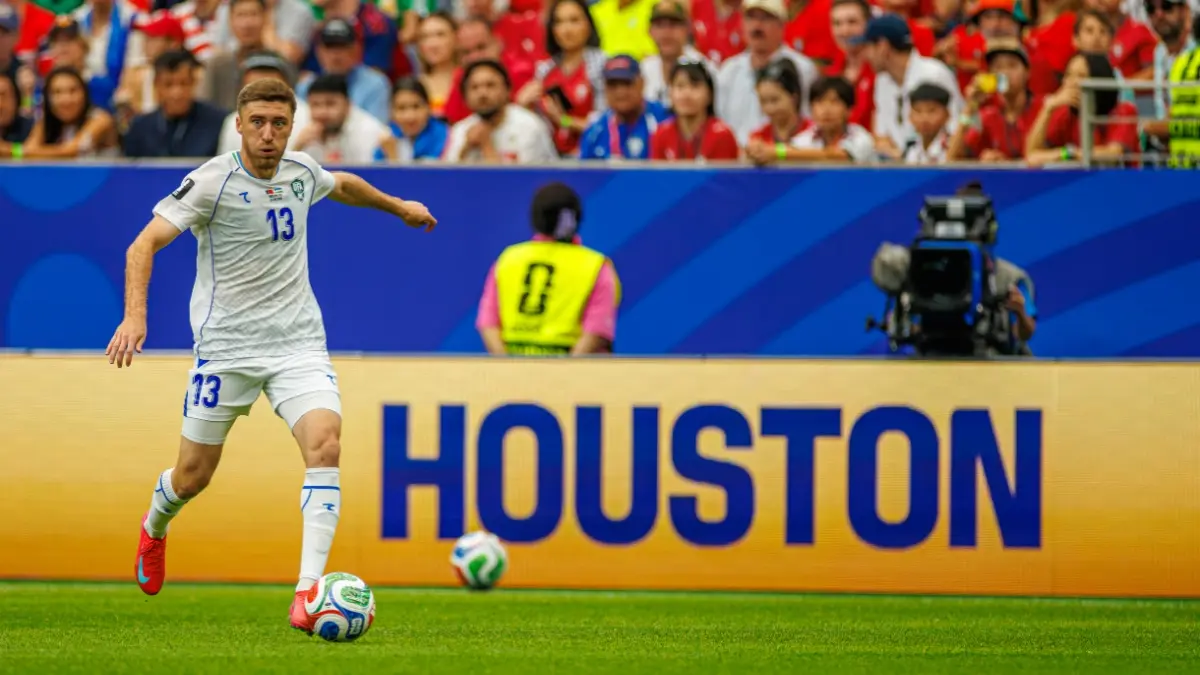
The controversy started after the US Men’s National Team (USMNT) forward was shown a red card during his country’s round-of-32 victory over Bosnia and Herzegovina, which would normally have meant that Balogun would have missed the next round.
However, FIFA’s Disciplinary Committee invoked Article 27 of the FIFA Disciplinary Code on 5 July, suspending the punishment for a year. The decision allowed the USMNT’s top scorer at the tournament to play against Belgium.
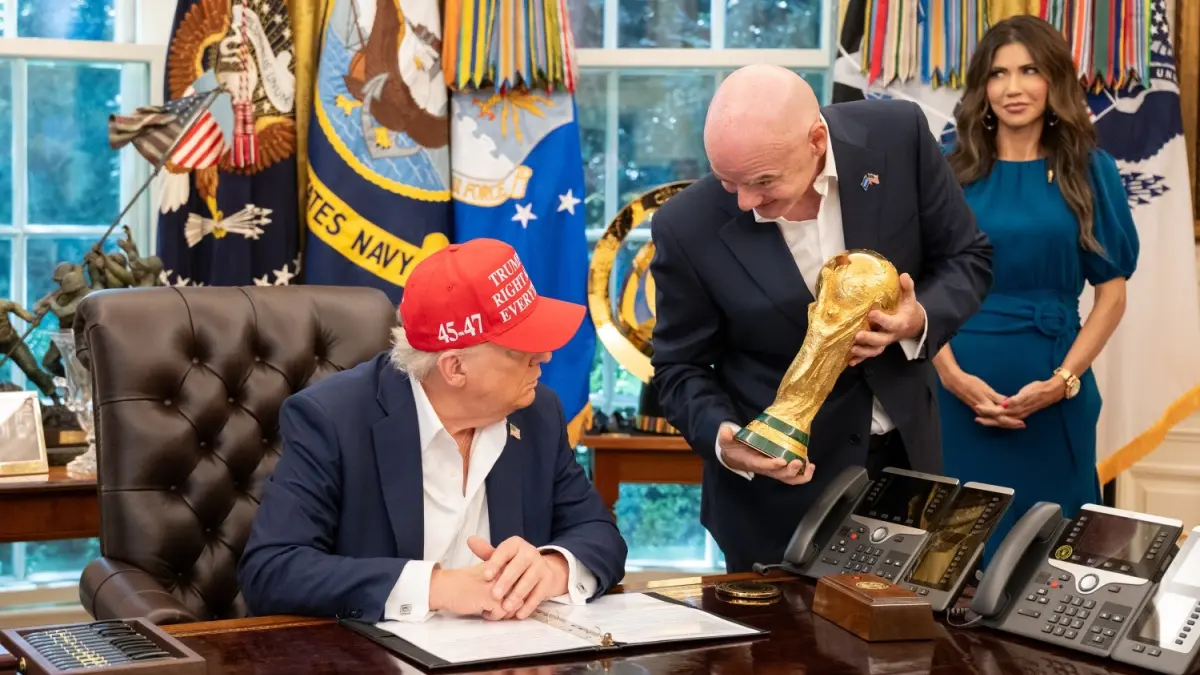
Matters were made worse after US President Donald Trump confirmed that he had personally contacted Infantino to request a review of the incident. Trump thanked FIFA for “reversing a great injustice”, leading to accusations that political pressure had influenced a sporting decision.
FIFA has rejected such claims, insisting that the decision was taken independently by its Disciplinary Committee and that neither Infantino nor Trump had any influence over the outcome. Belgium’s Royal Football Association, UEFA and several football figures have nevertheless questioned the governing body’s handling of the case.
Belgium went on to beat the US 4-1, with players appearing to reference the controversy by performing one of Trump’s signature dance moves after scoring their fourth goal.
European Parliament lawmakers Barry Andrews, Lara Wolters and Niels Fuglsang have called on the football associations of EU member states to ask FIFA’s Ethics Committee to investigate whether political pressure influenced the decision.
In a joint statement, the lawmakers described FIFA’s decision to “change the rule on red card suspensions mid-tournament” as “a disgrace and a perversion of justice”, adding that they believed Infantino and FIFA had “surrendered to the demands of the Trump administration”.
Is Infantino’s job at risk?
Infantino has served as FIFA president since 2016 and is expected to seek another term at the organisation’s next presidential election in 2027.
The election is decided by FIFA’s 211 member associations, with a candidate needing 106 votes to win. Infantino already appears to have secured enough support after receiving backing from several major football confederations.
South America’s CONMEBOL, the Confederation of African Football and the Asian Football Confederation have pledged support. This would mean that he already has 111 votes, unless something changes.
The English Football Association (FA) had reportedly been expected to support Infantino’s re-election bid before the Balogun decision triggered criticism. The organisation has not publicly spoken out, though figures including former FA Chairman David Bernstein have called for Infantino to resign.
Could the Balogun row become a turning point?
Infantino’s position does not appear to be under any immediate threat, yet, but the Balogun controversy has become one of the most significant challenges to his leadership.
The FIFA President has been the target of many comments in recent days, with former Liverpool manager Jürgen Klopp one of those questioning whether football decisions should be influenced by political intervention.
“This is our sport, not theirs,” Klopp said, adding that if Trump and Infantino had influenced the outcome, “it calls everything into question”.
Former FIFA president Sepp Blatter, whose tenure ended amid one of the biggest corruption scandals in modern sport, has also criticised the decision.
“Red cards are not overturned by political phone calls. They are overturned by rules, evidence and independent bodies,” he wrote on X. “ If a U.S. President intervenes with the FIFA President – and a player is suddenly cleared before a World Cup knockout match – the question is unavoidable: Quo vadis, FIFA?
“Football must never become a playground for political power.”