Your article was successfully posted to your social media. Want to share more? Go ahead!
Well, we’ve officially reached the point where a football match is being prescribed for your mental health. I used to call that a Saturday.
Earlier this month, a new pilot launched in Gloucestershire where GPs will offer free football tickets to Forest Green Rovers matches as part of a mental health treatment plan. It’s part of an NHS-backed social prescribing initiative, led by local MP and former GP Simon Opher, aimed at supporting people with mild to moderate depression without defaulting to medication.
The logic is compelling. Football brings people together, gives structure to the week and offers emotional release. Opher believes a matchday could, in some cases, offer more than a month of pills.
When football became a luxury
If you’ve grown up with football, the idea makes a lot of sense. It’s always been something to look forward to, something which brings people together and gives structure to the week. But the thing is, things have changed. And what’s missing from this warm, hopeful story is that football isn’t something you can rely on anymore.
At least not unless someone writes you a prescription it seems.
Because at the top of the game, owners seem determined to put up barriers. Ticket prices are soaring, pushing the sport further away from the people who need it most.
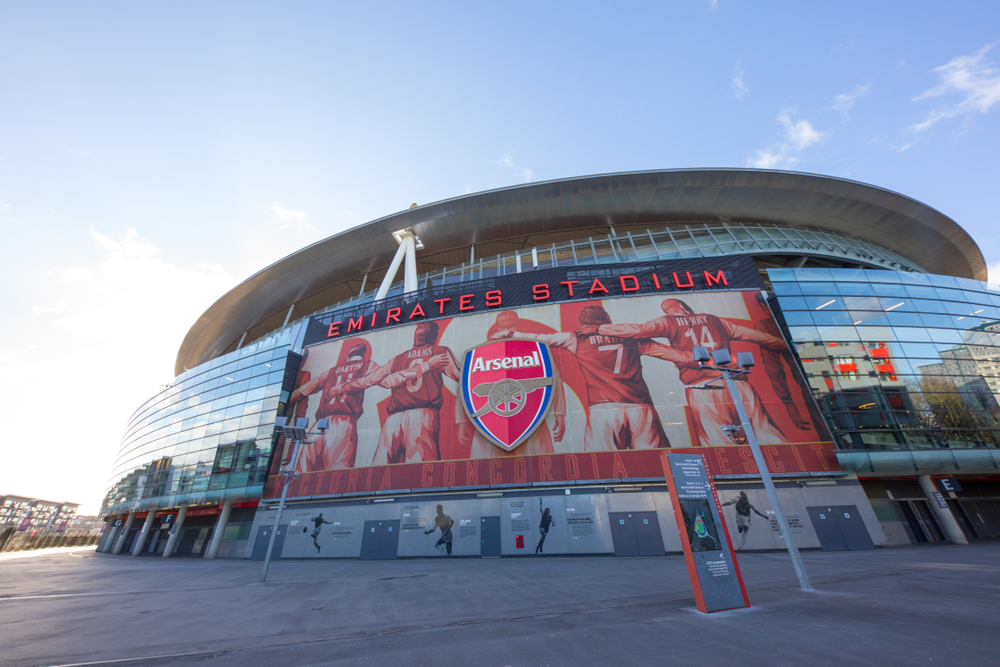
Take the Premier League’s 2025/26 season ticket hikes, for example. Arsenal have raised prices 5% to £1,127, Aston Villa from £640 to £672, and Manchester United from £579 to £608. These are significant jumps, especially at a time when many families are feeling the squeeze.
Matchday prices are rising too. Manchester United recently set the minimum price for a single ticket at £66, with no concessions for children or pensioners. That’s a big ask for any family hoping to enjoy a weekend at the stadium.
I remember around 15 years ago, my dad reluctantly buying me a pie and a drink at halftime. If we still had season tickets now, I’m certain I’d be wrapped in a green and gold scarf and told, “We don’t want to give the Glazers any more money.”
Prescription football: A symptom of a bigger problem
I know what you’re thinking. If Premier League games are out of your budget, why not just go to matches at other local teams instead?
Well, for one thing, Robbie Savage was appointed manager of Forest Green Rovers on July 1, and honestly, I’m not sure his touchline presence is part of any proven wellness plan.
But seriously, it’s not quite the same. For me, watching a random football match doesn’t bring much joy. Like I have said before, I’m not just a football fan, I’m a Manchester United supporter. And sure, they haven’t given me much to celebrate lately, but like any fan will tell you, you need the lows to appreciate the highs… or at least that’s what I keep telling myself.
Football without a team to support is just 22 overpaid men kicking an inflated ball around a field. Yes, there’s a social side to it, chatting about the game or the players with people you only see once a week, but those conversations don’t come easy if you don’t have real passion for the team you’re watching.
And no, those chats rarely dive into personal stuff, because football is seen as a remedy for depression largely because it offers an escape from whatever else is going on in your life. The moment you step into the stadium and the whistle blows, all your worries disappear. You become completely absorbed in every tackle, pass, shot and goal.
So, for someone without a team, going along to Forest Green might just feel like watching strangers run around for 90 minutes. But for others, for people with a bit of history with the club, or those open to forming that bond, the pilot could genuinely work. Because it gives them something football used to offer freely: a sense of belonging, a rhythm to the week, a shared emotional outlet.
What I’m really trying to say is this: the Forest Green pilot works because it restores something that used to be accessible, not just in cost, but in culture. You didn’t need a prescription to watch your team; you just needed a few hours off work and a bit of loose change in your pocket.
Football was a cornerstone of working-class life, a weekly ritual that brought communities together. Now, it’s being repackaged as a form of therapy. That’s not progress. It’s a sign of how far we’ve drifted.
So here’s the question we should be asking: if football is powerful enough to be prescribed as medicine, why is it being priced out of reach for the very people who need it most? If football can heal, it should also include. The responsibility lies with the clubs, the leagues, and all of us who believe the game still belongs to the people.
If you’re in any doubt about football’s emotional power, take a moment to watch Norwich City’s mental health campaign. It remains one of the most powerful pieces of content I’ve ever seen.
September 15 will see SBC organise a ground breaking charity football event in Lisbon. Make sure you get the chance to see some of the most legendary names in football by securing your ticket today at https://www.legendscharitygame.com/








Football can heal – but only if you can afford it
You’ve shared it!
Well, we’ve officially reached the point where a football match is being prescribed for your mental health. I used to call that a Saturday.
Earlier this month, a new pilot launched in Gloucestershire where GPs will offer free football tickets to Forest Green Rovers matches as part of a mental health treatment plan. It’s part of an NHS-backed social prescribing initiative, led by local MP and former GP Simon Opher, aimed at supporting people with mild to moderate depression without defaulting to medication.
The logic is compelling. Football brings people together, gives structure to the week and offers emotional release. Opher believes a matchday could, in some cases, offer more than a month of pills.
When football became a luxury
If you’ve grown up with football, the idea makes a lot of sense. It’s always been something to look forward to, something which brings people together and gives structure to the week. But the thing is, things have changed. And what’s missing from this warm, hopeful story is that football isn’t something you can rely on anymore.
At least not unless someone writes you a prescription it seems.
Because at the top of the game, owners seem determined to put up barriers. Ticket prices are soaring, pushing the sport further away from the people who need it most.
Take the Premier League’s 2025/26 season ticket hikes, for example. Arsenal have raised prices 5% to £1,127, Aston Villa from £640 to £672, and Manchester United from £579 to £608. These are significant jumps, especially at a time when many families are feeling the squeeze.
Matchday prices are rising too. Manchester United recently set the minimum price for a single ticket at £66, with no concessions for children or pensioners. That’s a big ask for any family hoping to enjoy a weekend at the stadium.
I remember around 15 years ago, my dad reluctantly buying me a pie and a drink at halftime. If we still had season tickets now, I’m certain I’d be wrapped in a green and gold scarf and told, “We don’t want to give the Glazers any more money.”
Prescription football: A symptom of a bigger problem
I know what you’re thinking. If Premier League games are out of your budget, why not just go to matches at other local teams instead?
Well, for one thing, Robbie Savage was appointed manager of Forest Green Rovers on July 1, and honestly, I’m not sure his touchline presence is part of any proven wellness plan.
But seriously, it’s not quite the same. For me, watching a random football match doesn’t bring much joy. Like I have said before, I’m not just a football fan, I’m a Manchester United supporter. And sure, they haven’t given me much to celebrate lately, but like any fan will tell you, you need the lows to appreciate the highs… or at least that’s what I keep telling myself.
Football without a team to support is just 22 overpaid men kicking an inflated ball around a field. Yes, there’s a social side to it, chatting about the game or the players with people you only see once a week, but those conversations don’t come easy if you don’t have real passion for the team you’re watching.
And no, those chats rarely dive into personal stuff, because football is seen as a remedy for depression largely because it offers an escape from whatever else is going on in your life. The moment you step into the stadium and the whistle blows, all your worries disappear. You become completely absorbed in every tackle, pass, shot and goal.
So, for someone without a team, going along to Forest Green might just feel like watching strangers run around for 90 minutes. But for others, for people with a bit of history with the club, or those open to forming that bond, the pilot could genuinely work. Because it gives them something football used to offer freely: a sense of belonging, a rhythm to the week, a shared emotional outlet.
What I’m really trying to say is this: the Forest Green pilot works because it restores something that used to be accessible, not just in cost, but in culture. You didn’t need a prescription to watch your team; you just needed a few hours off work and a bit of loose change in your pocket.
Football was a cornerstone of working-class life, a weekly ritual that brought communities together. Now, it’s being repackaged as a form of therapy. That’s not progress. It’s a sign of how far we’ve drifted.
So here’s the question we should be asking: if football is powerful enough to be prescribed as medicine, why is it being priced out of reach for the very people who need it most? If football can heal, it should also include. The responsibility lies with the clubs, the leagues, and all of us who believe the game still belongs to the people.
If you’re in any doubt about football’s emotional power, take a moment to watch Norwich City’s mental health campaign. It remains one of the most powerful pieces of content I’ve ever seen.
September 15 will see SBC organise a ground breaking charity football event in Lisbon. Make sure you get the chance to see some of the most legendary names in football by securing your ticket today at https://www.legendscharitygame.com/