


As Google and Meta face scrutiny over online betting ads, India’s crackdown could disrupt how sports platforms grow, advertise and engage fans.
Last month, India’s Enforcement Directorate (ED) opened an investigation into illegal online betting, summoning Google and Meta as part of a probe into how these platforms may have enabled gambling apps to reach Indian users.
The case, pursued under the Prevention of Money Laundering Act, examines whether unauthorised betting operators used digital advertising to facilitate financial crime, including tax evasion and money laundering.
Google’s team appeared before the ED in New Delhi on July 28, submitting to questioning and is expected to provide further documentation, including a statement from its designated compliance officer.
Insider Sport understands Meta did not send a representative, despite receiving the same summons.
If found to have played a part or profited from the promotion of illegal gambling, both companies could face criminal prosecution, financial penalties and potential operational restrictions in one of their most important growth markets.
The ED has also stated celebrities, influencers and sports figures involved in related ad campaigns are under investigation.
Meanwhile, as reported by SBC News, a Public Interest Litigation filed in the Supreme Court is calling for a nationwide ban on online betting apps, claiming many are disguised as fantasy or skill-based games and pose serious risks to young users.
What’s the problem?
India’s rules on gambling ads are some of the toughest in the world.
The Cable Television Networks (Regulation) Act gives the Ministry of Information & Broadcasting (MIB) power to regulate ads on TV, cable and digital platforms.
In June 2022, the MIB banned betting-site ads on all digital media. This included social media, streaming services, news websites and the big tech ad platforms like Google and Meta.
A key legal point is that games of skill, such as fantasy sports, rummy and horse racing are generally allowed to advertise as long as they follow rules like showing risk disclaimers. However, advertising for games of chance, like casino games and lotteries, are banned outright.
The line between skill and chance is often blurred, with some operators pushing this boundary, leading to confusion and legal challenges.
A possible ripple effect on Indian sports
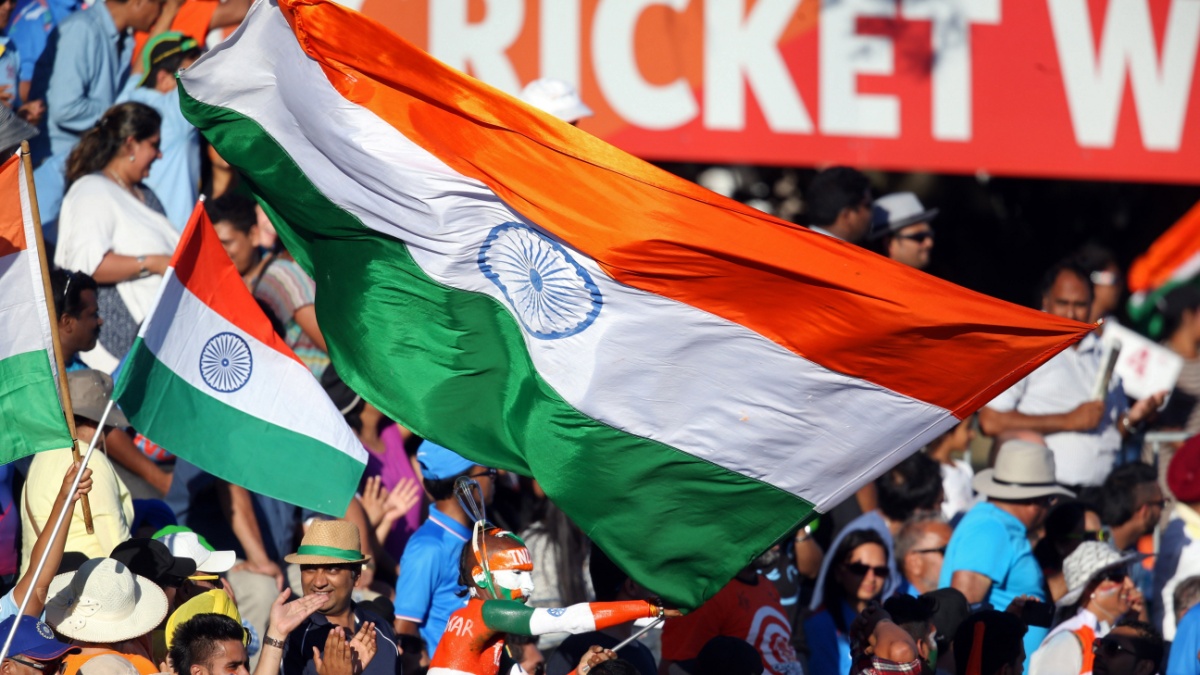
Digital ads are a key revenue source for fantasy sports platforms in India, especially during major events like the IPL or ICC World Cup. During these competitions, there is usually a surge in ad spending as sports-tech firms compete to attract users.
With the blurred lines between “skill” and “chance” games and increased ED scrutiny, it might seem like Google and Meta would simply pull fantasy sports ads to avoid trouble. However, a full withdrawal is unlikely.
Fantasy sports fall within India’s legal “skill-game” category. Pulling ads for this group would risk billions in revenue connected to competitions like the IPL. Both Google and Meta earn huge sums from advertising in India.
According to Fintrackr analysis cited by Entrackr, India’s top 15 fantasy sports and real money gaming platforms collectively spent roughly $620m on advertising in 2022, a 27% year-on-year increase.
Therefore, rather than banning the category outright, they are likely to tighten compliance rules. Advertisers may need to prove “games of skill” certification, comply with geo-fencing to block ads in states with betting bans and face stricter scrutiny of their landing pages to remove any real-money betting.
Historically, Google and Meta tend to suspend individual advertiser accounts that violate rules instead of blocking entire sectors. The pair will likely increase automated filters and manual reviews, requiring more documentation and assurances from advertisers.
This means longer lead times for campaigns, higher activation costs and sponsors demanding strict compliance guarantees.
While fantasy sports ads are legal under current laws, increased enforcement raises the compliance bar significantly. If tech giants clamp down too hard, fantasy firms could lose access to mainstream ad inventory, disrupting growth. This impact would affect leagues, teams and broadcasters reliant on marketing spend.
Fantasy sports sponsorships are a major part of Indian sport, with IPL and Pro Kabaddi teams featuring fantasy brands as key partners. Harder scrutiny could threaten these deals, putting clubs and leagues at reputational and financial risk.
Looking forward, Google has said it’s cooperating fully by removing millions of ads and suspending accounts that break the rules. Meta, on the other hand, has missed multiple ED summons.
September 15 will see SBC organise a ground breaking charity football event in Lisbon. Make sure you get the chance to see some of the most legendary names in football by securing your ticket today at https://www.legendscharitygame.com/