


After years of debate, AC Milan and Inter Milan have finally sealed the deal for the San Siro.
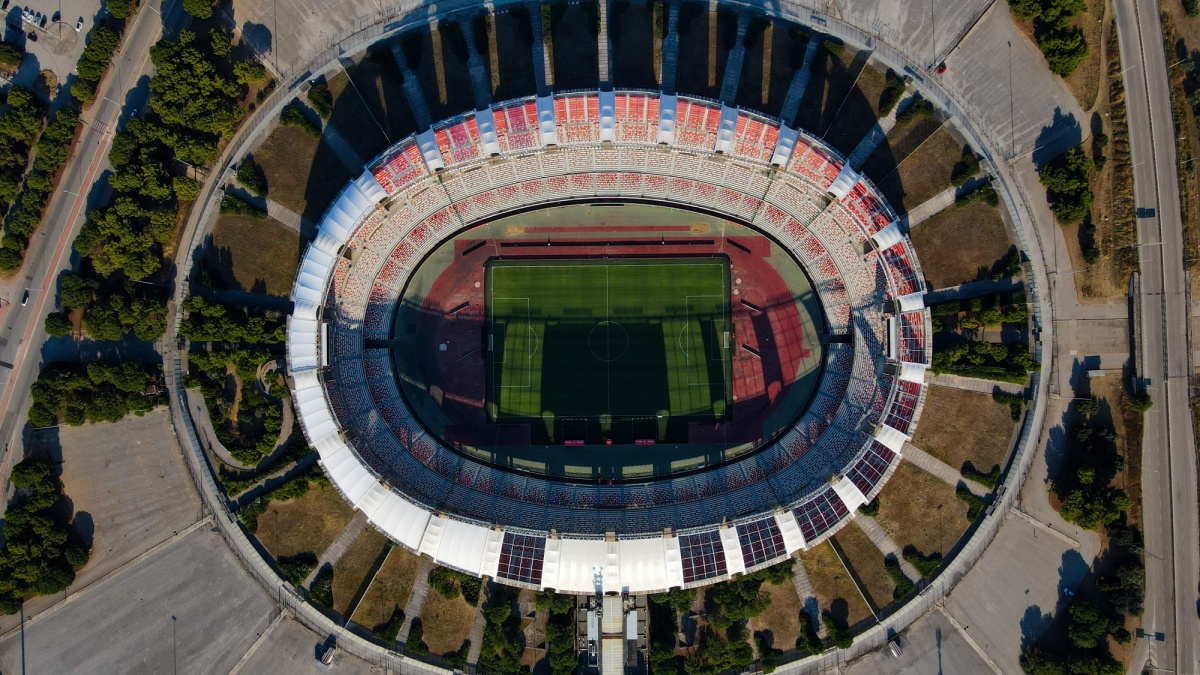
AC Milan and Inter Milan have signed the deed of sale with the Municipality of Milan for the San Siro stadium and its surrounding area, paving the way for a new stadium and wider urban redevelopment.
Announced on November 5, the deal was completed through Stadio San Siro S.p.A., with financing provided by Goldman Sachs and JP Morgan as co-lead arrangers, alongside the clubs’ banking partners Banco BPM and BPER Banca.
The agreement marks the latest step in a process both clubs have pursued since 2019, with the motivation behind the project both financial and sporting. AC Milan and Inter see a modern, purpose-built venue as key to boosting revenue, particularly through expanded hospitality and commercial opportunities.
The project would also strengthen Milan’s position as a major host city ahead of Italy’s co-hosting of the UEFA European Championship in 2032 alongside Turkey.
However, construction is not expected to begin immediately. The existing San Siro will continue to host matches, including the opening ceremony of the 2026 Winter Olympics, before work begins on the new site nearby.
The proposal and design
The new stadium will sit at the heart of a larger redevelopment project, and is expected to hold around 70,000 spectators. It will be surrounded by commercial and residential spaces.
While most of the existing San Siro will be replaced, parts of the structure will be retained to preserve its historic legacy.
AC Milan and Inter have appointed Foster + Partners and MANICA to design the new stadium and the surrounding masterplan.
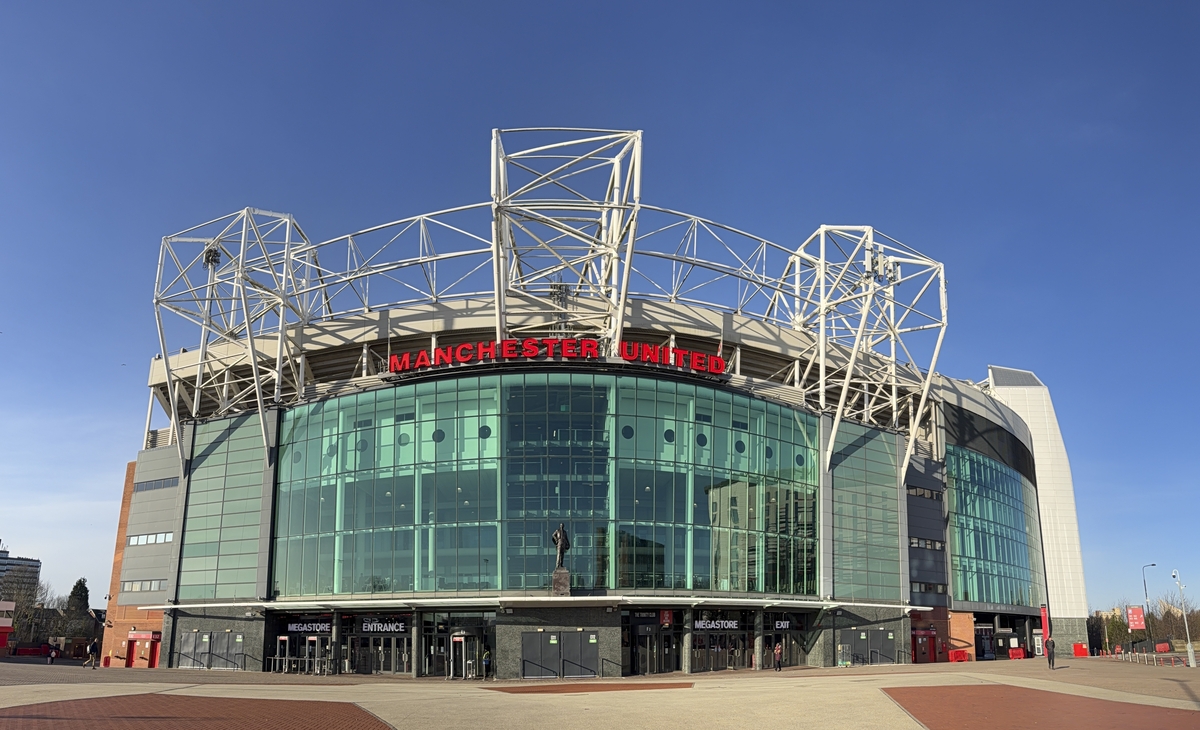
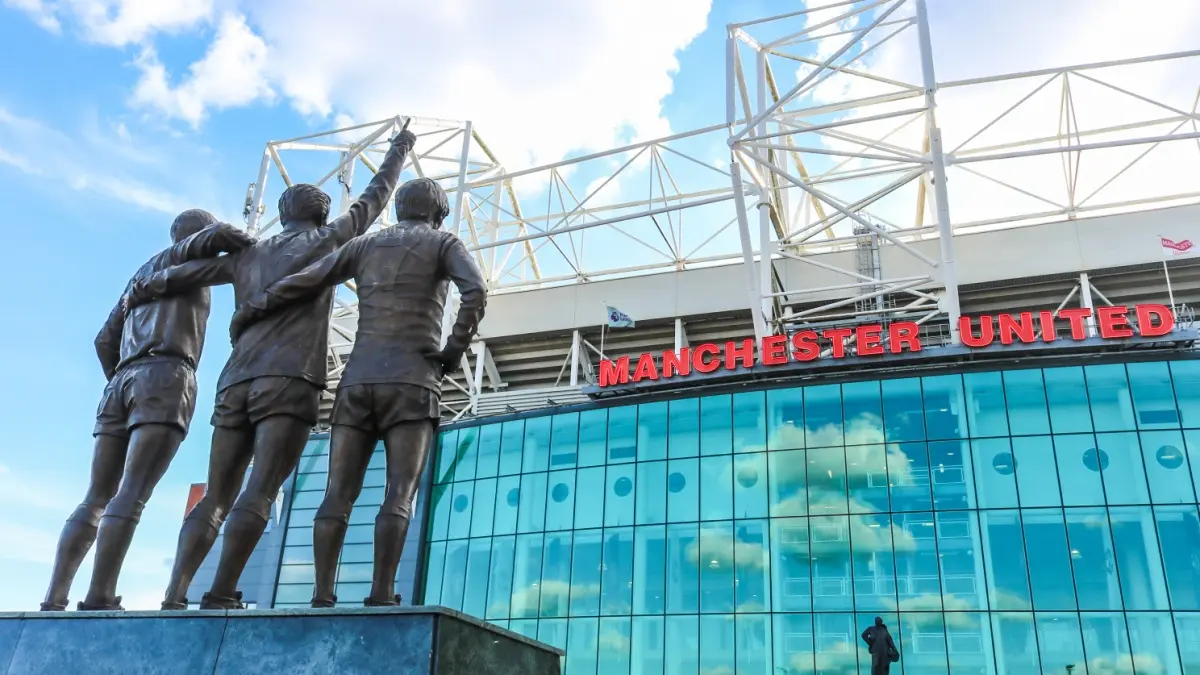
Foster + Partners recently drew attention for its conceptual design for a potential new Manchester United stadium, featuring a distinctive umbrella-like roof, and is also known for its work on Lusail Stadium, the centrepiece of the 2022 FIFA World Cup in Qatar.
Both clubs have highlighted sustainability, accessibility and innovation as key pillars of the development.
In a press release shared with Insider Sport, both Italian clubs said the project aims to reflect “the sporting and cultural vocation that defines the San Siro district and the entire city.”
A fast process
While discussions around redeveloping or rebuilding the San Siro have been ongoing for years, the pace of progress in recent months has been remarkable.
In March 2025, both clubs submitted a project feasibility document to the Municipality of Milan, outlining their plan to acquire the Giuseppe Meazza stadium, better known as San Siro, and the surrounding area.
This announcement was particularly notable as it meant instead of redeveloping the existing ground, the clubs proposed building an entirely new stadium, which they said would be a more efficient use of funds.
At the time, a joint statement read: “Over the next few months, the two clubs will engage with the Municipal Administration to discuss and refine the details and distinctive elements of the proposal, aiming to complete the acquisition process by July 2025.”
In September 2025, Milan City Council officially approved the sale following a 12-hour debate which ended around 3 am CET. The motion passed narrowly by 24 votes to 20.
Abstentions reportedly played a crucial role in the outcome. Forza Italia, while noting flaws in the proposal, chose not to vote, citing the project’s potential to create jobs and drive urban regeneration.
Now, barely two months after said decision, the deeds have been signed.
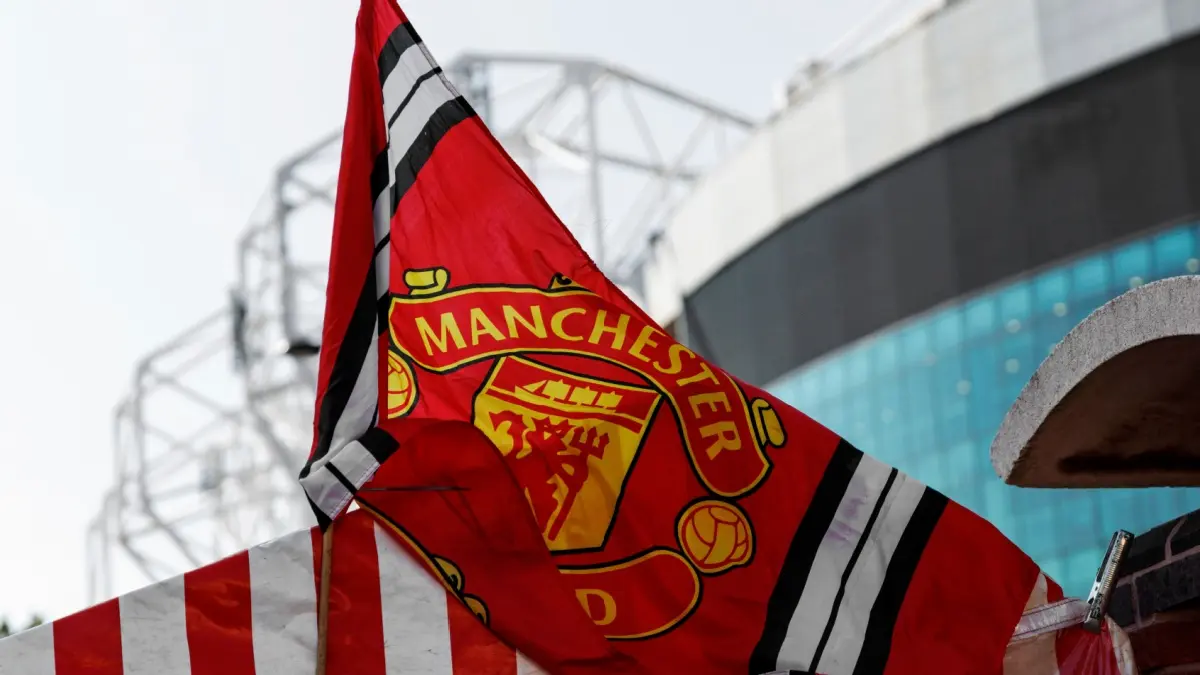
It’s the kind of progress that Manchester United can only envy. The Premier League club remains locked in negotiations with freight company Freightliner over land next to Old Trafford, which the club says is essential for building a proposed 100,000-seat stadium.
Talks have reportedly stalled, with United offering around £50m ($65.13m) while Freightliner is said to be seeking closer to £400m. The club is now exploring alternative designs that would require less land in an effort to speed up its own stadium project.