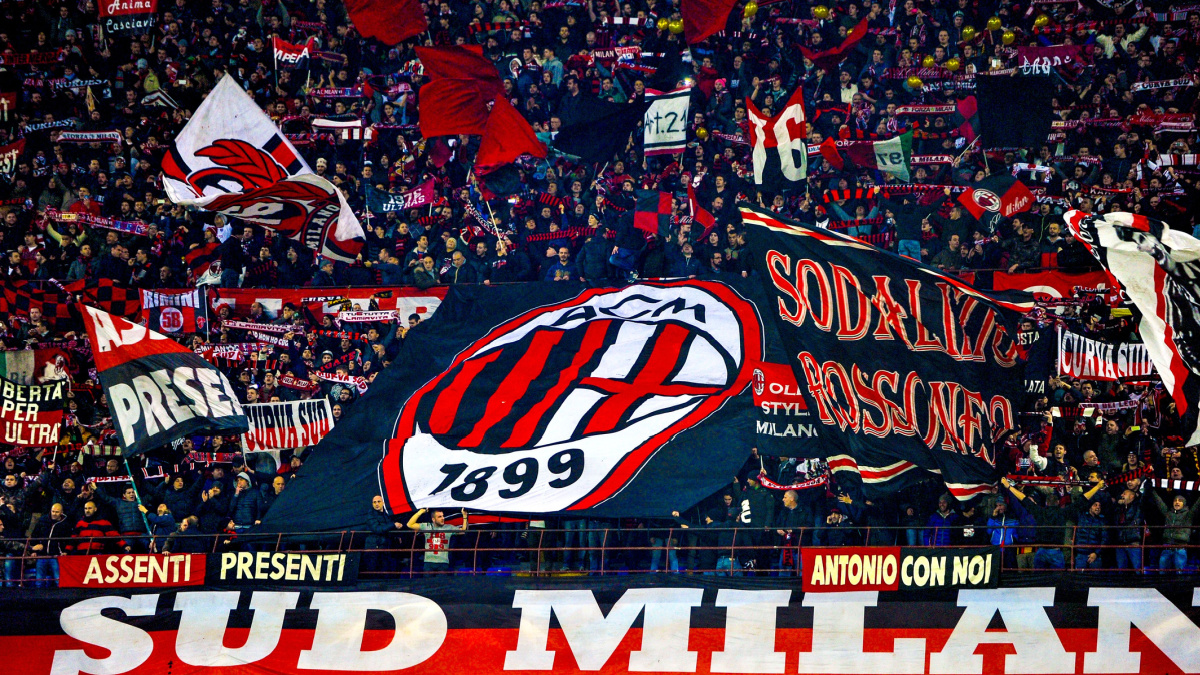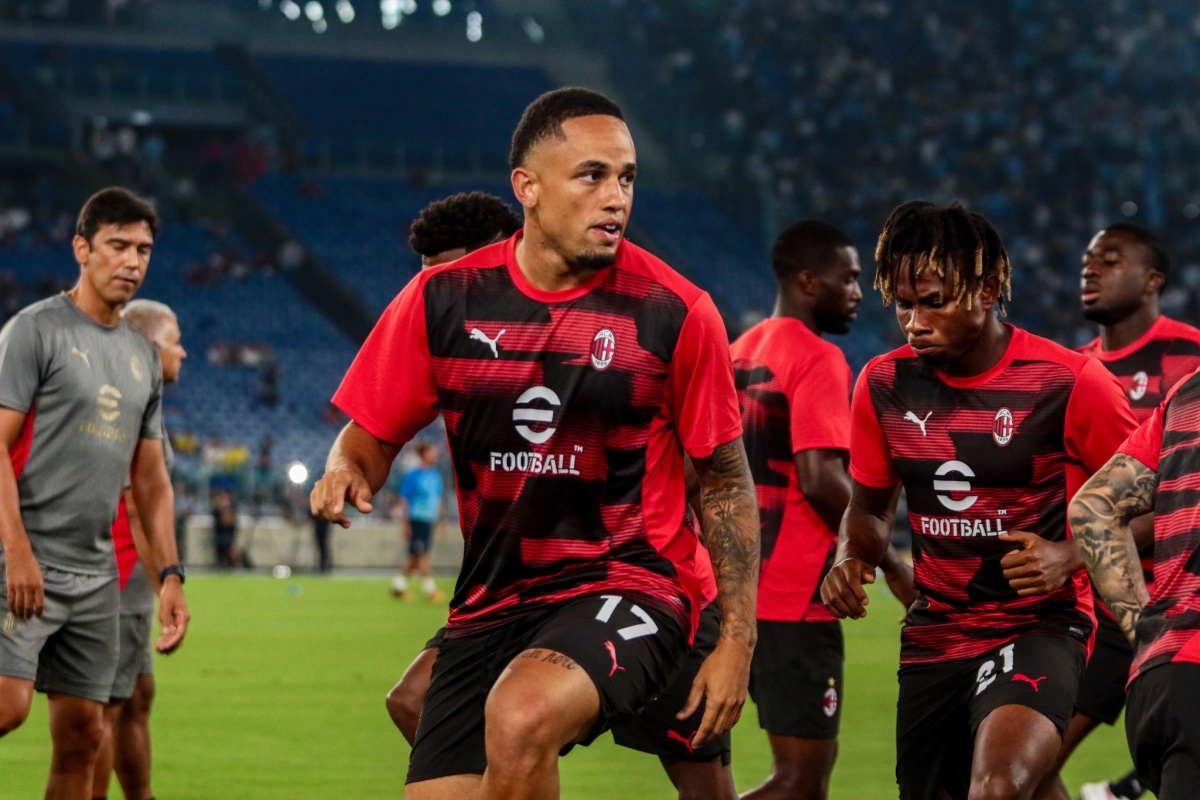



With AC Milan’s financial outlook continuing to surge, it has set its sights on a regeneration project of the surrounding San Siro area.
AC Milan has achieved a net profit for a third consecutive season and record revenues for the 2024/25 financial year.
Ending June 30, 2025, the Rossoneri posted a record €494.5m in revenue, a 10% increase year-on-year (YoY), alongside a net profit of €3m. This was largely attributed to the growth in commercial and sponsorship revenues, which generated €152.3m, up by 6% from last year.
Sponsorships such as front-of-shirt partner Emirates and Puma paid €21m and €25.3m, respectively, in revenue. Commercial revenues and royalties stood at €61.2m, a club record and an increase of €8.2m from the year prior.
Revenue from audiovisual and media also increased by €1.9m from the 2023/24 financial year, backed by broadcast rights revenue from its 8th placed finish in Serie A and elimination from the UEFA Champions League’s play-off knockout phase.
AC Milan’s worst league finish since 2014/15 resulted in a lower Serie A broadcast revenue of €83.4m. However, due to the change in format of the Champions League, its broadcast rights revenue from the competition increased by €16m to €70.7m, finishing 13th out of 36 clubs.
Other revenue came from managing player rights which made a “significant contribution” according to the club, rising by 30.6% YoY.
Net financial debt amounted to €92.6 million, an increase of €43 million compared to the 2023/24 financial year.
A San Siro departure is set
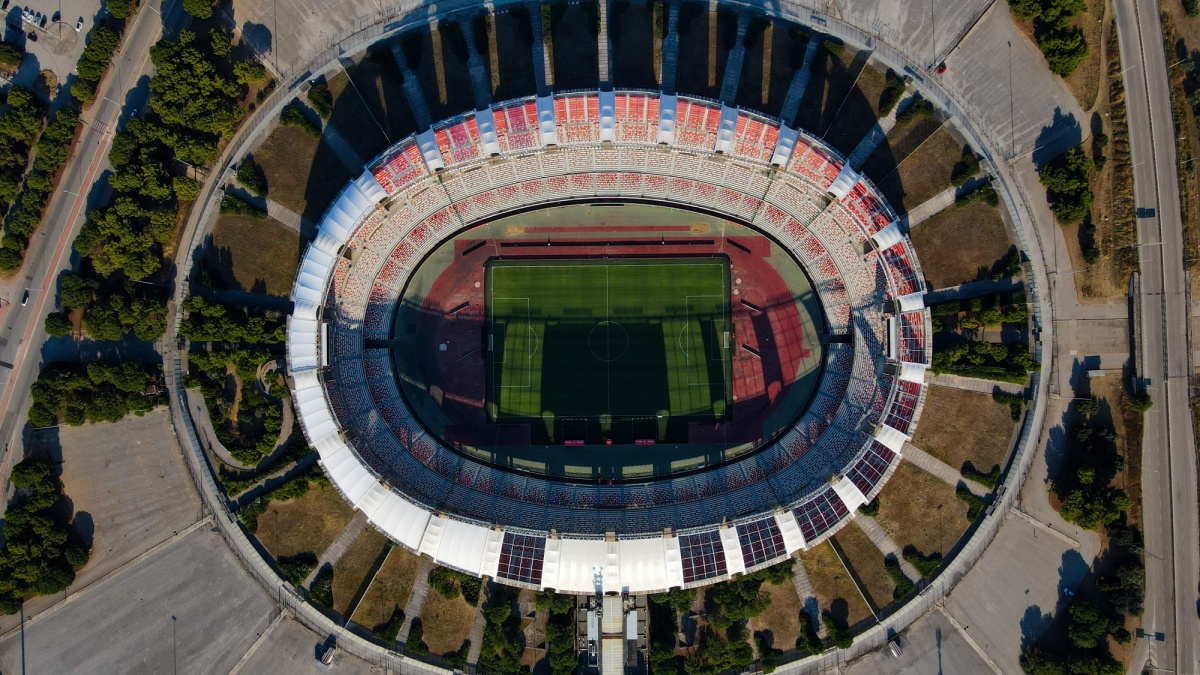
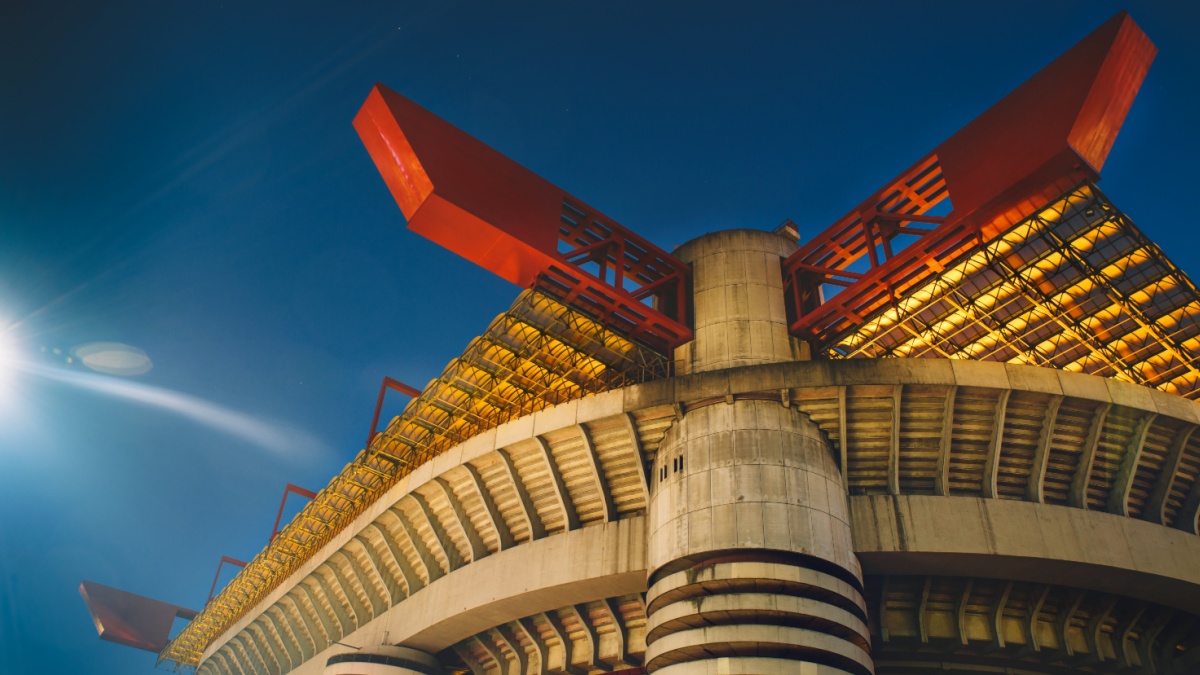
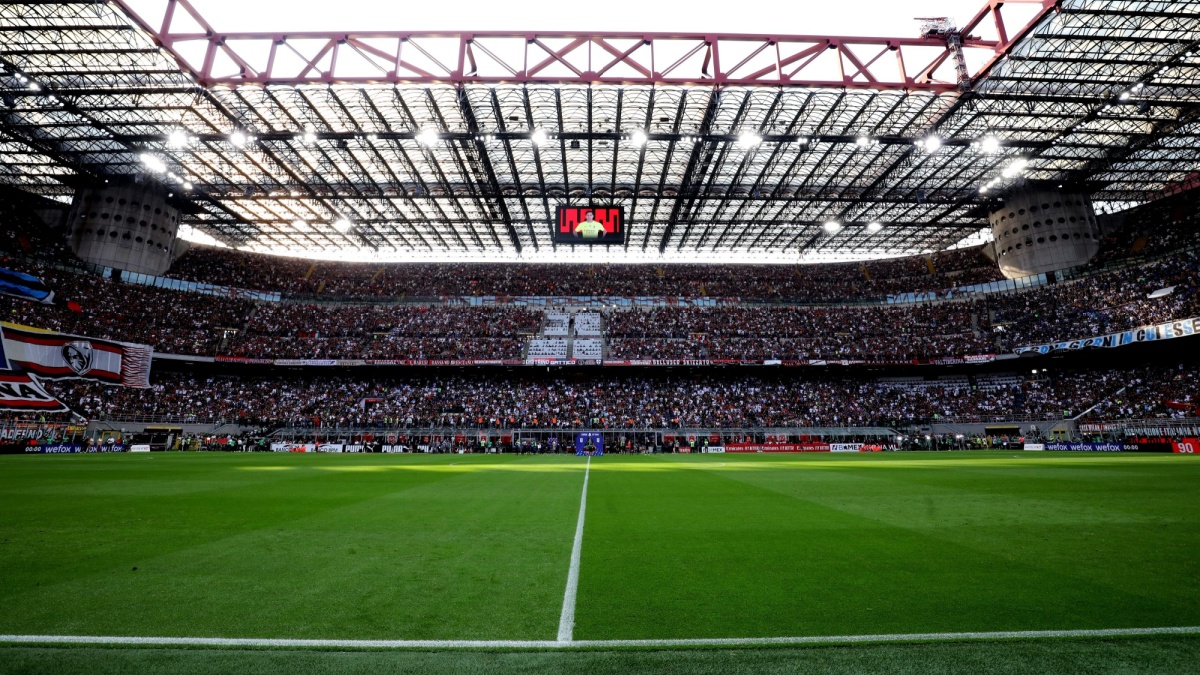
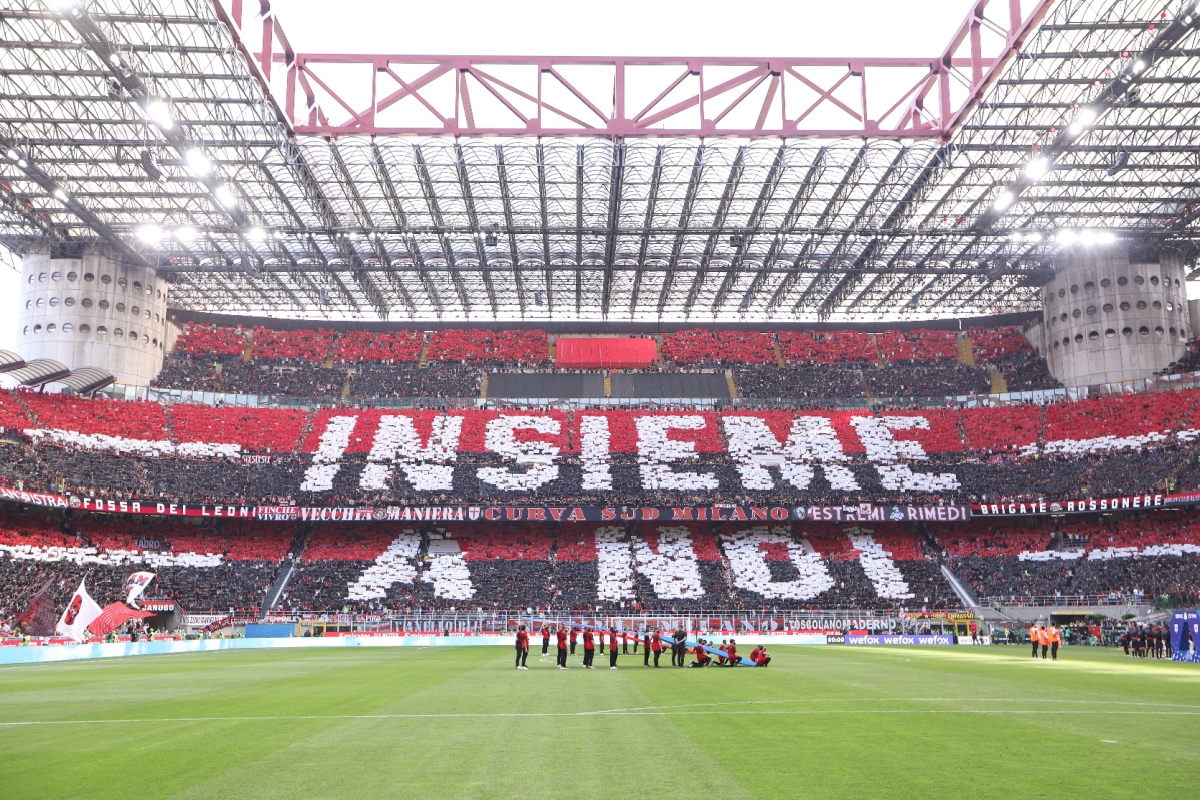
Announced within AC Milan’s financial report was the confirmation the club and Internazionale had agreed a deal with the Municipality of Milan to buy the San Siro stadium and its surrounding area.
This will ultimately see the demolition of the near 100-year old stadium, one of the most iconic in European football having played host to World Cup and European Championship matches, as well as Champions League finals.
In the San Siro’s place will be the development of a new 70,000-plus seater stadium for both Milan and Inter. ESPN reported both clubs are expecting to be moved into the new stadium by the start of the 2030/31 season.
The club stated the new stadium project is a “core principle” of the club’s development plan to bring forth a “new symbol both of the club and the city of Milan, but will also benefit Italian football as a whole”.
Stadiums are the new revenue drivers
It appears both Milan clubs are viewing a new modern-art stadium as a means to generate further revenue as many European clubs have done in the past several years.
One of the most notable examples of a new stadium generating significant income for a football club is Tottenham Hotspur. The Premier League moved into the Tottenham Hotspur Stadium in 2019 and has since held NFL matches, and musical concerts beyond Tottenham matches.
Spurs held 30 major non-football events at the stadium throughout 2023, significantly contributing to the club’s £255.2m in commercial revenue, which was the club’s highest revenue category for the 2023/24 financial year.
Other football clubs have also either moved into new stadiums or renovated stadiums to mirror similar revenue opportunities as Spurs have achieved.
Everton has begun its first season at the new Hill-Dickinson Stadium, Aston Villa and Leeds United have also announced plans to renovate their respective stadiums too, and FC Barcelona is on the verge of completing its renovation of the Spotify Camp Nou.