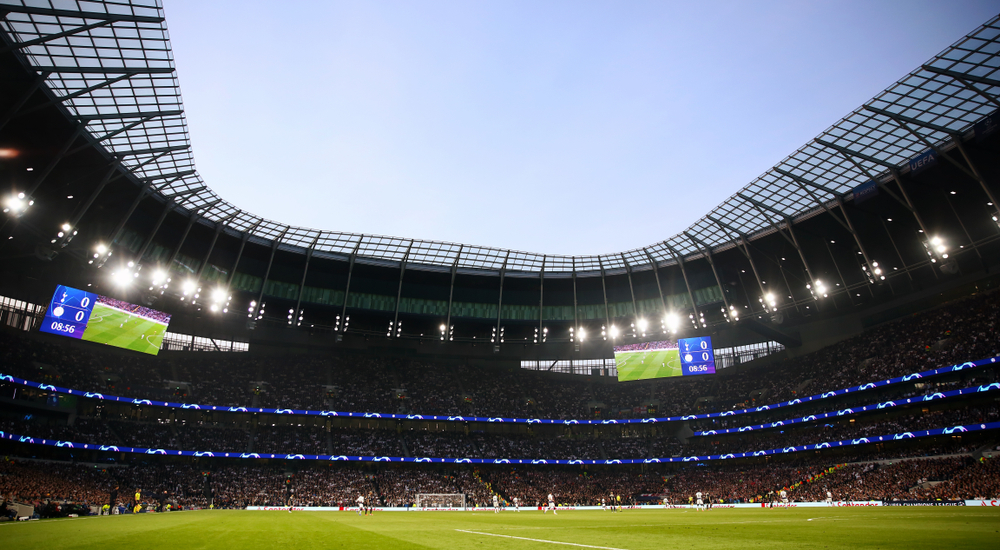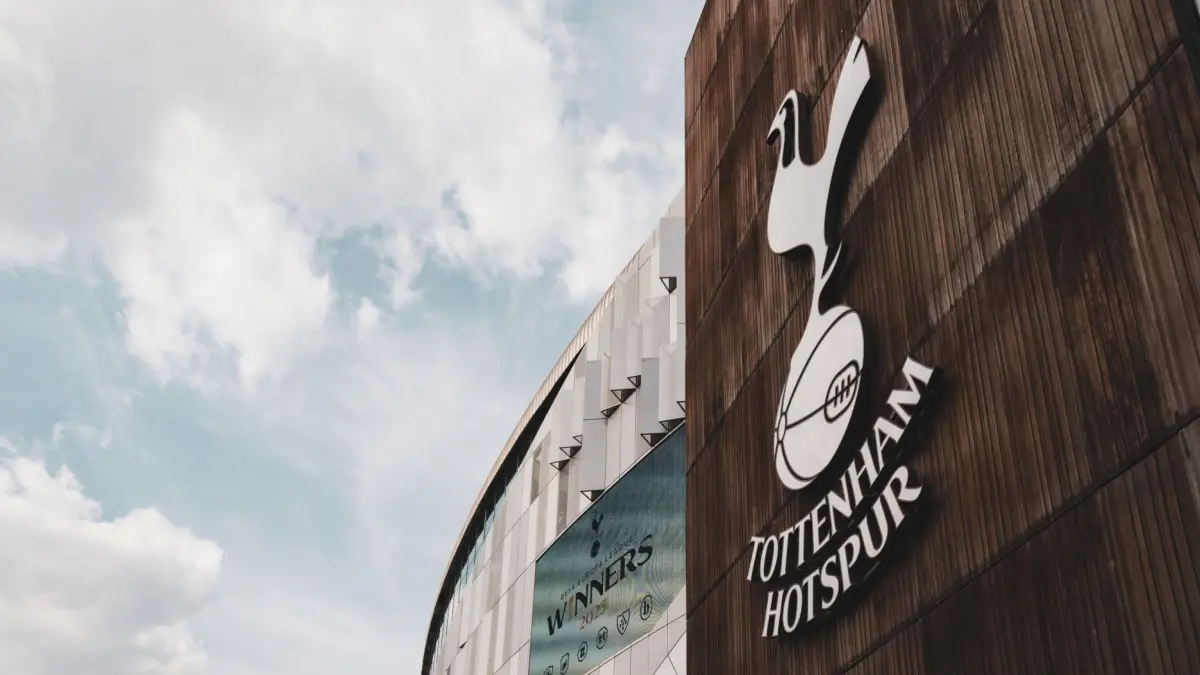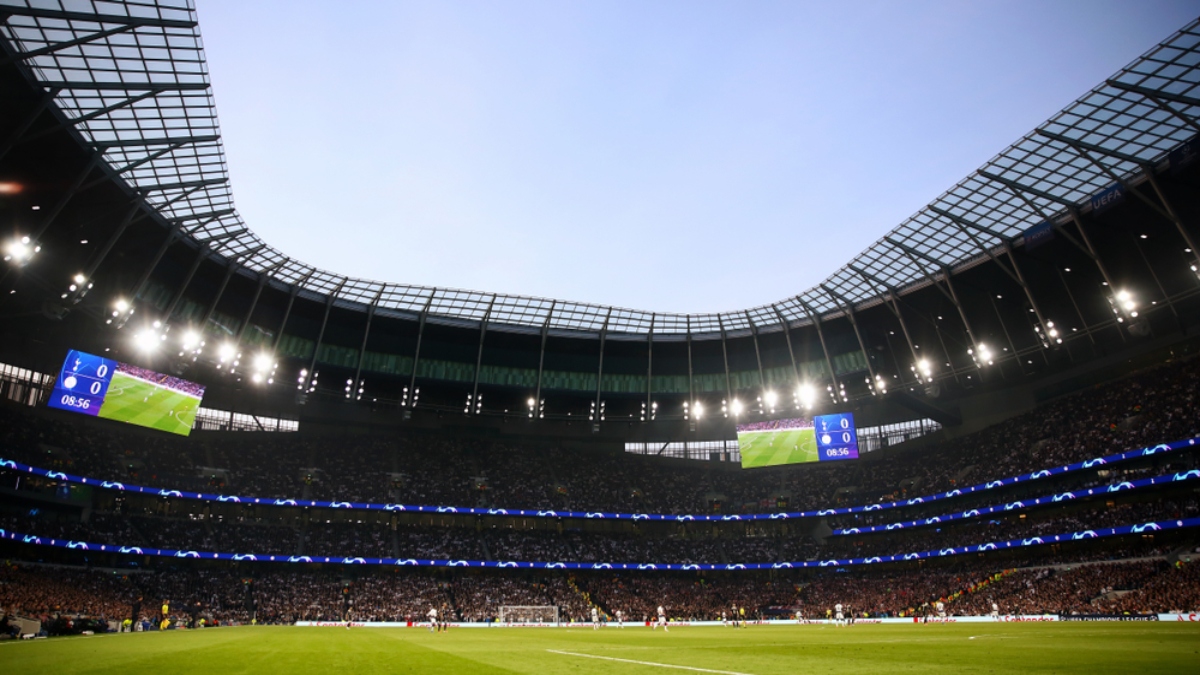



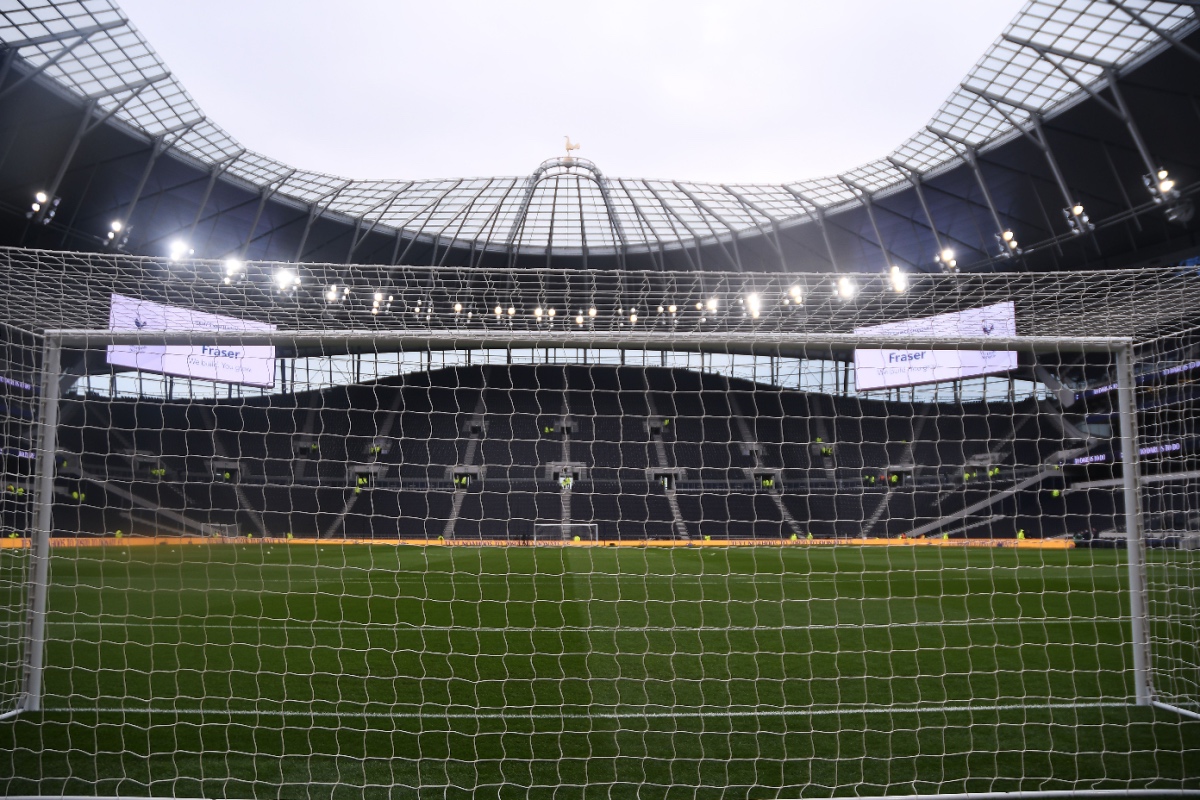
Whether it’s Tottenham Hotspur’s $2.6bn (£2bn) move to its new state-of-the-art stadium in North London, or Everton FC’s recent opening of the Hill Dickinson Stadium, English football clubs no longer view new stadiums as a necessity, but a way to redefine how they are perceived.
The same trend is visible in the US, where NBA and NFL teams such as the Los Angeles Clippers, Buffalo Bills and Tennessee Titans are either building new multi-purpose stadiums or undertaking major renovations to bring their venues in line with next-generation fan expectations.
Explaining the new stadium and redevelopment trends across both sides of the Atlantic to Insider Sport, Martin Nanni, Chief Solutions Officer of Globant, reveals why sports venues are now “multi-purpose hubs for concerts, esports and other large-scale events”.
Nanni also goes in-depth on the different approaches English football owners and US sports franchise owners undertake in building out the infrastructure of these venues, why digital-first infrastructures are meeting evolving fan needs and the similarities between English and US stadiums.
Read the full interview below:
Has the increase in new stadiums/redevelopments across English football underscored the commercial value of adopting new-age technologies for the matchday experience and matchday revenue?
Stadiums serve a bigger purpose than just going to watch football. They are now destinations where every touchpoint can drive commercial value.
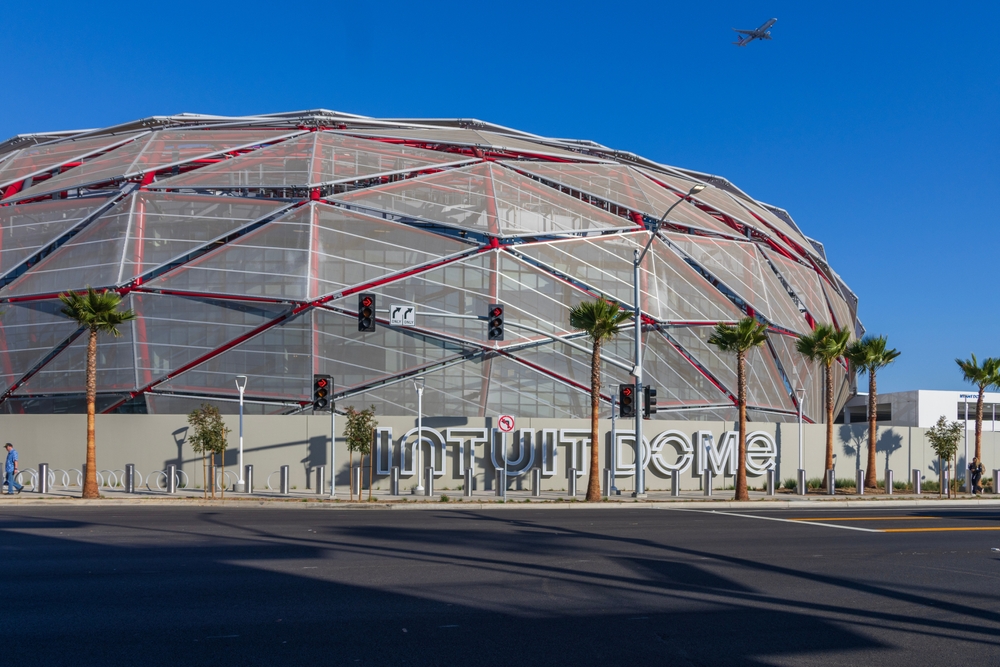
In the US, we’re already seeing the impact of embedding technology at the design stage. At Intuit Dome, for example, more than 400,000 fans in the first six months have experienced biometric entry and cashier-less retail across 40-plus outlets. That has cut queues dramatically and made transactions up to four times faster than in traditional venues.
In Europe, however, the focus will be on contactless fan journeys enabled by NFC and mobile technology.
In the UK, Everton’s new Hill-Dickinson stadium is a great example of how clubs are starting to embrace this thinking. It’s an architectural landmark, but also part of a wider regeneration project designed to make the Bramley-Moore Dock waterfront a destination beyond matchdays.
Where the opportunity lies is in taking this a step further, and weaving in the digital layers that not only preserve heritage but also make the fan journey seamless. We’re now working with our sports technology division, Sportian, to build operating systems that bring together ticketing, fan engagement and operational data into one connected environment.
That’s what will make UK stadiums commercially sustainable in the long term, making stadiums entertainment destinations.
Are executives quickly realising the commercial value in hosting entertainment events outside of regular matchdays and how has this evolved over time?
Yes, and it has become essential to the stadium business model. A modern venue cannot afford to sit idle between fixtures, it needs to be a year-round destination.
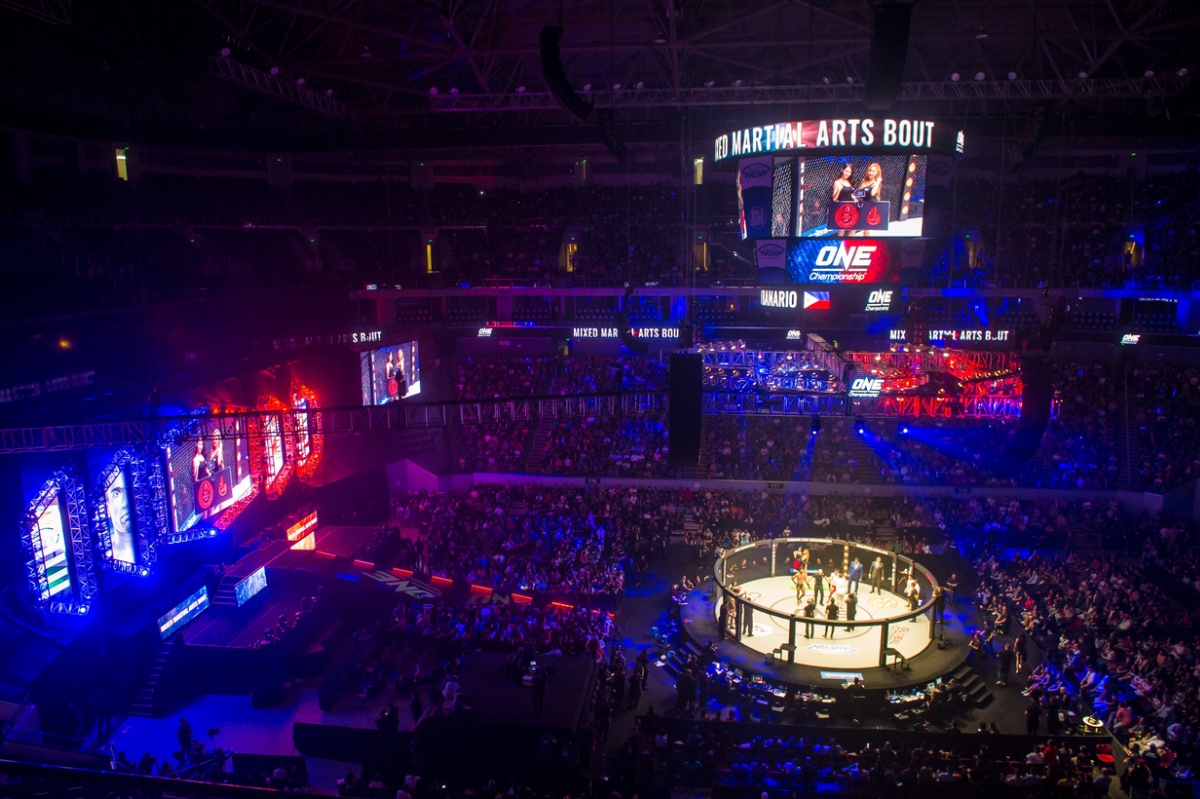
We’re seeing a clear shift in how clubs and owners think about their grounds: they’re no longer just football venues, but multi-purpose hubs for concerts, esports and other large-scale events. The same digital infrastructure that supports a matchday can power those experiences too, from frictionless entry to personalised content.
The Tottenham Hotspur Stadium was built with dual-use in mind, hosting not only Premier League fixtures but also NFL games, boxing matches and major music concerts. That sort of flexibility embeds the stadium into the cultural and commercial life of London.
Stadiums in the US are also rapidly developing. What are the similarities and differences as to why US franchise owners are also building/redeveloping stadiums?
The ambitions are consistent everywhere and clubs want to generate revenue and deepen fan engagement.
Where we see differences is in how quickly technology is embedded. In the US, digital innovation is often designed from the start, so the infrastructure supports everything from seamless entry to personalised loyalty and engagement.
Technology brings the opportunity to deepen the conversation with fans. Today, a huge percentage of the people in a match are anonymous. How much deeper could engagement be if that experience could be extended pre-and-post match?
In Europe, adoption is more incremental, with a stronger emphasis on preserving architectural heritage and atmosphere — and less appetite for biometrics compared with the US. Instead, NFC, mobile integration and digital layers will be the real drivers of fan journeys.
In England, the focus has traditionally been on architecture, atmosphere and preserving heritage, all of which are vital to the identity of football. But if technology isn’t layered in alongside those elements, the risk is that the matchday experience feels traditional at a time when fan expectations are moving rapidly forward.
What can English football club owners learn from US sports franchise owners, and vice-versa, in some of the approaches to not just building a new stadium, but the infrastructure around these venues to create immersive fan experiences?
It’s an interesting juxtaposition. English clubs could afford to be more ambitious with how they use technology to enhance the fan journey. Innovations like frictionless entry, personalised engagement, or seamless in-venue commerce show how digital tools can transform not just operations but also the atmosphere inside a stadium.
Take the Intuit Dome which I mentioned earlier, which is using mobile technology to power shopping without a point of sale, positioning the check-out free technology as part of a broader experience, where concessions are just one component. These payments can speed processing and marketing, reduce queues and can be used by the venue as a way to study how people engage with the arena.
On the flip side, US franchises can learn a lot from English football’s deep-rooted traditions and sense of community. Supporters value history and authenticity just as much as comfort and convenience. The future of stadium design will come from blending those strengths: pairing cutting-edge digital ecosystems with the heritage and culture that keep fans emotionally connected to their clubs.

Why are stakeholders also placing significant interest in state-of-the-art hospitality areas and VIP packages within these new stadiums and redevelopments?
One reason is obviously commercial but the second is brand statements. It’s about exclusivity, convenience and prestige.
Hospitality is becoming a showcase for how clubs want to be seen on the world stage, combining luxury with digital-first innovation to elevate their brand.
Why should stakeholders also place an emphasis on retaining some semblance of legacy from the previous stadium when building a new stadium, in order to keep the sports team aligned with the fans’ passion for the team?
Heritage is a form of emotional currency. When a new stadium overlooks this, it risks creating distance between the club and its most loyal community, which we know is huge in the UK, especially for football fans.
Preserving legacy doesn’t have to mean resisting change as you can weave history into the new environment. That could be through architecture, dedicated spaces for memorabilia, or even digital storytelling that celebrates past moments alongside new experiences.
The most successful venues are those that manage to feel both state-of-the-art and familiar, giving fans a sense of home while moving the matchday into the future.
What is one glaring omission you have witnessed so far from some of the new stadiums when it pertains to elevating the match-going experience?
Too often, the digital layer is what’s missing. You can have an incredible piece of architecture, but if fans are still queuing endlessly for food or struggling to connect to wifi, the overall experience quickly falls short.
What makes the difference is integration where everything works together. In venues where that’s been prioritised, fans spend less time waiting and more time immersed in the event itself.
For many new stadiums, particularly in the UK, this remains the biggest opportunity, matching the quality of the physical environment with the same standard of digital experience, through connected systems that unify fan and operational touchpoints.
What can a new state-of-the-art stadium, or redevelopment, do for a sports team’s brand, either in the UK or US?
A stadium has the power to redefine how a club is perceived. More than a venue, it’s often the first impression for fans, players, sponsors, and international audiences.
When it’s done well, a new stadium signals ambition. Whether that’s through sustainability credentials, cutting-edge design, or the ability to host global events. It becomes part of the brand story, shaping how the club is positioned in the wider sporting and entertainment landscape.
For teams in both the UK and US, that means a modern stadium isn’t just an operational upgrade, it’s a strategic tool for growth and global recognition.