


Basketball appears to be extremely vulnerable to betting manipulation, with the latest alleged scheme in NCAA showing just how easily outcomes can be influenced.
US prosecutors have charged 26 people in connection with an alleged international scheme to fix NCAA Division I men’s basketball and Chinese Basketball Association (CBA) games.
The scheme, revealed on January 15, involved players, alumni and professional bettors who allegedly bribed athletes to underperform, influencing the outcome of games and generating millions in wagers.
The alleged fixers, including Jalen Smith, Marves Fairley, Shane Hennen, Antonio Blakeney, Roderick Winkler and Alberto Laureano, are accused of recruiting players both in China and the US to participate in point-shaving schemes.
Point-shaving is when players deliberately reduce their team’s margin of victory. The team may still win, but the outcome is manipulated so gamblers can profit on the point spread.
“The stakes here are far higher than anything on a bet slip,” said US Attorney David Metcalf at a news conference in Philadelphia.
“The criminal charges we have filed allege the criminal corruption of collegiate athletics through an international conspiracy of NCAA players, alumni and professional bettors. When criminal acts threaten to corrupt such a central institution of American life, the Department of Justice won’t hesitate to step in.”
The Federal Bureau of Investigation’s Philadelphia Field Office led the two-year investigation, which authorities say uncovered bribe payments ranging from $10,000 to $30,000 per game. Officials allege the fixers targeted underdog teams and players for whom the payments would meaningfully supplement Name, Image and Likeness compensation.
Prosecutors claim the defendants fixed or attempted to fix more than 29 NCAA games and a series of CBA contests, making wagers totaling millions of dollars.
The scheme in action
According to the indictment, the scheme began in September 2022 with the CBA. Defendants Fairley and Hennen allegedly recruited players to underperform in games, tasked with making sure their teams failed to cover the spread and then placed large wagers against those teams.
One of the top scorers for Jiangsu Dragons, Blakeney, is accused of having joined the scheme and helped recruit teammates. Federal authorities say nearly $200,000 in bribe payments and proceeds from the CBA scheme were later left in a Florida storage unit belonging to Blakeney.
After allegedly profiting in China, the fixers turned to the NCAA, enlisting Smith, Winkler and Laureano to target collegiate players.
Meeting in-person and using social media, texts and calls, the defendants allegedly offered bribes ranging from $10,000 to $30,000 per game to influence outcomes, focusing on underdog teams or players who could benefit most from payments.
Prosecutors allege the defendants manipulated more than 29 NCAA games involving over 39 players on 17 Division I teams.
Payments were reportedly made in cash on campuses, with wagers placed to capitalise on the players’ underperformance. Officials say the scheme generated significant proceeds for both the fixers and the athletes involved.
The 26 defendants are set to appear in federal court in the Eastern District of Pennsylvania, where prosecutors will pursue charges including bribery in sporting contests and wire fraud. Bribery carries a maximum sentence of five years in prison and a $250,000 fine, while wire fraud and conspiracy charges could bring up to 20 years behind bars.
Authorities have warned additional arrests or charges could follow as the investigation continues.
Is basketball an easy target?
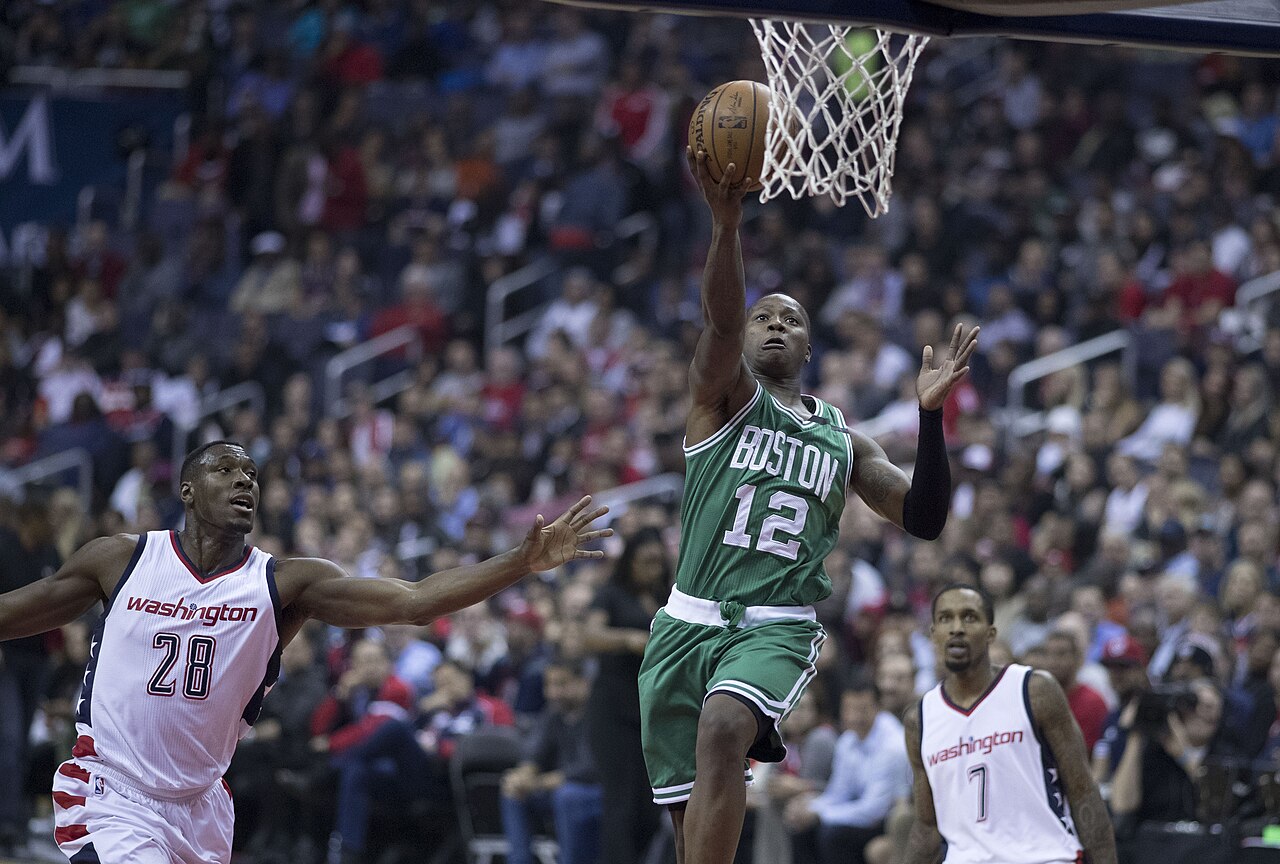
Gambling scandals shook US sports late last year, with MLB and UFC both involved in scandals of their own. However, the most high profile case involved the NBA, when Miami Heat guard Terry Rozier and Portland Trail Blazers coach Chauncey Billups were arrested.
Prosecutors have accused Rozier of helping rig player-prop bets by tipping off associates he would exit a Hornets game early in 2023, generating tens of thousands in illicit profits. Billups, meanwhile, is accused of participating in illegal poker games backed by organised crime.
Both men were placed on leave by the NBA and are subject to strict bail and travel restrictions, including bans on gambling activity.
The quick succession of these cases has highlighted how basketball can be particularly vulnerable to manipulation.
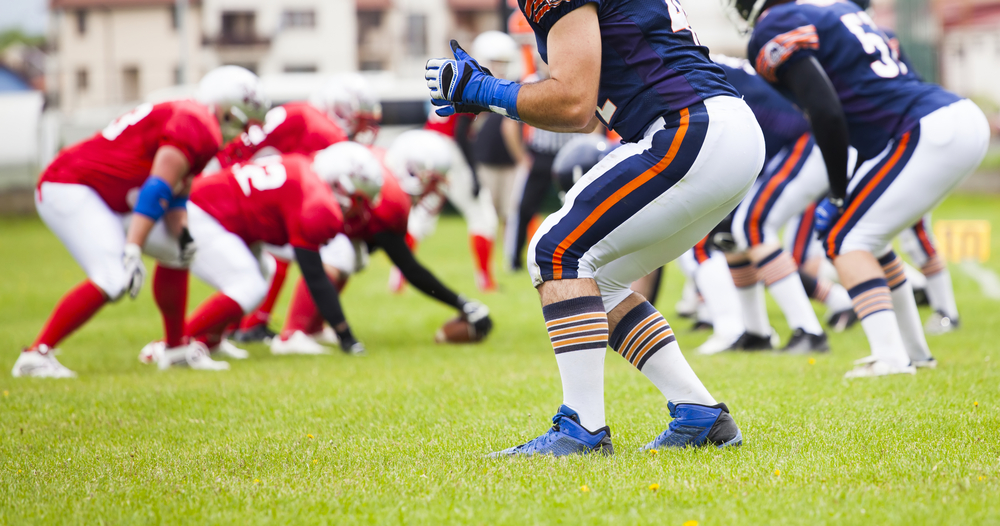
With only five players per team on the court at any time, a single compromised player can influence the flow of a game far more than in sports such as football. High scoring and frequent possessions also make it easier for subtle misplays, turnovers or slowed pacing to go unnoticed, while point spreads remain highly sensitive.
The NBA appears to recognise its vulnerability and has taken steps to strengthen safeguards. Policy reviews and internal investigations are underway, including a re-examination of injury-reporting rules, upgrades to integrity-monitoring systems and education for players and staff on the “dire risks” of gambling.