


When Formula E announced it had become the first sport to achieve B Corp certification, the headline risked sounding like just another sustainability milestone in an industry already crowded with pledges, pathways and performance targets. In reality, the decision is more structurally significant than most of the environmental announcements sport has produced in recent years.
B Corp certification is not a carbon label, nor a marketing framework. It is a governance standard which assesses how an organisation is run, how decisions are made, and how trade-offs between growth, impact and accountability are handled. For a global sports series to submit itself to that level of scrutiny is unusual.
For it to pass is rarer still.
Formula E’s leadership has been explicit that the certification is intended to “codify” its mission to make progress thrilling, rather than sit alongside it as a parallel sustainability initiative. Sport has become adept at presenting environmental ambition as an add-on; B Corp status, by contrast, asks whether sustainability is embedded into the business model itself.
What B Corp demands
B Corp certification is administered by B Lab, which evaluates organisations across governance, workers, community, environment and customers. Companies must meet a minimum verified score, amend legal commitments where required, and publish their impact performance. Re-certification is required every three years.
For consumer brands, this framework is now well understood but for sport, it presents a more complex challenge. Leagues and series sit at the centre of sprawling ecosystems which include teams, promoters, broadcasters, sponsors, host cities and logistics partners. This is why most sports sustainability strategies have focused on emissions accounting, offsetting, or high-profile partnerships, rather than organisational accountability.
B Corp certification shifts the emphasis away from what sport supports, and towards how it operates.
Formula E’s certification rested on factors including social and environmental standards at race events, community programmes in host cities, worker wellbeing strategies, and commitments to transparency. None of these elements are unique to Formula E but what is different is that they have been assessed as part of a single, organisation-wide framework.
Sustainability as product design
Formula E’s ability to pursue B Corp status is inseparable from how the series was conceived. Launched in 2014, it positioned itself from the outset as a response to climate change and urban mobility challenges, rather than as a conventional motorsport property with sustainability retrofitted later.
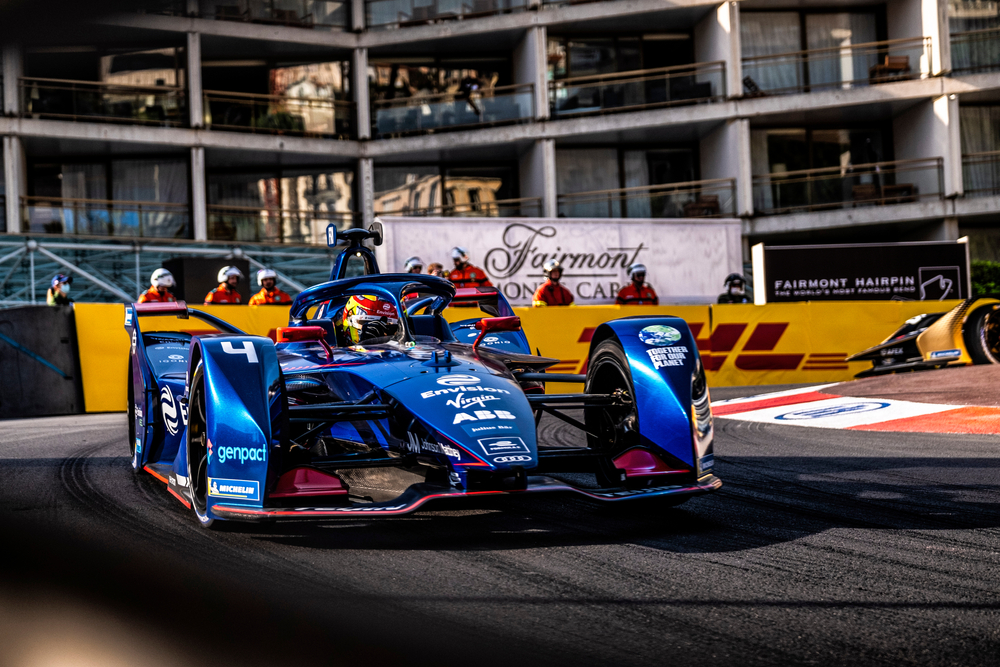
City-centre circuits were introduced not just for accessibility and spectacle, but to limit permanent infrastructure and bring racing closer to populations. The focus on electric powertrains was framed as a test bed for technologies with relevance beyond sport. More recently, the series has emphasised logistics planning and calendar design as levers for emissions reduction.
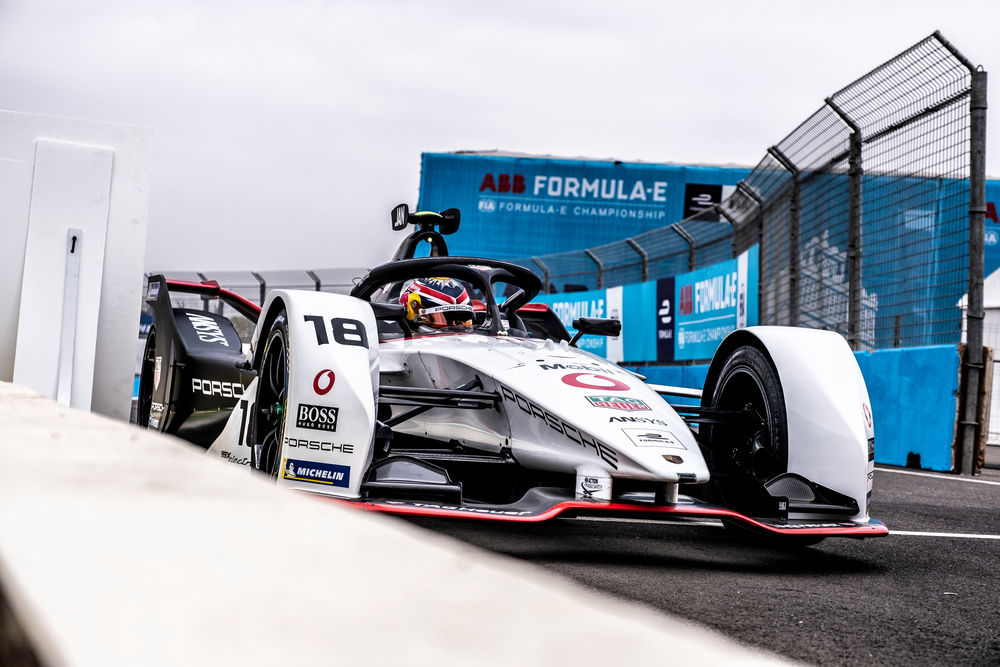
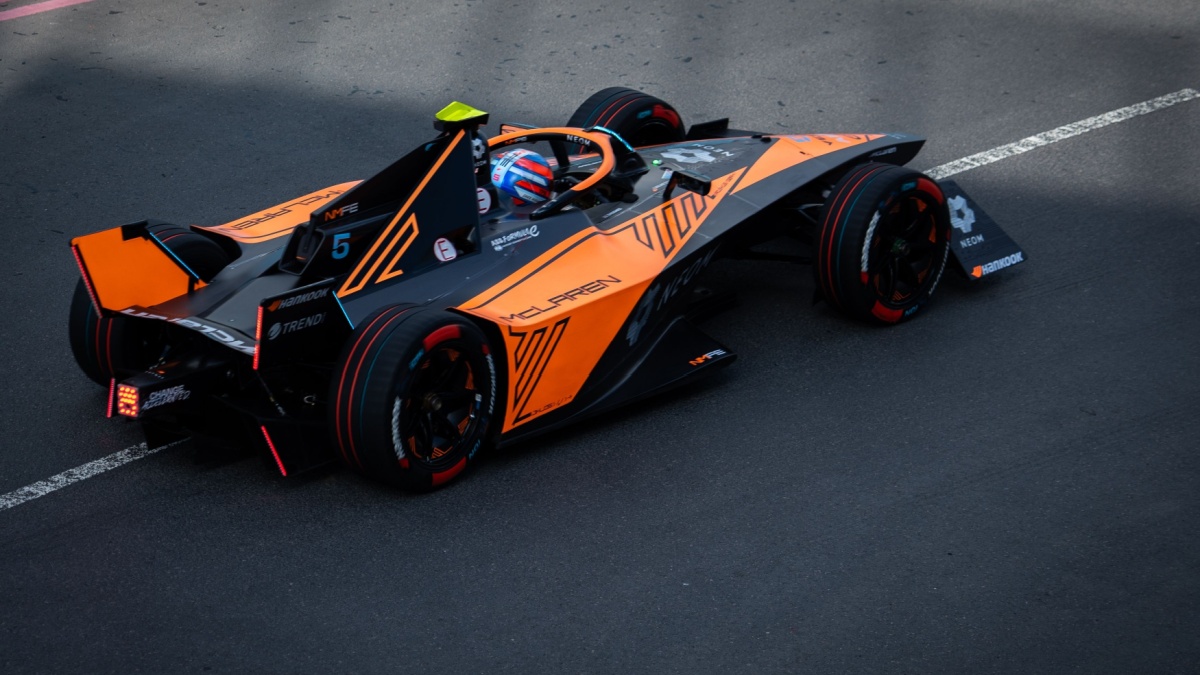
Formula E made the disclosure at the World Economic Forum, shortly after the global launch of its GEN4 car – a car designed for racing at 200mph with 100 percent recyclable construction and 20 percent recycled materials.
First mover, or structural outlier?
The more difficult question is whether Formula E’s B Corp status represents a blueprint for the wider sports industry, or an outlier enabled by unusually favourable conditions.
Most established sports were not built with climate considerations in mind. Global calendars rely on long-haul travel. Broadcast requirements drive scheduling decisions. Historic venues are energy intensive. Expansion strategies prioritise market growth over environmental efficiency.
This does not make sustainability impossible, but it does make governance-level certification far more challenging. B Corp status requires an organisation to demonstrate its decision-making structures align with its stated purpose. For sports whose commercial models depend on continual expansion, this alignment may be difficult to prove.
There are, however, signs that newer properties are watching closely. The UIM E1 World Championship, for example, has consistently positioned environmental stewardship as central to its identity, with a particular focus on marine ecosystems and electric propulsion. While E1 has not announced any move towards B Corp certification, its leadership has spoken publicly about embedding sustainability into operations rather than treating it as an external obligation.

Growth, scale and the limits of sustainability
One of the least discussed implications of B Corp certification is what it suggests about growth. The framework does not prohibit expansion, but it does require organisations to account for the impact of their decisions. In practice, this can force uncomfortable conversations about scale.
Sport has been conditioned to equate success with growth: more events, more markets, more inventory. Environmental commitments sit uneasily alongside that logic. Freight-heavy global tours, expanding calendars and carbon-intensive venues are difficult to reconcile with deep emissions reduction.
Formula E’s leadership has argued that sustainability can coexist with growth if the operating model is designed accordingly. Its calendar, for example, groups races by continent to reduce freight mileage, an approach highlighted by British Standards Institution when the series earned Net Zero Pathway certification.
Whether this model can be sustained at greater scale, or replicated by other sports, remains an open question. What B Corp certification does is make those trade-offs visible.
Climate change as operational risk, not reputational issue
Beyond certification frameworks, the wider context is becoming increasingly difficult for sport to ignore. Climate change is no longer an abstract future concern: it is already affecting scheduling, athlete welfare, infrastructure and insurance costs.
“Whether it’s the carbon footprint created through travel and supply chains, or energy, water consumption and waste generation at venues, organisations across the sports industry must identify their impact on the environment and take steps towards a more sustainable future,” says Emily Cromwell, sustainability and climate partner at Deloitte UK.
“This means embedding sustainability into their business plans and demonstrating innovation and commitment across all functions of the organisation.”
During the 2020 Australian Open, poor air quality caused by wildfires forced some tennis players to withdraw from the tournament. Similarly, the US Tennis Association introduced an ‘extreme heat policy’ after the 2018 US Open, to allow players periodic breaks during high temperatures.
More recently, during the 2024 UEFA European Football Championship in Germany, a game had to be suspended because of an intense thunderstorm with heavy rain, lightning and hail, while at the Copa América football tournament the same summer, a referee collapsed on the pitch in Kansas City, due to high heat and humidity.
And extreme heat doesn’t just affect summer sports. According to a 2022 study, half of the former Winter Olympic host cities could be unable to sponsor winter games by 2050, due to a lack of snow and ice.
In this environment, sustainability is shifting from a reputational issue to an operational one. Sports organisations are being forced to consider resilience and governance frameworks that integrate environmental risk into decision-making are becoming more relevant.
Another reason the certification matters is timing. Regulatory and stakeholder scrutiny of environmental claims is increasing across industries. Reporting requirements are tightening and freenwashing accusations are becoming more frequent. This has meant voluntary commitments without transparent accountability are losing credibility.
Formula E has previously positioned itself ahead of this curve, becoming the first sport to set Science Based Targets and to earn BSI Net Zero Pathway certification.
“The driving force for all sport is competition and showing this kind of good practice will only encourage competing teams, along with partners, fans and the wider industry to do the same. As well as there being a moral obligation to act, sustainability is now imperative to the success of all businesses, and collective action is key to helping the sports industry become environmentally and financially resilient,” says Cromwell.
It’s latest B Corp certification does not solve sport’s sustainability challenge but it does, however, remove a common excuse. The series has demonstrated a global sports property can submit itself to a governance framework which treats social and environmental impact as integral to business performance.