


The NFL is pushing the Super Bowl onto the global stage, but its international reach still sits behind the world’s biggest sports.
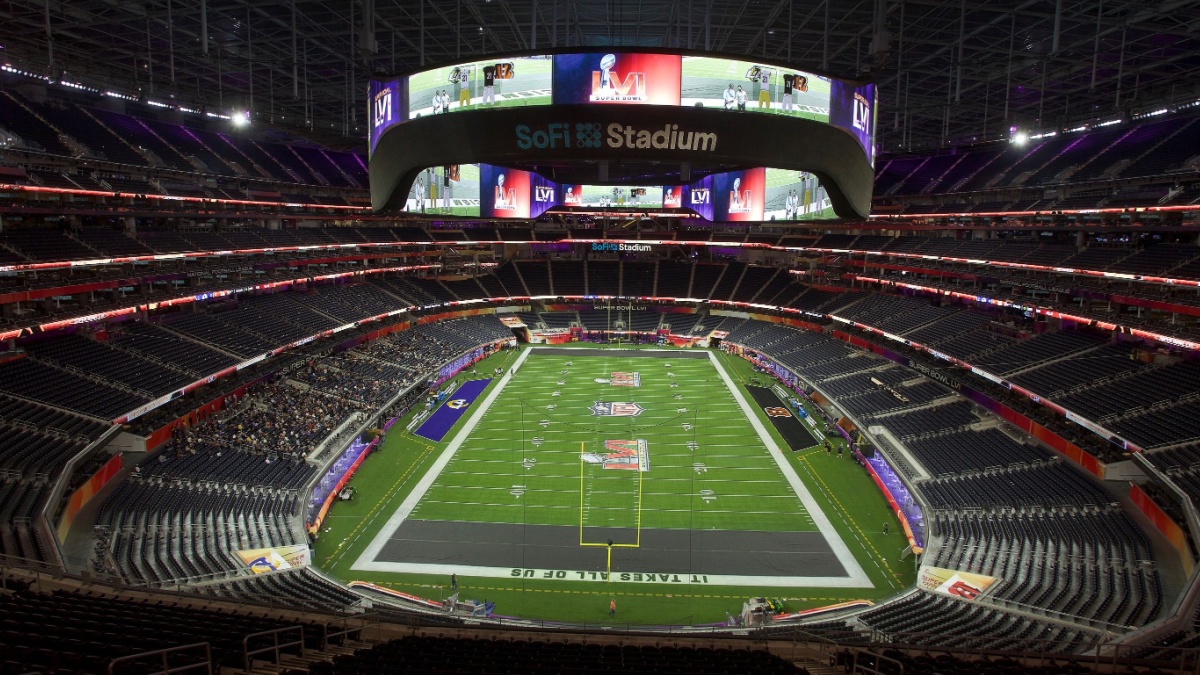
The National Football League (NFL) has revealed Super Bowl LX was the second-most-watched Super Bowl on record, beaten marginally by last year’s game.
The Seattle Seahawk‘s win over the New England Patriots on February 8 attracted an average audience of 124.9 million viewers, based on Nielsen’s Big Data + Panel measurement.
While it was a far more competitive game than last year’s one‑sided Philadelphia Eagles–Kansas City Chiefs matchup, it couldn’t quite achieve the 127.7 million viewers who tuned in for Super Bowl LIX.
The league still had plenty to celebrate, however. Viewership peaked at 137.8 million during the second quarter, the highest peak audience ever recorded for a US television broadcast.
The halftime show, led by Bad Bunny, averaged 128.2 million viewers, whereas an alternative stream, Turning Point USA’s Kid Rock halftime show, peaked at 5 million viewers on YouTube.
The Puerto Rican artist performed entirely in Spanish, which may help explain Telemundo’s record numbers. The network averaged 3.3 million viewers and peaked at 4.8 million during the halftime show, making it the most watched Spanish‑language Super Bowl.
Ahead of the game, the Insider Sport team published an in‑depth report examining the business behind the Super Bowl, including broadcasting, betting, advertising and hospitality.
Still just a domestic powerhouse?
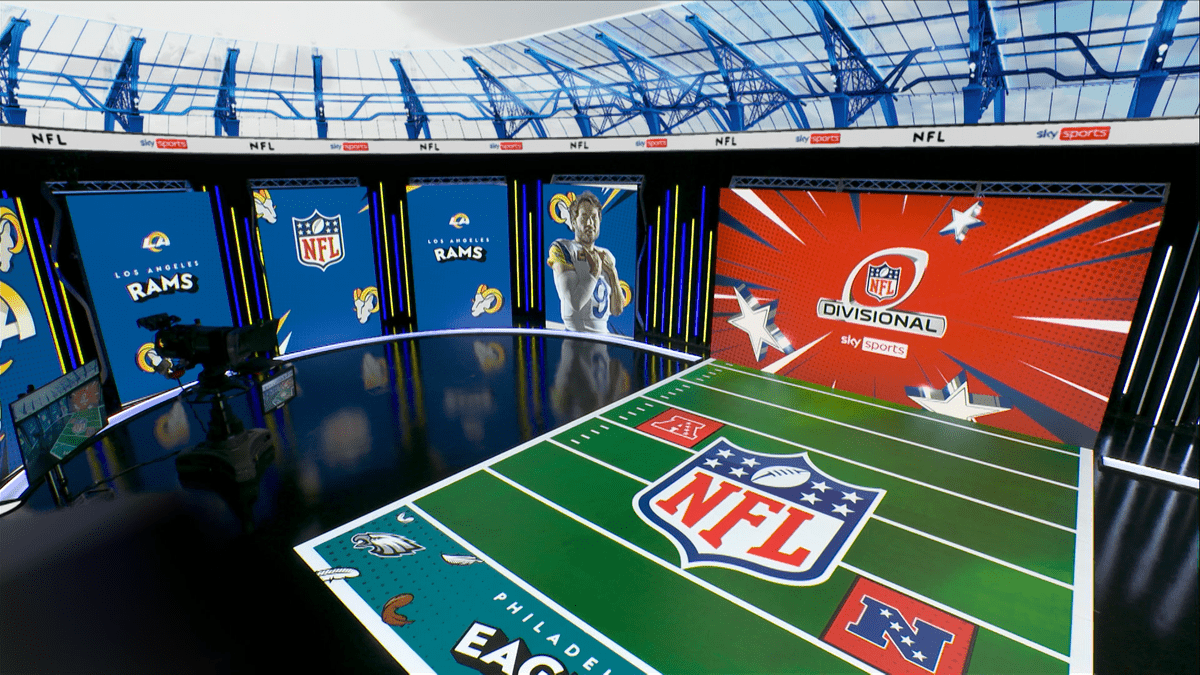
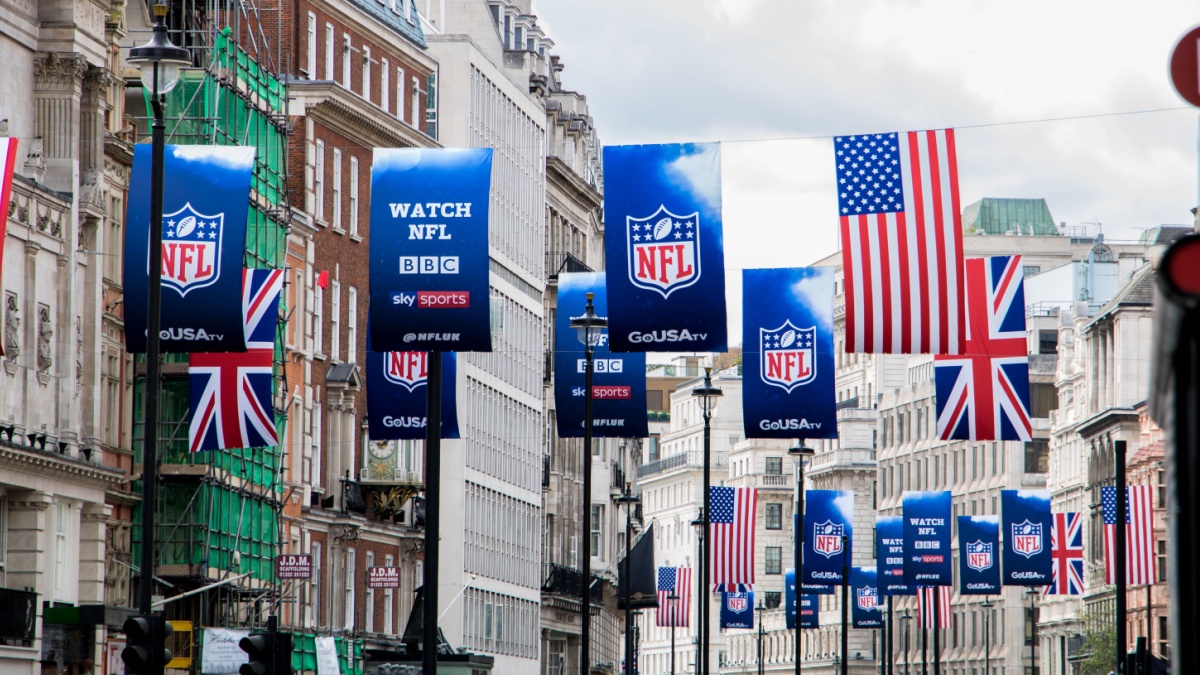
The NFL made a noticeable push this year for the Super Bowl to be seen as a global event. In Europe, the game aired on beIN Sports and free‑to‑air network M6 in France, RTL in Germany, Austria and Switzerland, and Sky Sports in the UK.
International figures have not yet been released, but early signs suggest improved numbers. Last year, the UK reported 3.4 million unique viewers, which was a 48% year‑on‑year increase.
Despite the generally positive figures, comparisons with other sports arrived almost immediately. This has become a noticeable tradition, especially on social media where fans of different sports like to point out American football’s laco of reach outside of its domestic market.
The Premier League, the world’s most‑watched league in the world’s most popular sport, is often used as the benchmark. Just hours before the Super Bowl, Liverpool hosted Manchester City.
Various figures circulated on social media, some claiming audiences in the hundreds of millions, but none have been formally verified. What the discussion did highlight, however, was the difference between the global pull of elite football and the more concentrated audience for American football.
While the gap is mostly factual, many stakeholders will understand American football is still a niche sport in most markets, with limited domestic leagues, fewer grassroots pathways and far less year‑round visibility.
As a result, the Super Bowl’s status as a cultural event, even with its halftime spectacle, celebrity appearances and high‑profile advertising, still resonates most strongly within the US.
The NFL’s international ambitions
The league is trying to gain more global influence. Laura Louisy, Senior Director of International Media Strategy and Business Development at the NFL, told Insider Sport ahead of the Super Bowl that next season will feature more regular‑season fixtures played abroad than ever before.
“Playing seven regular season international games in 2026 – the most on record – in five countries, will contribute to a growth in Super Bowl audiences as a result,” she said.
In addition to the games themselves, teams are also becoming more active overseas through the International Home Marketing Areas (IHMA) programme, which allows franchises to build commercial operations and fan‑engagement strategies in approved countries.
Germany has become one of the NFL’s strongest international markets alongside the UK, with the league estimating a fanbase of more than 20 million.
“We now have eight offices around the world — Australia, Brazil, Canada, China, Germany, Spain, Mexico and the UK — with teams dedicated to growing the NFL’s presence in those markets year‑round,” Louisy added.