










TV’s new deal brings UK horse racing to millions, but the sport faces falling attendances and ongoing tax uncertainties.
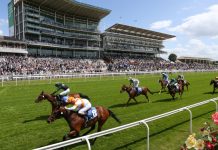
ITV will broadcast UK horse racing exclusively free-to-air from 2027 to 2030, covering 117 days of live action across ITV1, ITV4, STV and ITVX.
The agreement includes events such as the Randox Grand National, Royal Ascot, the Cheltenham Festival and the Betfred Derby.
“This is a vital deal for ITV Sport and UK horse racing, ensuring the very best fixtures across the UK are available free-to-air on ITV until 2030,” said Niall Sloane, ITV Director of Sport, said.
“We are proud to deliver so much live coverage of this incredible sport and would like to thank Racecourse Media Group, The Jockey Club, Arena Racing Company, Ascot Racecourse and our other partners, and we look forward to continuing our relationship for years to come.”
According to the broadcaster, ITV Horse Racing is enjoying its best-ever year on ITVX, with streams surpassing 15 million. The season has seen some of the sport’s biggest events draw strong audiences, highlighting a renewed appetite for racing on free-to-air television.
The Grand National alone attracted a peak of 5.2 million viewers, making it the broadcaster’s standout moment of the second quarter. Royal Ascot followed with five million tuning in across the five days and the final Saturday saw viewership rise by more than 20% compared with last year.
Meanwhile, The Cheltenham Festival achieved its highest peak audience in four years, with 1.8 million watching on the final day, and The Derby reached its largest audience in two years, peaking at 1.3 million.
Challenges for the sport
Against the backdrop of these record numbers for ITV, UK horse racing doesn’t look so pretty.
Attendance at major events have been shrinking, with the 2025 Cheltenham Festival recording its smallest Wednesday turnout since 1993, as just 41,949 spectators attended, a drop of nearly 5,000 on the previous year.
Similar declines were seen on other days, reflecting a trend of fans seeking more affordable ways to follow the sport. Rising costs for tickets, travel, accommodation and hospitality have pushed some to Spanish destinations like Benidorm and Tenerife, where they can still watch without the expense of attending in person.
Though fan engagement looks to be the least of horse racing’s concerns at the moment. The sport has been affected by ongoing debates over gambling taxation.
The British Horseracing Authority’s (BHA) ‘Axe the Racing Tax’ campaign has called for a lower, differentiated tax rate for horse racing, leading to a strike last month and the cancellation of some meetings.
The action drew criticism from bookmakers and the Betting and Gaming Council, who said they had not been consulted, while HM Treasury emphasised no immediate tax changes are planned.
Editor of SBC News, Ted Orme-Claye highlighted the potential pitfalls of the debate earlier this week, noting poorly planned higher taxes on the betting industry could end up hitting the wrong people and effectively tax problem gamblers.
He warns such measures might push bettors toward unregulated markets and he highlights contradictions in the discussion, with some calling for higher taxes on betting firms because of profits from problem gambling while questioning whether it is right for the government to rely on that revenue.
In this context, the ITV deal may offer a small ray of hope, but the wider picture for horse racing remains uncertain.