



Real-time data integration is transforming live sports and news broadcasts, enhancing audience engagement with instant insights and interactive experiences.
By: Divyajot Ahluwalia, Founder – Director, wTVision Solutions Pvt

Live sports has long served as a powerful medium for unifying people through shared emotional experiences. The collective anticipation, the palpable energy within a stadium, and the moments of triumph or heartbreak are all integral components of the experience. For a long time, broadcasters and production crews have tried to capture this energy and bring it to life for viewers outside the stadia.
Now, modern tech is helping them do this in new ways. These advancements aren’t taking away from the human side of sports; instead they’re actually making the qualities that make sports so captivating, even better.
Enhancing the Live Experience through Data and Emotion
Artificial intelligence is providing broadcasters with tools to interpret and represent sport more effectively. Today we have the ability to process massive amounts of live data – from player movements to crowd reactions, at incredible speed. This information goes far beyond simple statistics. It’s transformed into intuitive insights that add depth to the broadcast. Subtle shifts in the atmosphere, audience mood, and athlete behaviour are identified, analysed, and presented in accessible formats for viewers.
This capability is transforming how production teams tell stories. Instead of focusing solely on the score, broadcasts can now be informed by the emotional energy of the event. The atmosphere of a live crowd is often as telling as the game itself, from the silence before a decisive moment to the eruption of applause after a breakthrough or the relief that follows a close call. When producers are able to recognise these shifts, they can shape coverage in a way that captures both the action and the emotion, giving audiences a richer and more real experience.
These tools are meant to enhance, not replace, human expertise. The judgment of commentators, the creativity of editors, and the intuition of directors are still what make a broadcast great. What the technology provides is the power to process complex data in real time, enabling professionals to make sharper decisions and deliver coverage that captures the very essence of a live event
The Role of Robotics and Emotional Sensing
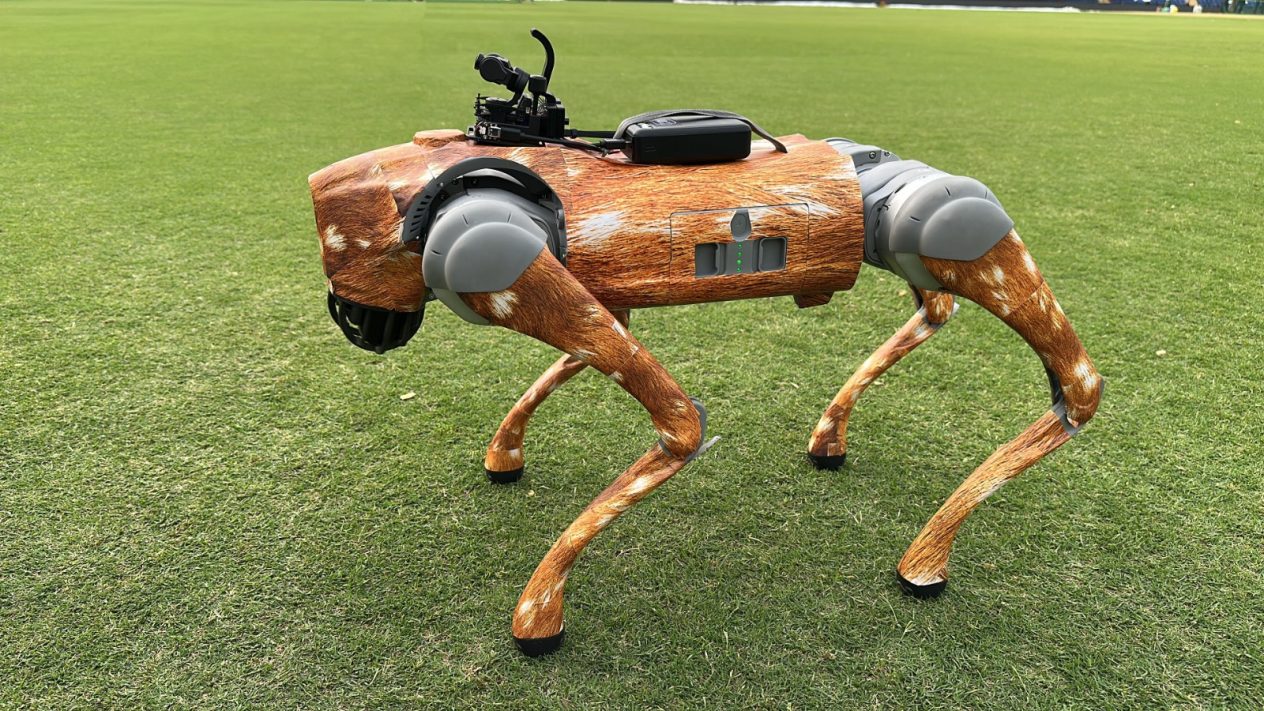
The application of emotional technology is not limited to data processing. Robotics is now playing a role in how broadcasters gather and interpret live reactions. WTVision’s robotic dog, Champak, is a striking example. Its presence allows it to interact naturally within the environment while collecting signals on crowd sentiment and behavioural changes.
When broadcasters pay close attention to what’s happening on the field and how the crowd is reacting, they can tell a much richer story. This approach stands out because it combines fresh thinking with real- time awareness. Emotional technology, if used with care, isn’t there to control the game or force reactions. It’s simply a tool to help broadcasters notice and highlight the genuine emotions that come through.
This approach preserves the raw, unpredictable nature of live sports while providing viewers with a clearer understanding of the action.
Conclusion
The use of artificial intelligence and emotional technology in sports production is a major step forward. By turning complex data into meaningful insights, technology is helping broadcasters mirror the emotional attributes of the game. Innovations like WTVision’s robotic dog, Champak, give production teams the ability not only to capture authentic reactions and weave them into stories but also contribute and amplify the audience engagement, like never before.
As with any new development, responsibility must stay at the centre. Protecting privacy, being open about its use and maintaining respect for the human side of sport are vital. When used with care, these technologies do not diminish the role of people in sports broadcasting. On the contrary, they provide professionals with more effective tools to highlight the qualities that make live sport unique.
Ultimately, AI and emotional technology are not about transforming sport into a technical exercise. They are about helping broadcasters and audiences engage more deeply with its most enduring feature: the ability to connect people through shared emotion.