


As brands rethink how value is generated around mega-events, Samsung’s expanded athlete programme ahead of Milano Cortina 2026 points to a broader move away from Games-time visibility and towards sustained engagement built on authenticity, creator-led content and long-term narrative.
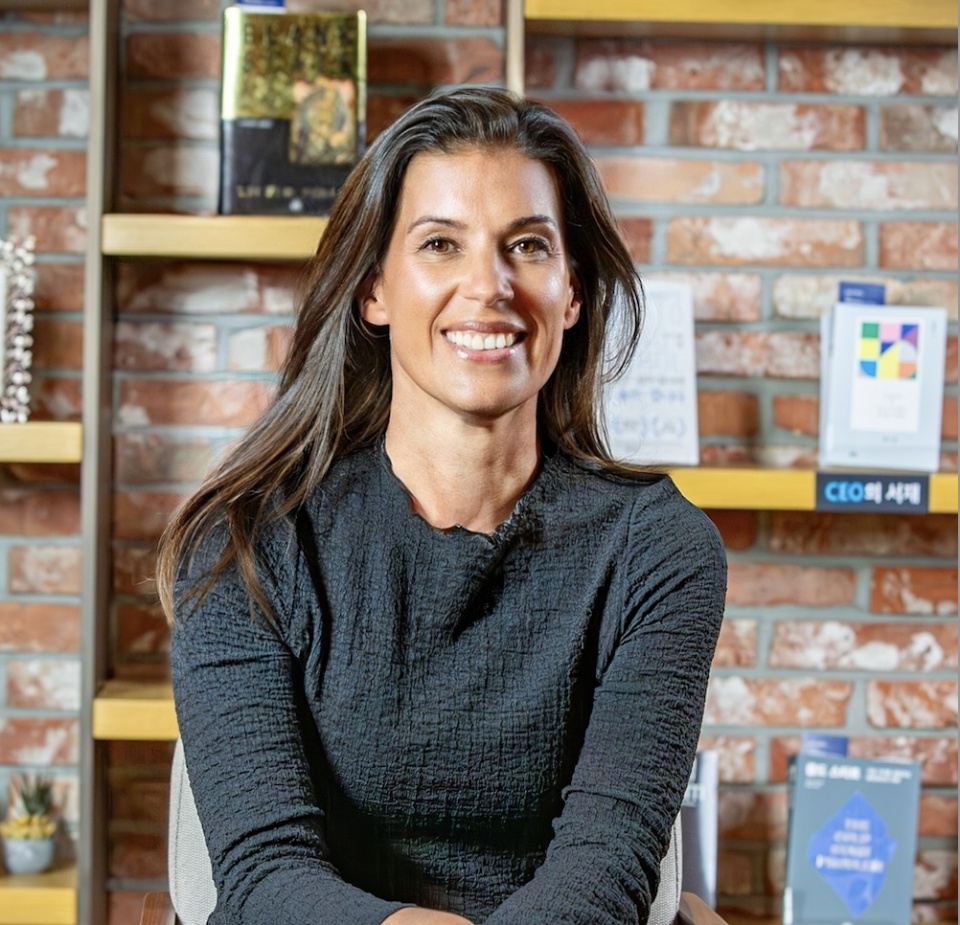
Samsung’s decision to build a year-round, athlete-led sponsorship strategy ahead of the Milano Cortina 2026 reflects a broader recalibration of how brands measure value around mega-events, according to Annika Bizon, Vice President of Product and Marketing for Mobile Experience at Samsung UK and Ireland.
Speaking to Insider Sport, Bizon says the shift away from a Games-time focus was driven by changes in how audiences engage with elite sport, with fans increasingly following athletes continuously rather than tuning in solely for medal moments.
“The Olympic and Paralympic Games aren’t just a few weeks of events, they’re the culmination of years of commitment, resilience and personal sacrifice,” Bizon explains. “We know that fans don’t just connect with podium moments, they connect with the journey behind them.”
On January 8, Samsung unveiled a 68-athlete global roster spanning nine winter sports and 17 countries, significantly expanding the scale of its athlete partnerships in the run-up to Milano Cortina 2026. The idea behind the initiative is to extend Olympic sponsorship beyond visibility during competition and towards sustained engagement across the full Olympic cycle.
For Samsung, Bizon says, a year-round approach better reflects how sport is now consumed. “People follow athletes continuously, emotionally and through stories that unfold long before the Opening Ceremony,” she says, adding this allows the brand to support athletes in a more meaningful way while giving fans greater insight into what high-performance sport actually entails.
Storytelling over spectacle
The roster’s strong emphasis on freestyle and action-led disciplines such as snowboarding and freestyle skiing is also telling. While these sports skew younger demographically, Bizon frames the decision around how athletes in these disciplines naturally communicate.
“Freestyle and action-led athletes are storytellers by nature,” she says. “They film their process, share their creativity and even their setbacks in a way that feels open, honest and instinctive.”
From a sponsorship perspective, this reflects a growing recognition that athletes’ ability to document and narrate their own journeys has become as valuable as competitive success. For brands, those storytelling instincts offer authenticity which traditional campaigns struggle to replicate.
Samsung’s approach also places unusual emphasis on creative autonomy. Bizon was clea the company has no intention of tightly scripting athlete output. “Our role isn’t to script their stories, but to support them with the right technology and give them a platform to tell those stories in their own voice,” she says.
Rather than focusing on polished highlight content, the strategy prioritises everyday moments, training setbacks and long development arcs. “It is the narrative of resilience, rather than the final trophy, that truly resonates with audiences,” Bizon adds.
One roster, one narrative
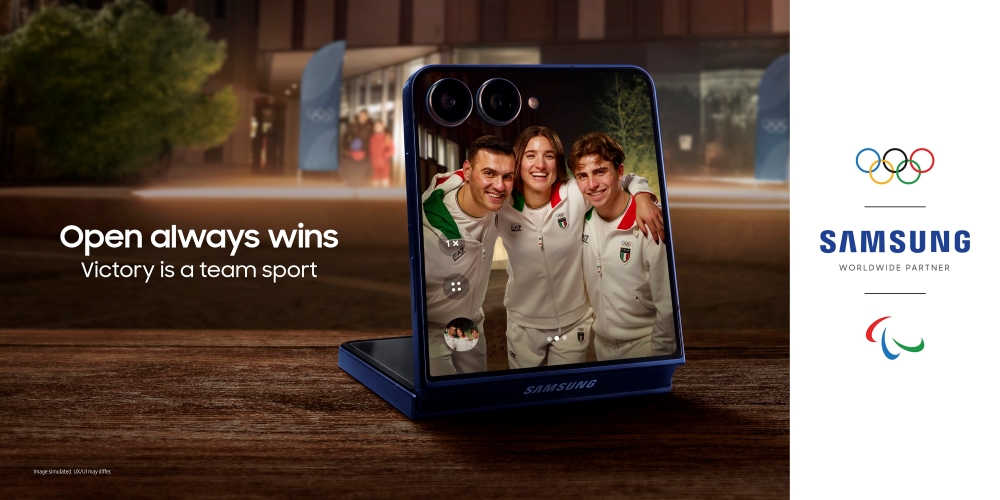
Another notable element of Samsung’s activation is the decision to integrate Olympic and Paralympic athletes within a single programme, rather than running parallel campaigns.
“For us, this wasn’t a question of inclusion as a separate initiative,” Bizon explains. “Paralympic athletes are elite athletes and they belong as part of the story.”
That choice aligns with a wider push within the Olympic Movement towards parity in representation, but it also simplifies the commercial narrative for sponsors seeking coherence rather than segmentation. “The Games are richer when we reflect the full spectrum of human experience,” Bizon adds
As brands reassess how they activate around major sporting events, Samsung’s strategy points to a more structural shift in Olympic sponsorship. Rather than concentrating investment around a fixed broadcast window, the focus is moving upstream, towards athletes as long-term storytellers and sponsorships as ongoing content platforms.