


F1 is searching for balance as its push toward sustainability collides with racing and fan expectations.
Formula 1 (F1) has signed off on a 2027 power‑unit change in a bid to boost internal combustion engine (ICE) output and scale back electric deployment.
The decision, taken after an online meeting between the FIA, F1 leadership, and engine suppliers, will move the hybrid power split away from the planned 50‑50 balance for 2026 towards a 60‑40 ratio in favour of the ICE for 2027.
Under the agreed measures, the ICE will see a power increase of approximately 50kW, supported by a fuel-flow increase, whereas the Energy Recovery System (ERS) deployment will be reduced by around 50kW.
“Turning to the longer-term refinement of the regulations, it was agreed in principle to introduce evolutionary changes to the rules regarding hardware components, making competition safer, fairer and more intuitive for drivers and teams,” read an FIA statement.
The changes are likely a reaction to criticism from fans and some within the paddock, who have been unhappy with how the new 2026 rules have played out at the start of the season.
Early races have highlighted how the heavy reliance on electrical power can create speed drops, long periods of lift‑and‑coast ,and a style of racing that feels overly managed.
The FIA tried to ease these issues with the “Miami package”, a set of software adjustments designed to reduce extreme energy harvesting and smooth out performance across the lap.
A season of new rules
The 2026 season hasn’t been smooth by any means, with disruption in the Middle East and a plethora of technical rules introduced.
In addition to the hybrid overhaul, the FIA also introduced one of the most significant fuel rule changes in the sport’s history.

For the first time, every team must run on fully sustainable fuel that meets demanding lifecycle‑emissions criteria. This has forced suppliers to rethink how performance is generated.
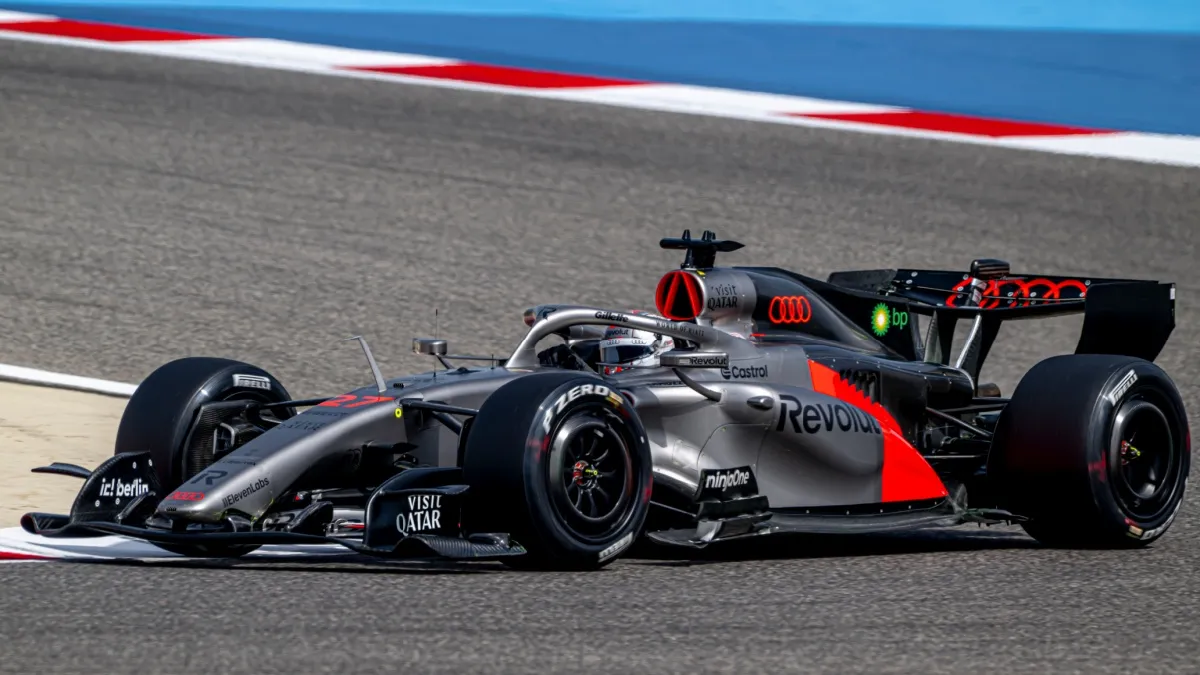
It has also made fuel development a battleground for 2026. As Insider Sport heard in our interview with bp’s Luc Jolly, creating a high‑performance, fully sustainable fuel has required hundreds of test blends and close co‑development with Audi.
“For 2026, an enhanced challenge was to optimise the blend for maximum performance while also meeting demanding new sustainability requirements,” said Jolly.
“This placed a greater emphasis on raw material access, production processes, and alternative chemistry – all of which required very creative thinking.”
F1 needs to find the right balance
While many of the new rules were introduced with sustainability in mind, they’ve also created some unintended consequences. One of the biggest is a tear in the supporter base between new and legacy fans.
Critics, including three‑time champion Max Verstappen, warned that the 50‑50 hybrid split risked turning races into a “battery world championship,” with drivers managing energy rather than racing flat‑out.
This results in a rise in overtakes because cars lose speed at different points of the lap when they harvest energy. Following this season’s opener in Australia, F1 announced there were 120 overtakes, up from 45 the year before.
This increase helps F1 appeal to newer audiences, especially those coming in through the recent F1 movie or Drive to Survive series, who were likely sold on the excitement and unpredictability of the sport.
However, legacy fans have stressed that they prefer racing that feels natural, and where overtakes come from skill and pressure.