


A Norwegian contamination case is fuelling demands to update anti-doping rules at the same time the Enhanced Games is pushing ahead with a model which openly embraces performance enhancement.
Calls for anti-doping rules to change are growing in Norwegian football, while the Enhanced Games, which promotes events where performance enhancing drugs are permitted, is preparing to offer its own enhancements to the public.
An anti-doping investigation involving Norwegian players left officials baffled and has now formed the foundation in arguments that World Anti-Doping Agency (WADA) rules need updating.
When four players from each team in the match between Vålerenga and LSK Kvinner at LSK-Hallen in Lillestrøm tested positive for traces of the prohibited stimulant 1,3-dimethylbutylamine (DMBA), everyone involved was confused.
The situation escalated after one Vålerenga player returned a result above WADAs 50 ng per ml reporting threshold, as reported by The Guardian.
The seven-month process affected the player’s performances, but investigators finally made a breakthrough in July 2025. Tests on material and water inside LSK-Hallen showed shredded tyre granules had broken down and released DMBA, which was then transferred to players during the game.
The player was cleared of fault or negligence, closing what appears to be the first known case in sport where environmental exposure created the appearance of a violation. Vålerenga has since argued this shows WADAs rules are outdated.
The club’s concern centres on WADAs principle that intent or fault does not need to be proven for a violation to be recorded. The ruling states: “It is not necessary that intent, fault, negligence or knowing use on the athlete’s part be demonstrated in order to establish an anti-doping violation.”
Enhanced Games enters phase two
While Vålerenga pushes for rule changes to avoid penalising innocent athletes, the Enhanced Games has moved in the opposite direction by openly allowing performance enhancing drugs.
It has just listed on the Nasdaq stock exchange and is beginning to launch a direct to consumer business built around performance products.
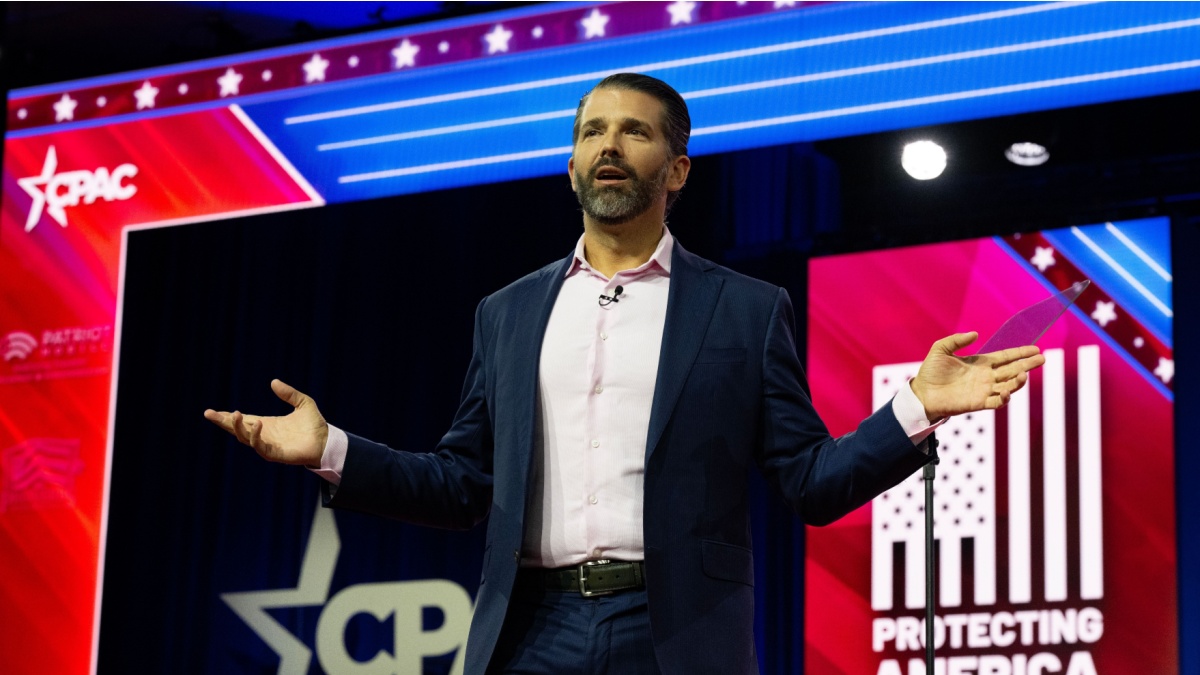
The upcoming Enhanced Games removes anti-doping restrictions and positions itself as a science-driven alternative to traditional sport. Its concept has been highly controversial.
Enhanced Games, founded by Aron D’Souza, recently filed an $800m lawsuit against several international sporting bodies, including World Aquatics and WADA, over a ban preventing athletes from competing in its competitions.
The organisation claims organisations like World Aquatics are not protecting athletes from their non-doping games, but “protecting a monopoly”.
The Enhanced Games is seeking upwards of $800m in compensation and “injunctive relief” as it claims sporting and anti-doping agencies are running “illegal campaigns” to incentivise its athletes to boycott its events.
D’Souza is used to criticism, particularly from USADA. Its CEO Travis Tygart has dismissed the entire organisation as a dangerous clown show. In comments shared exclusively with Insider Sport, D’Souza argued these comments are designed to deflect attention from the agencies’ own systematic failures.
More debate is expected after the organisation’s next phase of activity. It has begun offering a product called ‘The Enhanced TRT Protocol’, promoted with the line: “For those who refuse to feel average.” The service is testosterone replacement therapy, which is banned by WADA because testosterone is classified as an anabolic agent.
D’Souza first revealed this direction to Insider Sport in April, saying the organisation intends to build a commercial model rooted in pharmaceuticals and science. He said they are unlocking a whole new sponsorship category because biotech, pharma and healthcare rarely advertise in sports when science is not allowed on the field.
He also hinted the Enhanced Games would eventually offer performance enhancing drugs to the public and refine them alongside its sporting events.
In May, D’Souza told Insider Sport: “We welcome a serious, public discussion on the future of sport, science, and integrity – anytime, anywhere. We’re ready to have that conversation. Are they?”