

Search
Choose a style
Dark
Light
Features
BREAKING
Features
Time to read: min
Sideline Moves - Arsenal to cut 60 jobs amid new Arteta deal
October 16, 2026

BREAKING
Features
Time to read: min
New Paramount-Warner Bros deal creates $55bn sports conglomerate
October 7, 2026
BREAKING
Basketball
Time to read: min
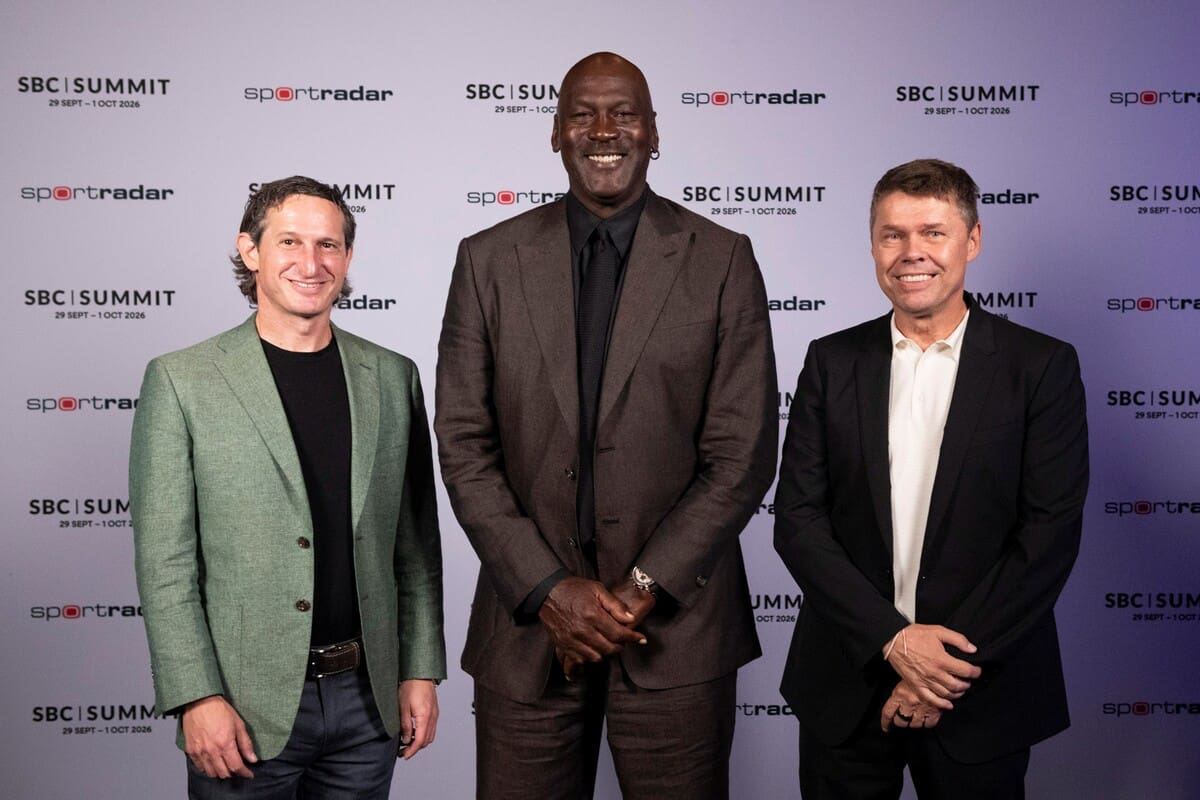
SBC Summit: Michael Jordan on sport branding, NASCAR, and more
September 29, 2026

BREAKING
Features
Time to read: min
Manchester City found guilty of almost 115 Premier League financial breaches
September 25, 2026
BREAKING
Asia
Time to read: min
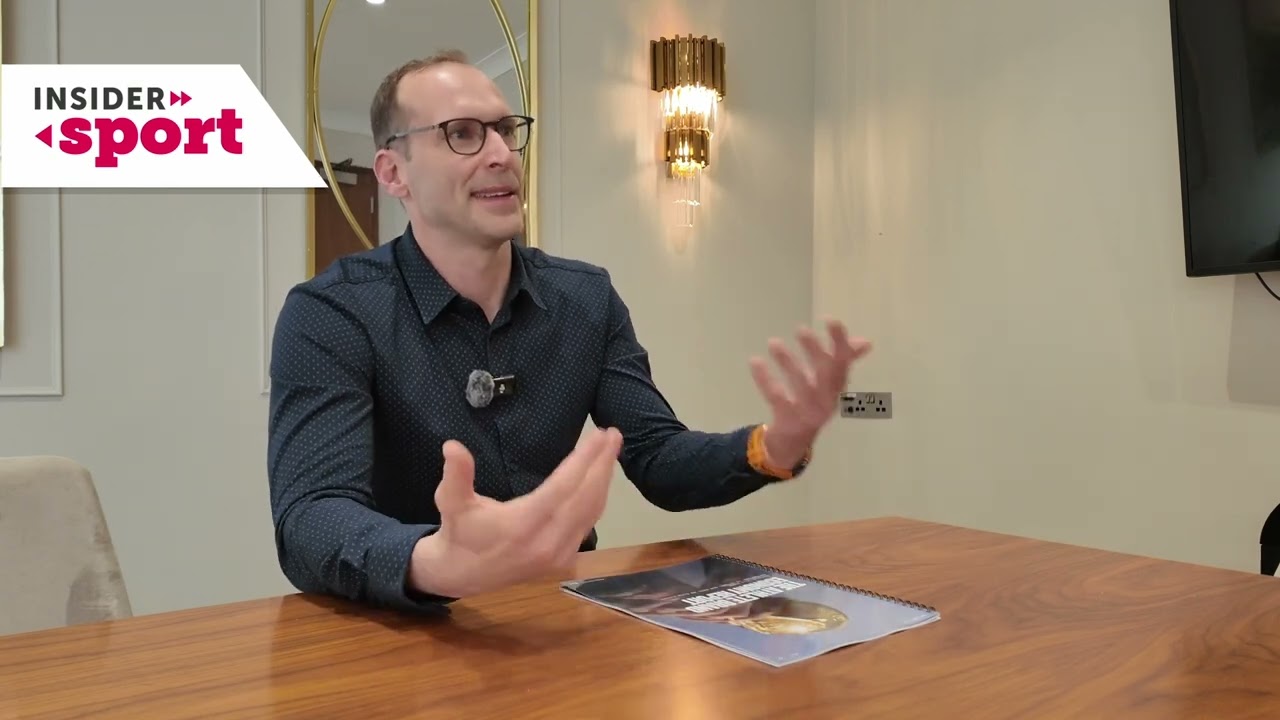
Petr Čech: 'You can tell' when athlete branding goes wrong
April 24, 2026
BREAKING
Features & Analysis
Time to read: min
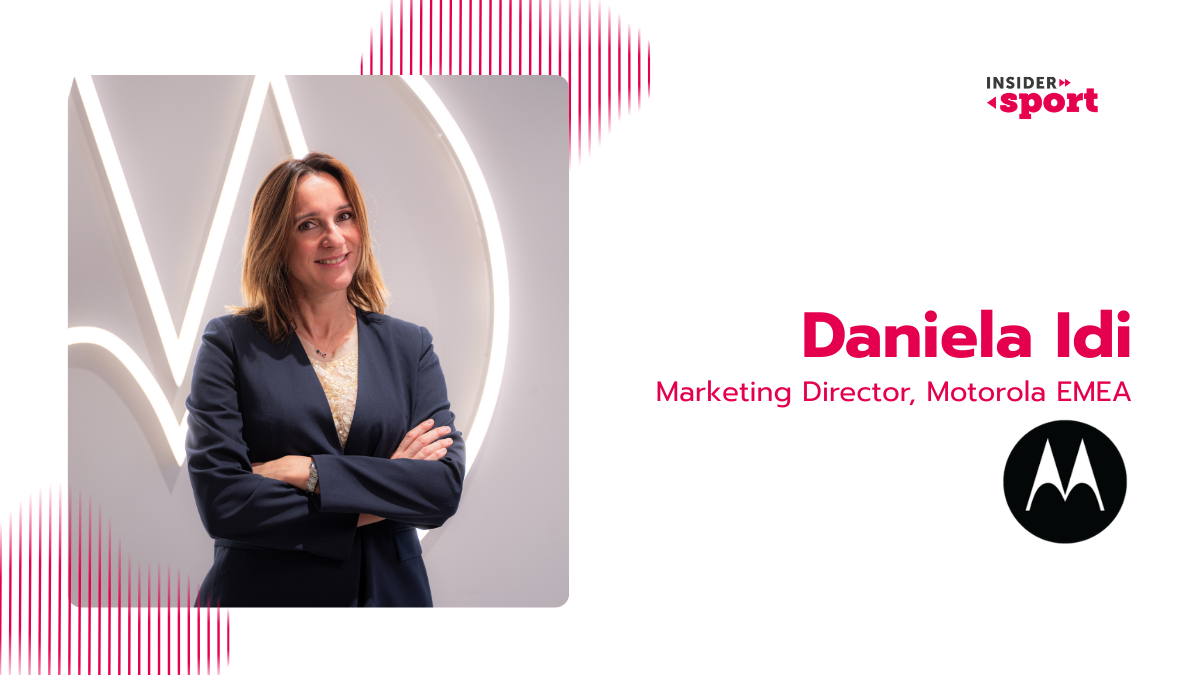
How Motorola is positioning for a tech‑driven World Cup
February 16, 2026
BREAKING
Fan Engagement
Time to read: min
Why FIFA is betting on TikTok for its biggest World Cup yet
January 9, 2026

BREAKING
Fan Engagement
Time to read: min
Place your bets: World Cup 2026 fans ready to bet despite low confidence
December 4, 2025
BREAKING
Europe
Time to read: min
Liverpool partners with Ladbrokes in Premier League’s latest betting deal
August 23, 2024
BREAKING
Football
Time to read: min
Iran seeks Mexico switch for World Cup fixtures
March 17, 2026

BREAKING
Features
Time to read: min
Sideline Moves: Leadership changes hit Newcastle United
November 7, 2025
BREAKING
Europe
Time to read: min
DAZN’s football remit widens again with 2025 Club World Cup
December 5, 2024
Kansas City bets on affordability to make its World Cup mark
You’ve shared it!
As FIFA World Cup 2026 approaches, Kansas City’s organising committee is positioning transit access and civic identity as central pillars of its tournament strategy
With just weeks to go before the first ball is kicked at the 2026 FIFA World Cup, Kansas City 2026 is moving through its final preparations both logistically, and in its bid to put Kansas firmly on the US map. The city – which is the smallest host market across all North American venues – is shaping its strategy for how it prices its transit to how it pitches itself to the world.
Speaking to Insider Sport as part of a media roundtable, Pam Kramer, CEO of the Kansas City 2026 Host Committee, outlined the transit framework the city has spent more than two years developing.
Three tiers of service will cover the tournament period:
The KC Streetcar, recently expanded, will also run free along its route from the riverfront to Country Club Plaza.
Kansas City: Keeping it affordable
None of these offerings come at the premium pricing seen elsewhere. With some host cities pointing to rail fares in excess of $150, such as New Jersey, Kansas City has gone the other way – and Kramer says this reflects how the city wants to present itself.
“We want people to know what life is like on a daily basis here in Kansas City,” she said. “It is a really easy place to live, a very affordable place to live.”
The streetcar has operated fare-free as standard, and KC ATA – the city’s transit authority – has been running without fares as a matter of course, with modest charges only recently introduced.
The committee moved early on procurement to make the numbers work, securing 225 leased buses at favourable rates and drawing funding from a broad coalition of municipal, state, and private backers – Kansas City, Johnson County, the states of Missouri and Kansas, and a network of corporate champions.
“We want to be good stewards of that money,” Kramer said, “and we want local people to use the service too.” The hope is that visitors who take public transit for the first time during the tournament and find it reliable might carry that habit beyond it.
Are there issues with hotel demand?
Survey data circulating ahead of the tournament, such as the AHLA’s findings that 80% of hotel bookings are currently below expectations for the 11 US host cities, have made the headlines recently. It’s a dynamic attributed in part to FIFA’s block-booking arrangements unwinding.
Kramer acknowledged the data point but pushed back on the overall read, claiming air demand into Kansas City is running 32% above prior-year figures in July and approaching 50% in June.
She says short-term rental supply has expanded considerably too, and FIFA’s own data – limited in what it shares with host committees – indicates all Kansas City matches will sell out.
“We want to make sure that hotels have the same information we do, so that they can respond,” she said, adding that knockout-round bookings were expected to move later given the uncertainty around which nations would be playing.
Beyond the tournament
For Kansas City, filling hotels is only part of the calculation. KCHouse – a three-floor invitation-only venue on the Country Club Plaza, featuring exhibition space, private meeting rooms, a thought leadership stage and a rooftop terrace – is designed to run as a B2B hospitality and business-attraction platform throughout the tournament.
Kramer described it as “our handshake to the world,” with embassies, investors, and business delegations among the expected attendees. A Netherlands delegation focused on sports innovation visited three weeks before the roundtable, with local investors convened in response. “Those are the kinds of conversations we think KC House can be a launching pad for,” she said.
Hospitality initiatives all feed into a longer view of what the tournament could mean for the city.
“It’s brand building – that’s the first piece of it,” Kramer said. “The second piece is the immediate tourism impact, and perhaps return tourism impact. And then the third is the sustained and long-term impact.”
She references Atlanta as her north star, a city which grew in reputation after hosting the 1996 Olympic Games. “Years later, Atlanta remains on many lists for hosting big events,” Kramer says. “I think Kansas City can get there as well.”