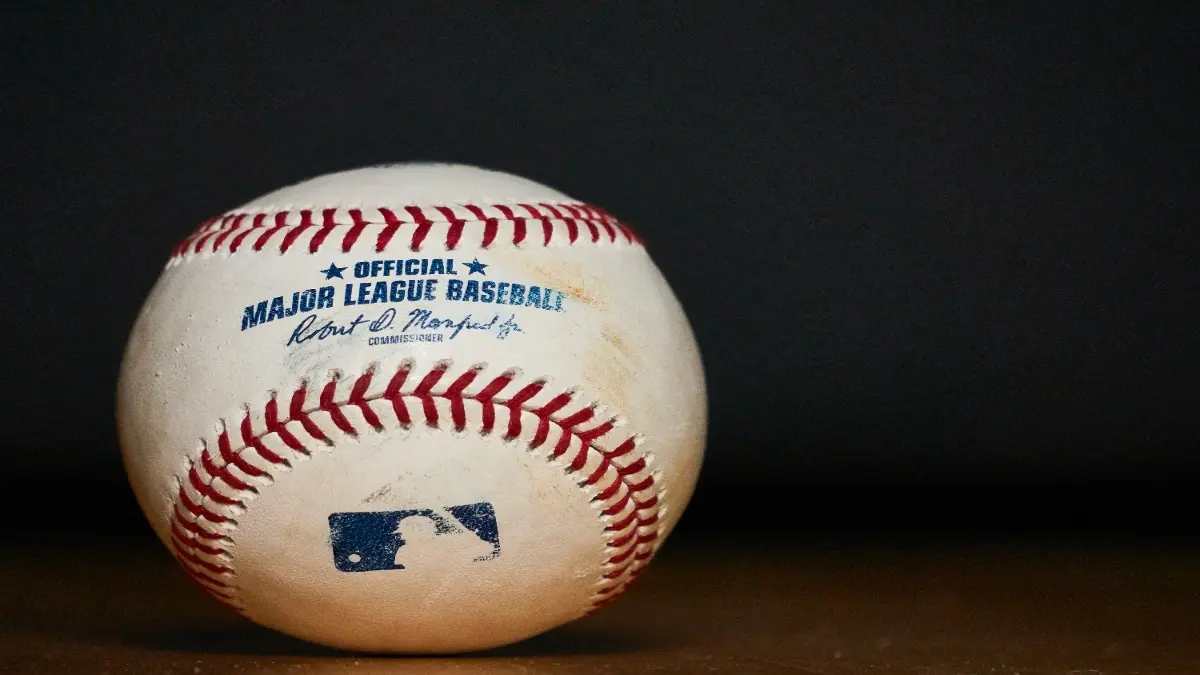



Major League Baseball is turning to technology for its most contested calls, introducing a robot-assisted challenge system that blends accuracy with tradition.
Major League Baseball has confirmed robot umpires will formally make their debut in 2026, but not in the way many had imagined.
Rather than removing human officials from the plate entirely, the league has opted for a hybrid approach, introducing an Automated Ball-Strike (ABS) challenge system across all games.
From the start of the 2026 season, pitchers, batters and catchers will be able to challenge ball and strike calls using Hawk-Eye technology. Each team will begin with two challenges per game, retaining them if successful. Extra innings will offer additional opportunities.
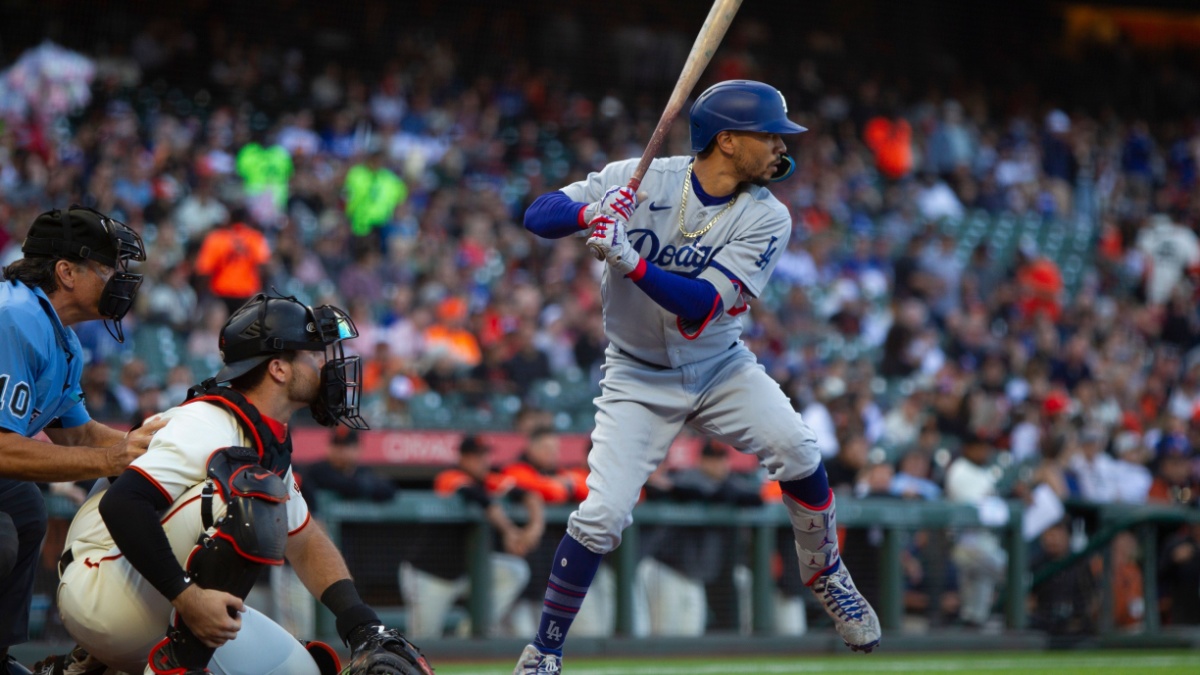
The home-plate umpire will remain central to the game, making the initial call on every pitch. However, disputed calls will now be reviewed instantly, with graphics shown on in-stadium video boards and TV broadcasts to confirm whether the ball crossed the customised strike zone.
Why MLB is making the change
The league has spent years experimenting with fully automated umpiring in the minor leagues, as well as during Spring Training and the 2025 All-Star Game. The challenge model is seen as a compromise that maintains the tradition of human officiating while addressing frustration over missed calls.
Strike zones have long been among baseball’s most debated features, with managers, players and fans often critical of inconsistent interpretations between umpires. By layering technology onto the process rather than replacing umpires altogether, MLB hopes to ensure accuracy while preserving a degree of human oversight.
The decision also reflects broader trends in fan engagement. Younger audiences expect transparency and precision, and MLB is conscious that errors replayed endlessly on social media can undermine the credibility of results.
The debate around the suitability of robot umpires has been rippling through the upper echelons of the sport for a while. Calls for automation intensified during the 2010s as broadcast graphics highlighted perceived errors in real time. By 2019, the Atlantic League was trialling the ABS system.
For a sport deeply rooted in tradition, the adoption of the new technology is arguably one of the most significant rule innovations since the introduction of instant replay reviews in 2008. While those reviews focused on boundary calls, fair or foul decisions, and home run verification, the sport is now extending the technology into the strike zone.
Time to adapt
MLB is not alone in grappling with how far to automate officiating. Tennis pioneered Hawk-Eye line-calling nearly two decades ago, eventually phasing out line judges in favour of full automation at events such as the Australian Open.
Cricket adopted a hybrid approach, with Hawk-Eye ball-tracking used for umpire decision reviews but not replacing on-field officials.
Football has also embraced semi-automated systems, with goal-line technology becoming standard across elite competitions and FIFA introducing semi-automated offside detection at the 2022 World Cup.
In each case, governing bodies balanced the need for fairness and accuracy with the traditions and flow of the game. Baseball’s hybrid ABS system is consistent with this incremental approach, offering a safeguard without undermining the human presence central to the sport’s identity.
The success of the ABS system will hinge on how seamlessly challenges are integrated into the pace of play and whether they quell longstanding frustrations about umpiring accuracy.
If the league can convince players, coaches and fans that robot umpires enhance rather than erode the sport, baseball may join tennis and cricket as another example of technology redefining the authority of the official – without eliminating the human element altogether.